The post 13 Best Weight-Loss Snacks You Can Eat appeared first on Eat This Not That.
]]>The key is to focus on nutrient-dense snacks that are high in fiber and protein while being relatively low in calories. This combination helps keep you feeling full and satisfied, making it easier to maintain a healthy calorie deficit and support your weight loss goals.
If shedding pounds is your goal, it’s also helpful to limit added sugars and empty calories. Foods and drinks high in added sugar or saturated fat not only provide empty calories but can also slow your weight loss and contribute to body fat. Added sugars are common in condiments, snack foods, and drinks, while saturated fats are often found in products made with butter, cream, and fatty meats.
To help you stay on track and satisfied throughout the day, here are 13 of the best snacks for healthy weight loss. And if you want some prepared options, don’t miss these 50 Healthy Snacks to Buy for Weight Loss.
Apple with nut butter
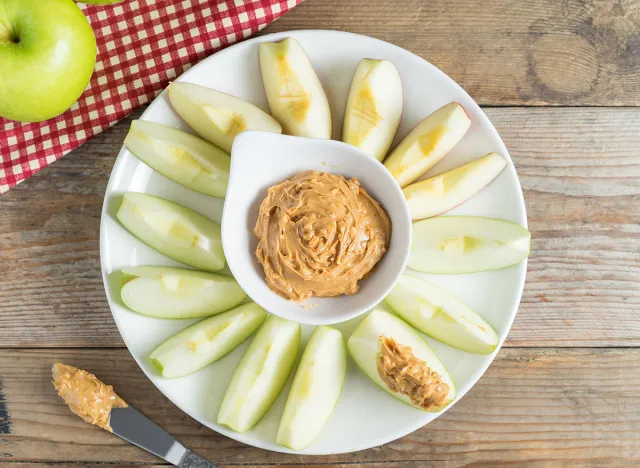
Not only can the natural sweetness of an apple satisfy a sweet tooth, but it will also provide fiber and a slew of vitamins and minerals. One medium apple provides about 4 grams of fiber, helping keep you full between meals. An apple is a good snack option on its own, but when paired with nut butter, this snack may be even more beneficial for weight loss. The healthy fats, protein, and fiber in nut butter, like peanut and almond, make this an even more filling snack while adding delicious flavor.
RELATED: 60 Healthy Snack Ideas That Keep You Full
Carrots and hummus
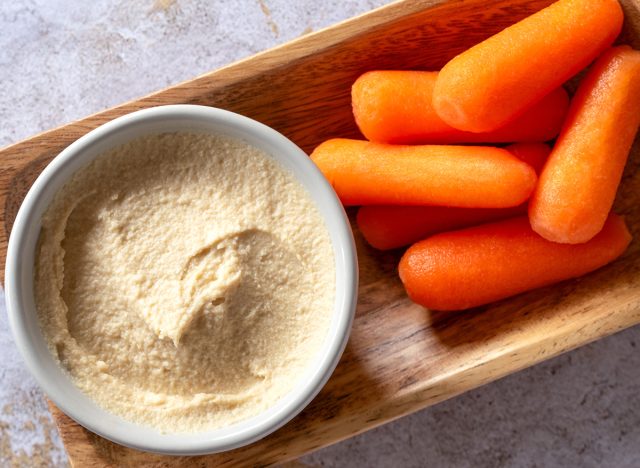
A classic snack, hummus is another great food for weight loss. With chickpeas as the base of this spread, you’ll get filling fiber and protein even before you add in your veggies. The addition of carrots sticks, or any other non-starchy veggie, can boost fiber even more while adding few calories to this pairing. The crunch of raw veggies is satisfying, and when paired with creamy, flavorful hummus, you have a filling snack loaded with flavor and healthy fats, too.
String cheese
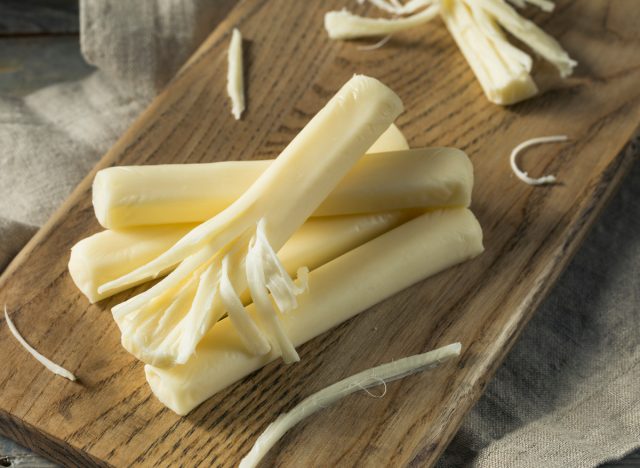
The nostalgia of a string cheese may be enough for you to enjoy, but this favorite lunch box addition is also a good snack for weight loss. A single part-skim mozzarella string cheese comes in under 100 calories and packs 6 grams of protein. Even though you won’t get any fiber from cheese, the protein amount is enough to make for a satisfying snack. And, at only 80 calories, you have room to pair your cheese with another low-calorie food. For example, berries are a great way to add food volume and fiber to your snack for relatively few calories.
RELATED: 8 Healthiest Cheeses You Can Eat, According to a Dietitian
Beef jerky
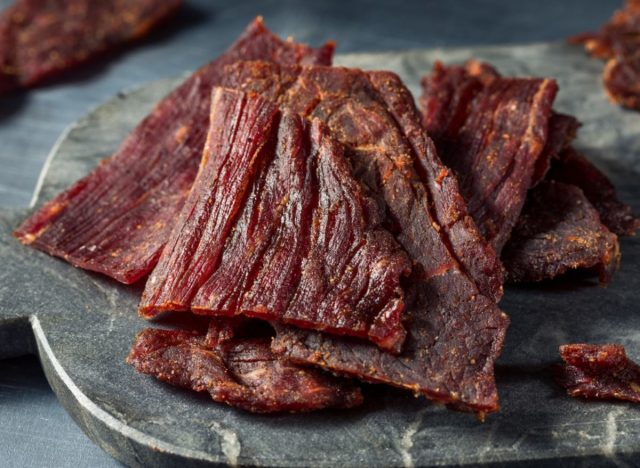
Jerky is a great weight loss snack because of its high protein content, and relatively low calorie and fat counts. Most versions also have a low carb count, making it great for those who are interested in a low carb diet. Beef jerky is also great when you are on-the-go as it requires no refrigeration. Jerky can be high in sodium, so compare brands and look for options with fewer than 500mg of sodium per serving. If you like portion-controlled options, look for individually wrapped beef sticks for a protein-rich snack.
Yogurt with raspberries
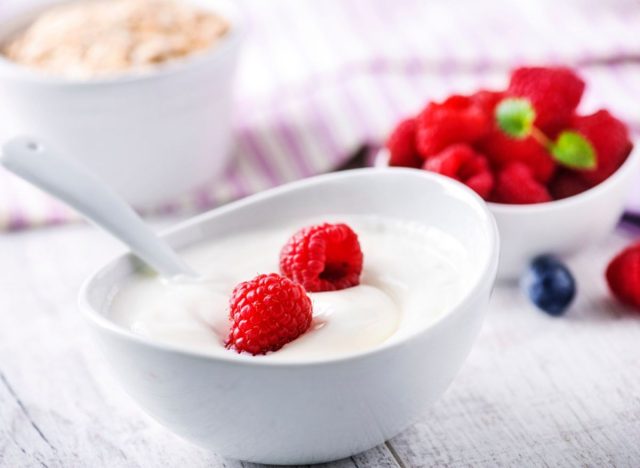
Greek yogurt is a source of protein and also provides important micronutrients, like calcium. The best options for weight loss would be unflavored or a flavored variety without added sugar. The combination of filling protein from the yogurt and fiber-rich raspberries makes for a filling and satisfying snack. A fat-free yogurt topped with berries can easily provide over 10 grams of protein for fewer than 150 calories. If you have a larger calorie budget, add some nuts or seeds to your yogurt for healthy fats and a fiber boost.
RELATED: The 11 Best Yogurts for Weight Loss
Air-popped popcorn

Popcorn is considered a whole grain, and when it is not doused in butter and oil, is a great weight loss snack. One cup of air-popped popcorn contains only 30 calories and provide one gram of fiber. That means you can have three cups of popcorn for less than 100 calories! Popcorn provides a low number of calories while giving you a high volume of food. Instead of using butter on your popcorn, try sprinkling grated parmesan or popcorn seasonings to boost flavor for few calories.
Hard boiled eggs

A single egg provides about 70 calories and 6 grams of protein. You won’t get any fiber from eggs, but the protein content is enough to make this a filling weight loss snack. Eggs also provide essential micronutrients, like choline and vitamin D. For fewer than 150 calories, you can pack 12 grams of protein into a snack with two hardboiled eggs. Pair with raw veggies to add some fiber while maintaining a low calorie count.
Edamame pods
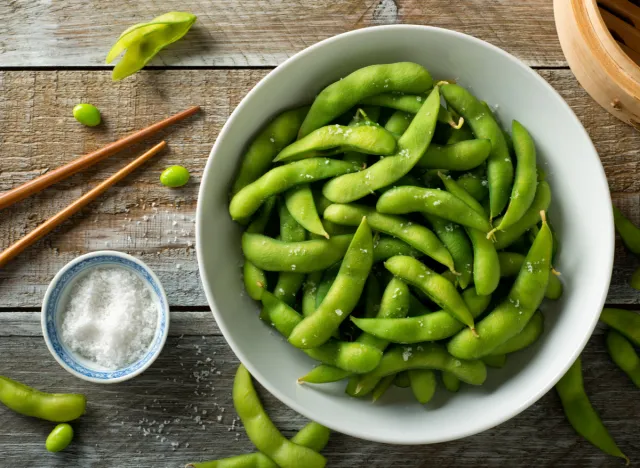
Whether you follow a plant-based diet, or are just looking to incorporate new foods into your meal plan, edamame is a great way to boost protein and fiber. Also known as soy beans, you can enjoy this snack a few different ways. If you are at home, you may boil your edamame pods and dip them in soy sauce for a snack that packs 9 grams of protein and 4 grams of fiber per half cup. If you are on-the-go, roasted edamame may be a better option that still packs plenty of filling nutrients.
RELATED: 25 Ways To Eat More Protein Without Overhauling Your Diet
Nuts
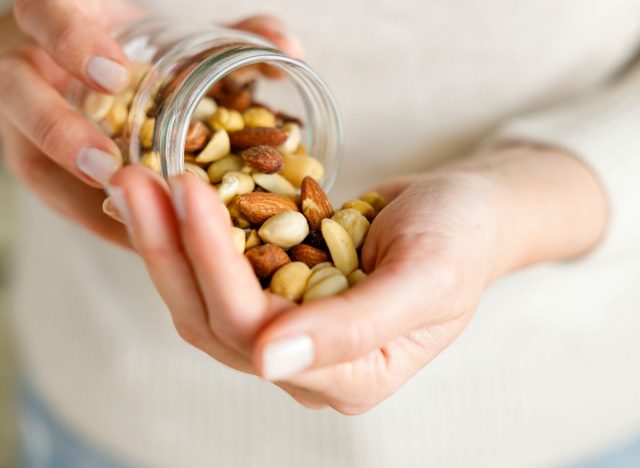
No matter which nut you prefer, all variety pack healthy fats, protein, and fiber. The amounts of each nutrient vary a bit between the varieties, but all nuts are good options when it comes to weight loss snacks. Enjoy on their own or pair with another food, like fruit or yogurt, for a filling snack. Although nuts packs plenty of healthy fats, they are relatively high in calories, so stick with ¼ cup of less of nuts for a snack. Don’t worry, you’ll still get plenty of protein and fiber to satisfy your appetite.
Smoothie
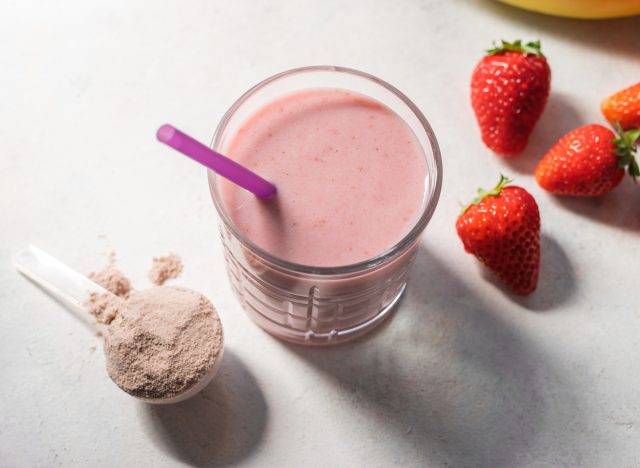
Homemade smoothies are a great way to add produce and protein into a snack. Keep it simple by using one cup of your favorite frozen fruit, a scoop of protein power, and a tablespoon of chia seeds to make a filling snack. Use water as your liquid to avoid empty calories from juice, and you have a satisfying weight loss snack for around 200 calories. Add in veggies, like spinach, kale, and cucumber for added nutrients and flavor for few calories.
Rice cakes with avocado
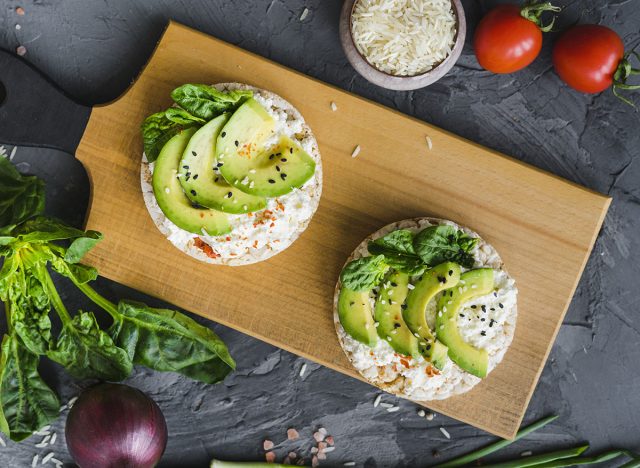
A single large rice cakes provides about 30 calories and is a great way to enjoy higher calories spreads and toppings. There isn’t a wealth of nutrients in a single rice cake; however, when topped with half of a mashed avocado, you can turn this snack into a balanced, filling option. Half of an avocado provides more than 4 grams of fiber, making it a filling food ideal for weight loss. Add a slice or two of deli turkey to boost protein for an even heartier snack.
Deli turkey
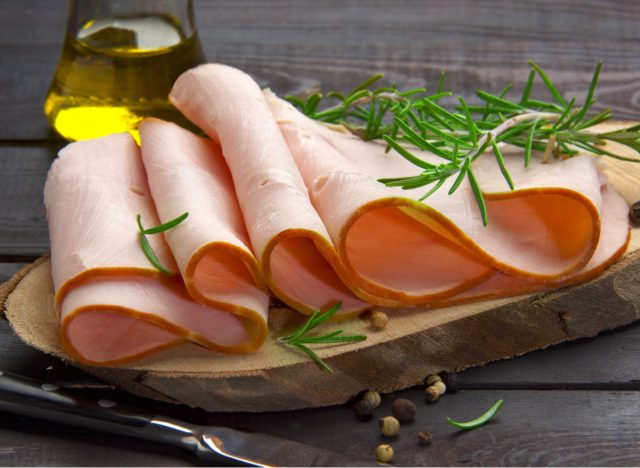
Speaking of deli turkey, this lean meat is another great option for a weight loss snack. Roll up a few pieces on their own for a quick high protein, low carb snack, or pair with a string cheese to create an indulgent snack for less than 100 calories. An ounce of deli turkey provides just over 30 calories, making it another high-volume food for relatively few calories. Other ways to enjoy your deli turkey include dipped in hummus and wrapped in a corn tortilla with veggies.
Roasted chickpeas
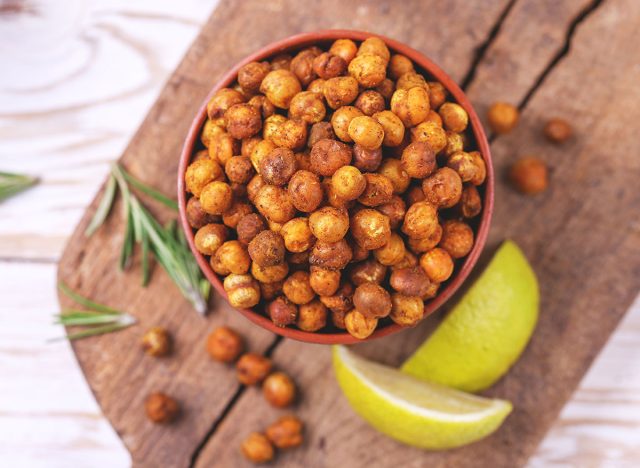
You can make this snack at home to customize your flavors, or purchase packaged varieties from the store. No matter how you get them, roasted chickpeas are a source of filling fiber and protein, and serve as a great alternative to chips. Their crunchy texture and savory seasonings make for a healthier cracker and chip option, allowing them to aid in weight loss. Just look out for varieties with added sugar. While they may be healthier than other sweet snacks, added sugar is still best limited when aiming for weight loss.
RELATED: 14 Healthiest High-Protein Beans You Can Eat
The post 13 Best Weight-Loss Snacks You Can Eat appeared first on Eat This Not That.
]]>The post You’ll Never Lose Belly Fat if You’re Still Eating These 10 Things appeared first on Eat This Not That.
]]>Several factors, including hormones and gender, can influence abdominal fat. Of course, your food choices can play a major role, too. Eating more calories than you burn in a day will likely result in weight gain, some of which may be in your midsection. Additionally, the types of calories you choose can impact your weight and fat mass. Sugar, in particular, has been documented to promote obesity, according to research. If you could do one thing to lose belly fat, limiting your added sugar intake may be your best bet.
In addition to your diet, stress can also play a role in accumulating abdominal fat. While easier said than done, managing your stress through various methods could help with your leanness goals. Daily meditation, exercise, and adequate sleep all contribute to reducing stress. Alongside a lower-stress lifestyle, you’ll want to keep an eye on your food choices because you’ll never lose your belly fat if you’re still eating these 10 things.
Pie

Sweet and available in numerous varieties, pie is a popular dessert at holidays and celebrations. However, even those made with fruit can pack a surprising amount of added sugar.
While all pie recipes differ, you can easily find a single serving containing more than 25 grams of added sugar. The American Heart Association recommends women consume no more than 25 grams (100 calories) of added sugar per day, while men should limit their intake to 36 grams (150 calories). That means a single slice of pie could use your entire sugar budget for the day.
Next time pie is offered as a dessert, opt for just a few small bites to keep your sugar consumption at bay.
RELATED: A Dietitian’s Best Smoothie Recipe To Melt Belly Fat Faster
Brownies
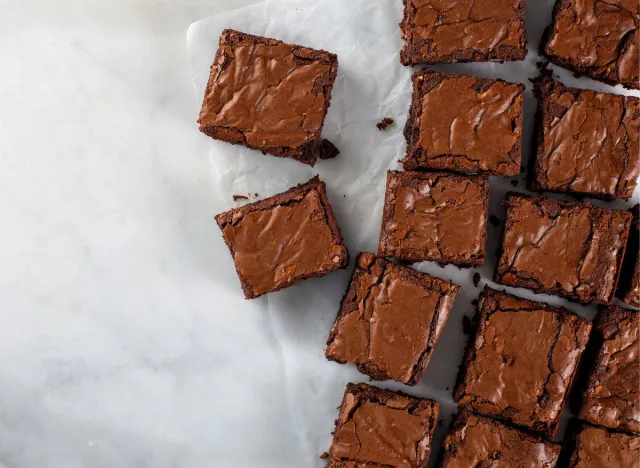
Another beloved dessert, brownies are also notorious for their sugar content. When making homemade brownies, you may easily find recipes that call for 2 cups of sugar, not to mention the sugar in the chocolate chips you use. This can lead to a very high-sugar treat, preventing you from meeting your belly fat-loss goals.
When baking at home, you can use low-sugar dark chocolate chips to cut the sugar in your brownies. In addition, consider swapping some of the granulated sugar for unsweetened applesauce as another method of reducing sugar.
RELATED: The Best Morning Drinks to Melt Belly Fat
Low-Fat Yogurt
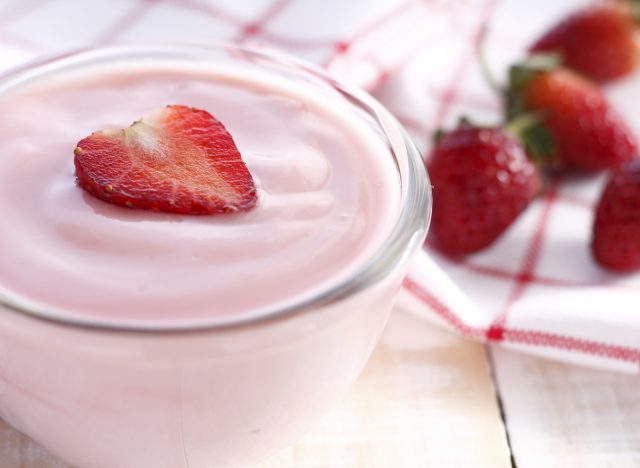
Although marketed as a diet food, low-fat yogurt is often a sneaky source of added sugar. For example, an individual cup could have more than 17 grams of sugar. While this snack may contain fewer than 150 calories, making it appear as a healthy option, it could be slowing down your weight loss progress.
Instead, look for higher-protein, low-sugar yogurt. In addition to lowering your sugar intake, this swap will increase the protein in your diet, which can lead to more satiety and lower calorie intake throughout the day.
Granola
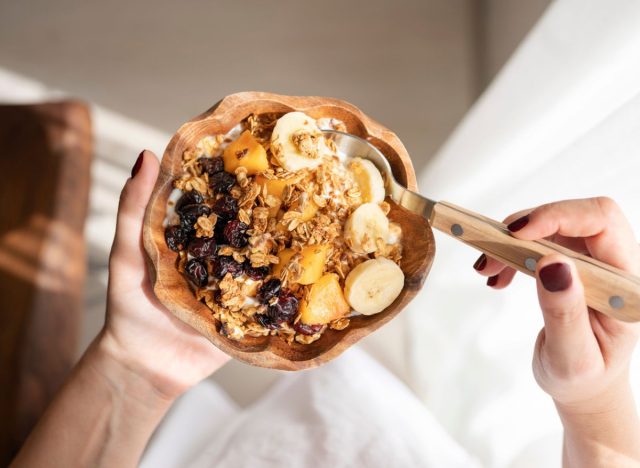
Whether used as a topping to your yogurt or enjoyed in a bowl with milk, granola could also be preventing you from losing belly fat. You may be surprised to learn a half cup of granola could be over 200 calories. This is a fairly small portion, and when eating as a cereal alternative, you may have double or triple this amount.
Granola is often made with oil, nuts, seeds, and added sugar, contributing to a higher-calorie food. While the nuts, seeds, and oats in granola are satiating ingredients due to their protein and fiber content, the added sugar, dried fruit, and oil can provide a less ideal source of calories.
The next time you serve yourself some granola, stick with a small portion or consider making a batch at home that uses less added sugar and oil than commercially made options.
Cereal Bars
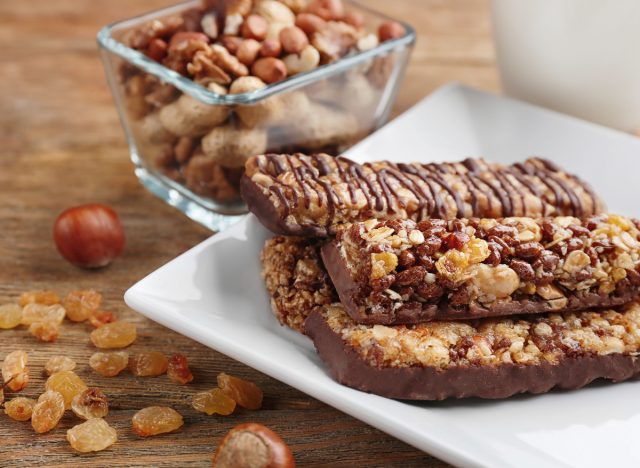
A popular item for grab-and-go breakfasts, cereal bars aren’t known for being packed with satiating ingredients. Most options contain minimal protein and fiber, leaving you with a less filling meal or snack, not to mention the high sugar count found in many of these bars.
If you are looking for a bar option for quick meals, opt for one with fewer than 6 grams of added sugar, at least 8 grams of protein, and 2 grams of fiber.
RELATED: 11 Ways to Lose Belly Fat, Say Experts
Canned Fruit
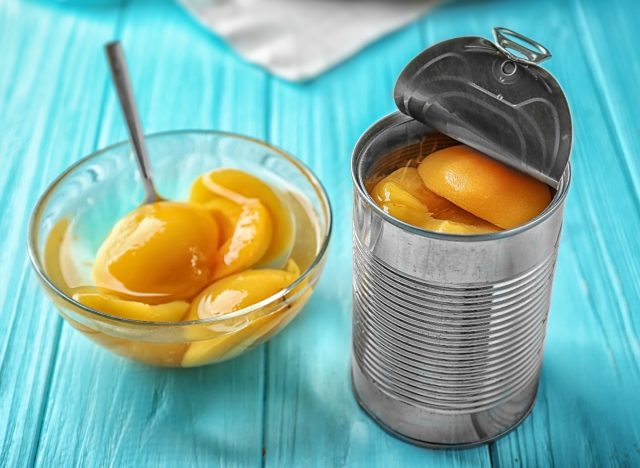
Canned fruit and sweetened mandarin oranges may be some of the most popular items in this category, but there are many packaged, processed fruits to watch out for. Options chock-full of syrup can be a dense source of added sugar. Not to mention, much of this processed fruit has less fiber than whole fruit.
If you want to get your kids to eat more produce by offering packaged fruit, look for options made without added sweeteners. The nutrition facts should show no added sugar, leaving the sweetness to come naturally from the fruit itself.
BBQ Sauce
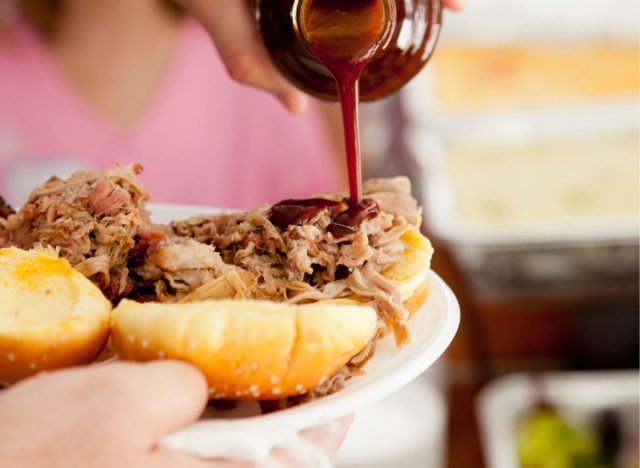
A flavorful way to enhance your grilled meats, you may be surprised by the amount of sugar in BBQ sauce. Two tablespoons of sauce can have around 10 grams of sugar, and many will use a portion much more than this when cooking. In fact, you may even see corn syrup listed before tomato in the ingredients lists of popular BBQ sauce brands.
If you are looking to reduce the sugar you get from BBQ sauce but still want to add flavor to your meat, try marinating them ahead of time with herbs, spices, garlic, mustard, and apple cider vinegar for flavor without the sugar.
Canned Baked Beans
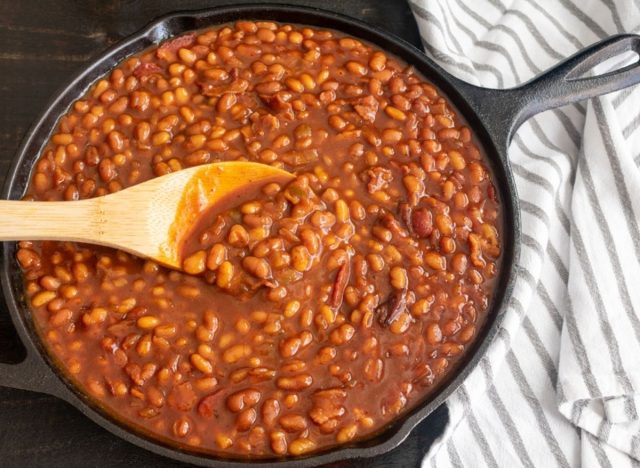
Often enjoyed alongside grilled meats, baked beans are another source of added sugar. A half-cup portion of canned baked beans can have 10 grams of sugar, making them less than ideal for your belly fat-loss goals.
Beans are a source of satiating fiber and protein, so they can be an important food for weight loss and overall health. Homemade baked beans using less sugar may be a good alternative, or swap the flavors of baked beans altogether for a black bean salad that contains veggies, like corn, tomato, and onion.
Biscuits and Gravy

A southern staple, biscuits and gravy are more known for their comforting flavors than nutrient density. Although not especially high in sugar, this dish packs a lot of calories into a fairly small package. A single biscuit with a serving of gravy could pack nearly 500 calories, many of which come from low-fiber carbs and saturated fat. A high-calorie meal like this that is relatively low in satiating protein and fiber could lead to more snacking throughout the day, slowing your weight loss process.
Next time around, skip the gravy and enjoy the biscuit with some lean protein and veggies, like egg whites scrambled with mushrooms and bell pepper, for a higher fiber and protein meal.
RELATED: 7 Ways To Start Losing Belly Fat in 10 Days
Sweetened Dried Fruit
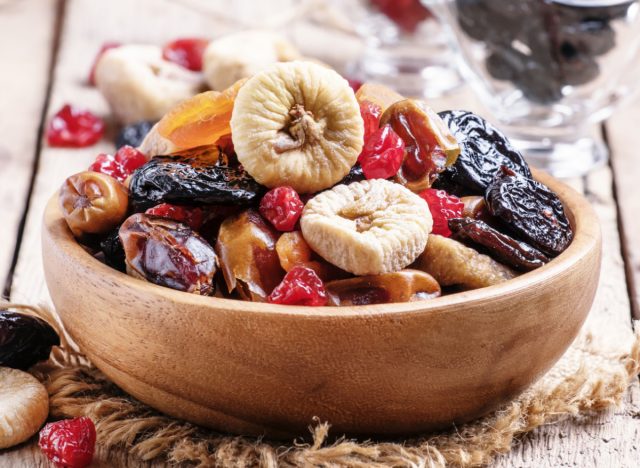
Last but not least, if you want to lose belly fat, ditch the dried fruit! Dried fruit can be a source of fiber and iron, but many varieties contain significant added sugar. In fact, you are likely to see a sweetener listed as the second ingredient of many dried fruit options.
Luckily, some varieties are made without added sugar—you just have to sift through the shelves to find them. Raisins traditionally don’t include added sugar, but most other varieties do. You’re better off sticking to whole fruit, which can contain more fiber and volume per serving. But if dried fruit is essential for you, search for those without added sugar to aid in your weight-loss progress.
The post You’ll Never Lose Belly Fat if You’re Still Eating These 10 Things appeared first on Eat This Not That.
]]>The post 10 ‘Healthy’ Foods That Can Make You Gain Weight appeared first on Eat This Not That.
]]>Take fats, for example. Some oils are loaded with heart-healthy fats that we should be incorporating into our meals. However, consuming too much of these oils can lead to a high calorie intake as a single tablespoon adds over 100 calories. Two things can be true at once: a food can provide health benefits while also contributing to weight gain.
To help you make the most of the foods you eat without causing the scale to creep up, here are 10 “healthy” foods that can actually make you gain weight. Read on, and for more, don’t miss 14 ‘Diet’ Foods That Are Actually Unhealthy for You.
Acai Bowls
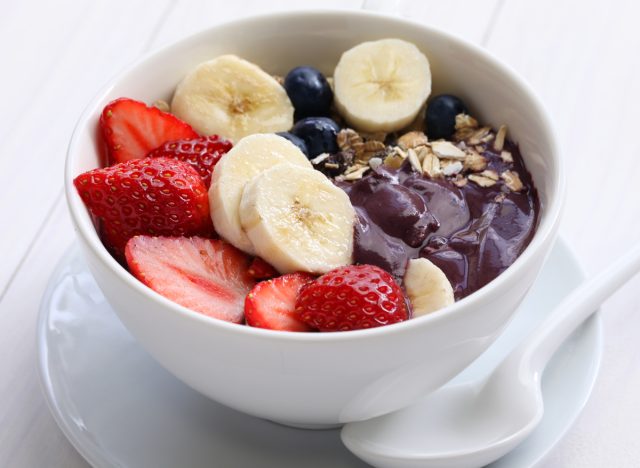
Gaining tons of popularity over the last several years, acai bowls are another perceived “health” food. Loaded with fruits and topped with ingredients like chia seeds, nuts, and granola, acai bowls are a source of healthy fats, antioxidants, and fiber. While these are important nutrients, acai bowls often come along with a high calorie and sugar count. Much of the sugar is naturally occurring in the fruit, but the added sugar used to sweeten the bowl can be a problem for your waistline. Not to mention, with calorie counts that can far exceed 600 calories depending on toppings, this food can put you over your calorie needs pretty quickly.
To lower the sugar and calories in your bowl, make sure they aren’t adding any sugar to the fruit blend, and limit your toppings.
RELATED: 25 Fat-Burning Weight-Loss Smoothies
Matcha Lattes

This powdered green tea has gained popularity in recent years because of its antioxidants and natural caffeine. Whisking this powder into warm water and enjoying as-is is the best way to get all of the health benefits without the calorie-dense ingredients. However, most people enjoy matcha when served as part of a latte. This means the antioxidant-rich powder is now potentially served alongside loads of added sugar.
In fact, a large Iced Matcha Latte from Dunkin has 43 grams of sugar while a grande Starbucks matcha latte packs 29 grams of sugar (with 39 grams of sugar in a Venti!), which is more than you should have in an entire day!
If you enjoy your matcha in latte form, forgo those syrups and sugar, and instead serve with your milk of choice.
RELATED: Every Starbucks Coffee Drink—Ranked by Sugar Content
Granola
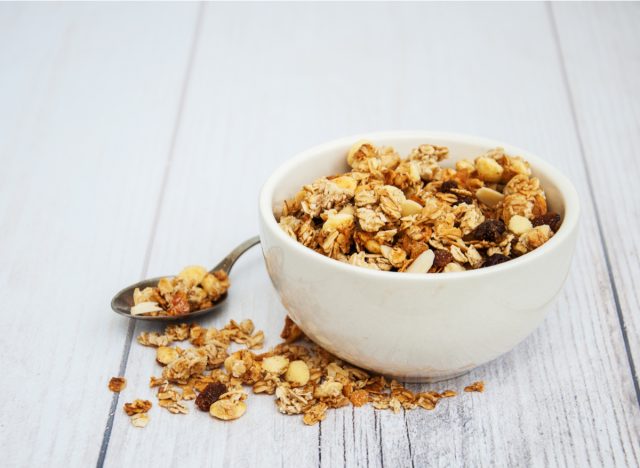
Perhaps one of the longest standing manufactured foods with a reputation for being healthy, traditional granola is a mix of oats, nuts, seeds, and dried fruit. While each of these foods provides its own unique health benefits, the downside of granola mostly comes from the added sugar and oil used as binders in the crunchy cereal alternative. The combination of these ingredients makes for a high calorie food, often with high amounts of added sugar and little protein. For example, Kroger’s Simple Truth Mixed Berry Granola packs 20 grams of added sugar per serving and only 4 grams of protein.
There are granola options out there with less added sugar, so keep an eye out for those as healthier alternatives. A good rule of thumb is to choose options with fewer than 8 grams of added sugar per serving. You could also experiment with making your own granola at home as a healthier way to enjoy this classic treat.
Red Wine

Red wine, often touted for its antioxidant properties, could be contributing to weight gain. Not only does a single glass provide more than 100 calories, but the way your body uses alcohol as an energy source may result in other nutrients being stored as fat. The combination of empty calories and energy metabolism effects of wine make it a likely source of weight gain.
If you enjoy a glass of red wine with dinner, try limiting yourself to just one. And if you’re justifying the calories for the antioxidants, think again—you’re better off getting antioxidants from supplements or nutrient-rich foods while keeping your red wine consumption in check.
RELATED: Is Red Wine Good for You?
MCT Oil

When the ketogenic diet gained popularity years ago, so did the use of MCT oil. Medium chain triglycerides (MCT) are a type of fat that can be used for immediate energy, which is not true for most other types of fat. While this unique absorption may allow it to aid in weight loss when used in place of other oils, this method could potentially back fire. A single tablespoon of MCT oil provides about 120 calories. Adding multiple servings of this oil to your meals can result in eating excess calories pretty easily, which could promote weight gain.
If you want to reap the health benefits of MCT oil, swap it for an oil currently used in your diet to avoid adding in excess calories to your day.
Protein Bars
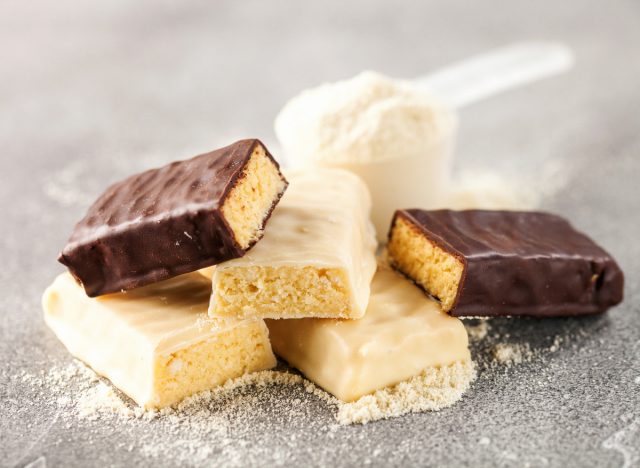
A convenient food that can sometimes be used to replace a whole meal, protein bars may also be causing you to gain weight. While they provide important nutrients, like protein and fiber, they can also be a dense source of calories and contain added sugar. In fact, some popular bars, like Gatorade’s Protein Bars, pack a day’s worth of added sugar, based on the American Heart Association’s recommendation for women.
The convenience of a protein bar is hard to beat, so if you want to incorporate this on-the-go snack into your meal plan, be mindful of your choice. Look for healthy protein bars with fewer than 5 grams of added sugar, at least 10 grams of protein, and 3 grams of fiber. If you are using the bar as a quick snack, it should be under 200 calories, too.
RELATED: 10 Best Protein Bars for Weight Loss
Flavored Oatmeal
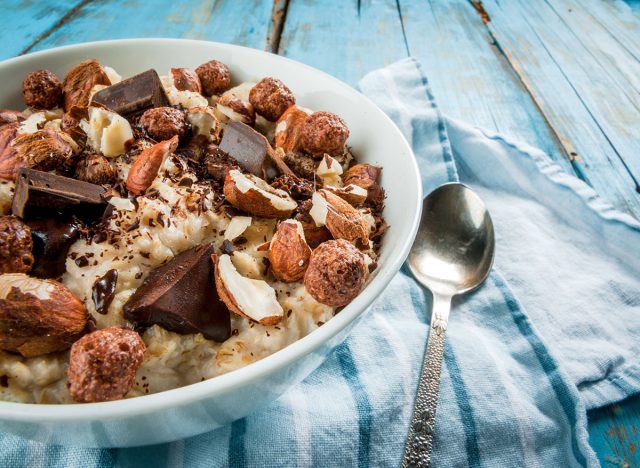
Oatmeal is a notable source of fiber, and also packs some plant-based protein. It can be combined with healthy fats, like nuts and nut butter, and fruit to create a well-balanced, quick breakfast. However, options that have flavoring usually come along with several grams of added sugar. Some of the most popular flavors can provide 22 grams of total sugar and 17 grams of added sugar, making them a food that could aid in weight gain. Added sugar has been linked to obesity and weight gain in many demographics, and even chronic disease.
Instead of flavored oatmeal packets, stick with a plain variety and sweeten it naturally with fruit and a light drizzle of honey.
RELATED: 8 Healthiest Oatmeal Brands
Flavored Yogurt
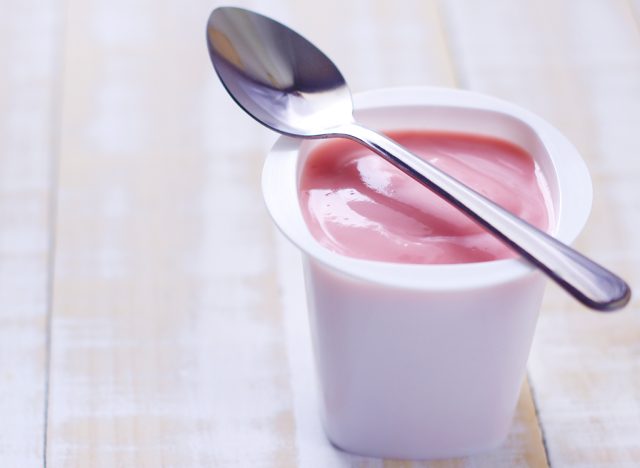
Yogurt can be a good source of protein, and provide important nutrients, like calcium. However, flavored yogurts can also supply a shocking amount of added sugar. For example, The Greek Gods Strawberry with Honey Greek yogurt packs 15 grams of added sugar per serving. This added sugar contributes empty calories, making it a less filling option. And traditional yogurts with high sugar content and less than 5 grams of protein per serving are even worse. These options offer minimal nutritional value and are more likely to contribute to weight gain.
If you enjoy yogurt in your meal plan, go with a plain variety and added mashed frozen fruit as a natural sweetener. There are options that make low sugar flavored varieties, so keep an eye out for those when you need a quicker snack.
RELATED: The 17 Best Low-Sugar Yogurts on Grocery Shelves
Dried Fruit
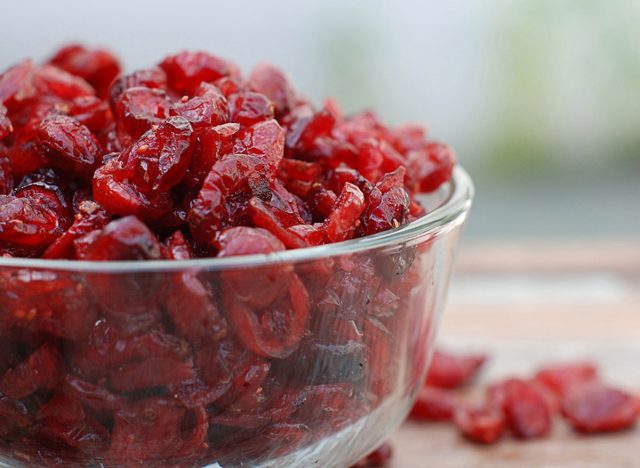
Dried fruit contains fiber, iron, and a variety of other vitamins and minerals. Unfortunately, dried fruit can also be a concentrated source of added sugar and is not especially filling when eaten on its own. In fact, classic Ocean Spray Craisins pack 26 grams of added sugar per serving! Whether you are using dried cherries to make your homemade granola, or adding dried cranberries to your autumn salad, check the nutrition facts before purchasing your next pack of dried fruit.
Choose options with zero grams of added sugar, and always make sure to pair your dried fruit with a source of protein or fat to make it more filling. For example, a portion of dried mango dipped in almond butter or dried cherries combined with your favorite nuts will make for a more balanced snack.
Electrolyte Drinks
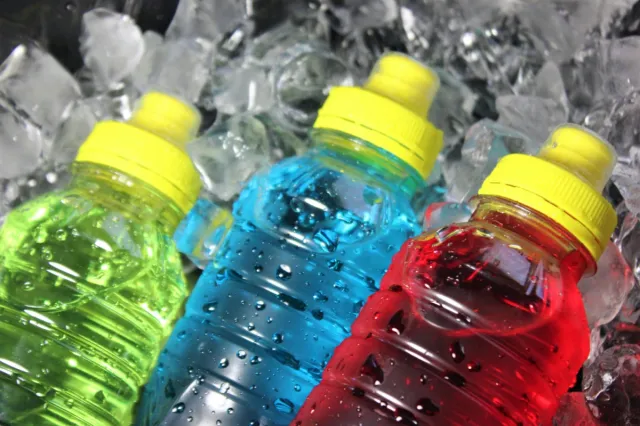
With so many options on shelves today, you may have been told how important it is to drink a daily electrolyte supplement. The reality is, most people don’t need to consume these on a regular basis. Not only can they provide excess sodium to your day, a nutrient most people are already consuming too much of, but they can also pack in the sugar. Options with lower amounts of sodium and minimal added sugar, like NUUN Daily Hydration, offer modest electrolyte replenishment without contributing significant amounts of electrolytes and sugar to your day.
If you are especially active or have a heavy sweat rate, electrolyte drinks may be beneficial for you. However, most of us can meet our fluid and electrolyte needs with just water. This avoids the excess sugar found in many electrolyte supplements, and keeps you from overdoing it on certain nutrients.
RELATED: 10 Best Electrolyte Drinks, According to a Dietitian
The post 10 ‘Healthy’ Foods That Can Make You Gain Weight appeared first on Eat This Not That.
]]>The post 10 Nutrition Label Ingredients That Are Major Red Flags for Your Health appeared first on Eat This Not That.
]]>Packaged foods provide convenience, mouth-watering flavors, and valuable nutrients. To achieve these flavors, vibrant colors, and extended shelf life, manufacturers often use questionable ingredients. Minimally processed, whole foods help you avoid many of the additives often found in packaged options. However, when you do reach for packaged foods, it’s important to know which ingredients to watch out for. Here are 10 ingredients commonly found on nutrition labels that should raise a red flag. And for more on what you should be eating, check out these 30 Healthiest Foods To Eat Every Day.
High Fructose Corn Syrup
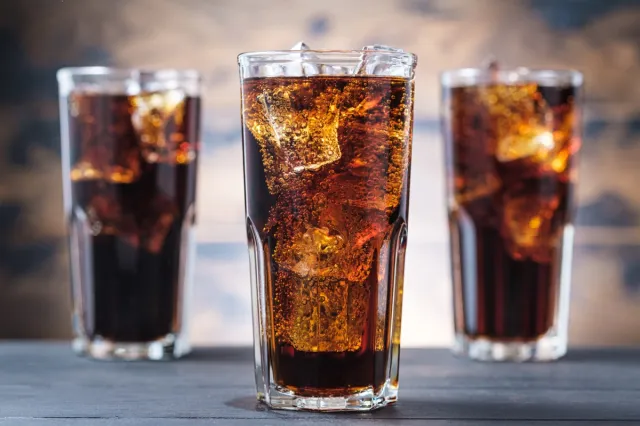
From soda and juice to canned fruit, cereal, and dairy products, high fructose corn syrup (HFCS) is a common ingredient in packaged foods and drinks. Over the last several decades, HFCS has become a common ingredient as manufacturers look for cheaper ways to sweeten their products. This ingredient is cheaper than sugar, yet provides a similar sweetness, and can aid in the texture and moisture retention in food. However, research suggests HFCS may increase risk of metabolic dysregulation and obesity. Not to mention, HFCS is a source of empty calories that not only contributes to weight, but may also negatively impact dental health.
The American Heart Association advises limiting added sugars, including HFCS, to fewer than 25 grams per day for women and 36 grams per day for men. Reading nutrition labels carefully can help you steer clear of this problematic ingredient.
RELATED: The 26 Unhealthiest Sodas—Ranked by Sugar Content
Sodium Nitrite

You will most often find sodium nitrite in cured meat products, like BBQ meat, deli meat, and jerky. This preservative helps retain the natural color of meat, but it comes with potential health risks. Research suggests that sodium nitrite in processed meats may produce carcinogenic compounds, increasing your risk of cancer.
Luckily, many brands now offer nitrate-free cured meats. Comparing ingredient lists can help you find these healthier options—and a little extra effort can make a big difference in improving the quality of your grocery basket.
RELATED: 12 Healthiest Deli Meats—and 9 To Avoid
Red No. 3
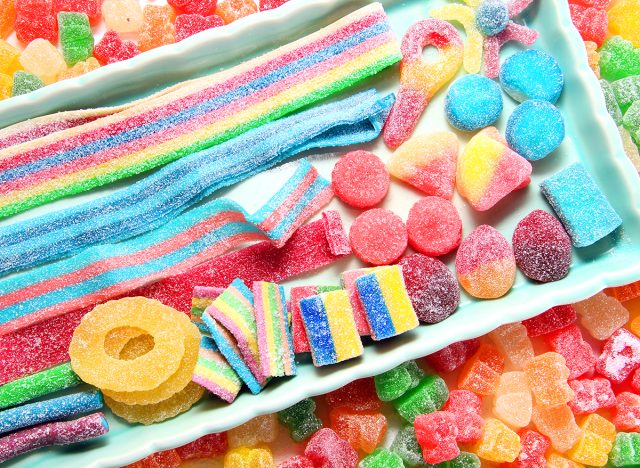
Extensive research has raised concerns about the safety of food dyes, and Red No. 3 is no exception. Manufacturers add these food dyes to foods and drinks to create a more appealing color, especially in kids’ products. Although the bright colors make some options very popular, it may simultaneously harm your health. In one study, rats exposed to Red No. 3 developed a higher incidence of thyroid tumors. Regulators have also banned this dye in cosmetic products due to its potential carcinogenic effects in animals.
With risks like these, avoid Red No. 3 and limit your consumption of food dyes and artificial colorings.
Titanium Dioxide
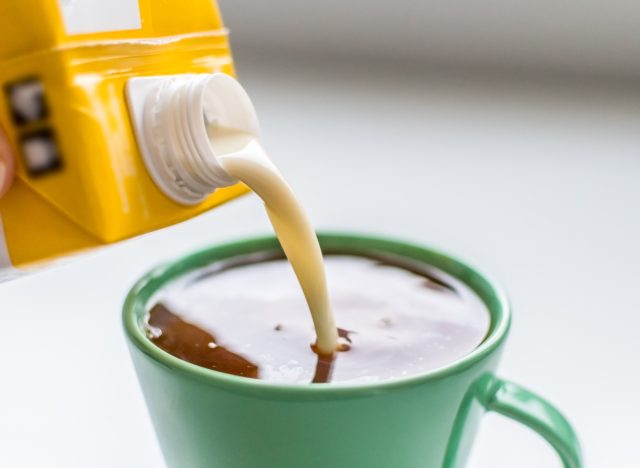
Although banned from use in food in Europe, titanium dioxide is still found in many popular products in the U.S. This ingredient is commonly used in manufactured foods with a white color, such as coffee creamer, gum, frosting, and pudding.
Research suggests that titanium dioxide may accumulate in the body, leading to potential DNA and chromosomal damage. The FDA has not independently reviewed the safety of titanium dioxide since its approval in the 1960s but is currently evaluating whether to revoke its use in food. Until a decision is made, it’s best to avoid this ingredient when possible.
RELATED: 9 Unhealthiest Coffee Creamers on Grocery Shelves
Tertiary Butylhydroquinone
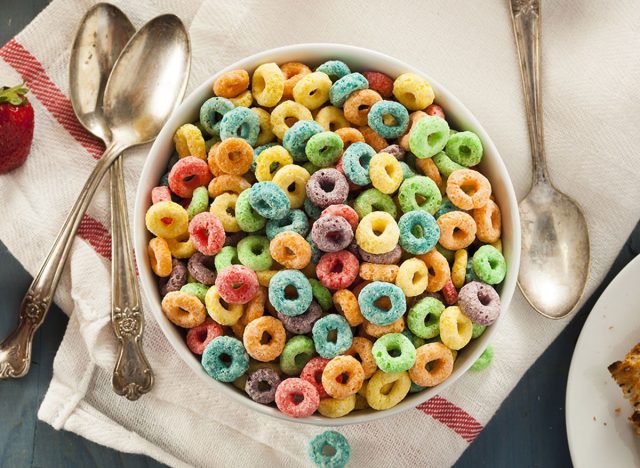
TBHQ, or tertiary butylhydroquinone, is a common food additive used as a preservative, often alongside other controversial ingredients. The Center for Science in the Public Interest (CSPI) recommends avoiding TBHQ, citing research that linked it to a higher incidence of tumors in rats. This additive frequently appears in snack foods, cereals, and crackers, including many products marketed to children. Despite its widespread use, growing concerns about its potential health risks have put TBHQ under increased scrutiny.
BHA & BHT
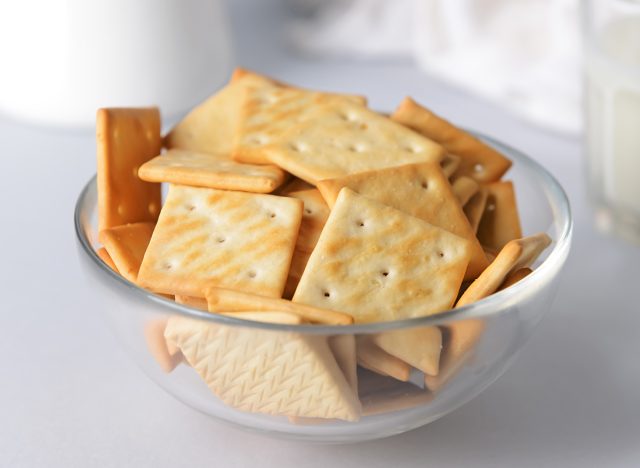
Butylated hydroxyanisole (BHA) and butylated hydroxytoluene (BHT) are preservatives commonly used in processed foods like crackers and cereal. These additives help prevent fats in food from becoming rancid. Although the FDA considers BHA and BHT safe within specified limits, animal studies indicate that BHA may increase the risk of cancer in humans. Other research suggests that both BHA and BHT could disrupt sex hormones. Due to these concerns, many manufacturers are turning to vitamin E as a safer and less controversial alternative.
RELATED: The 15 Healthiest Store-Bought Crackers, According to Dietitians
Aspartame

Aspartame, one of the most commonly used artificial sweeteners, is found in soda, energy drinks, gum, and many low-sugar products. While some people report mild side effects like headaches and dizziness, research suggests it may pose more serious risks. Studies have linked aspartame to potential issues such as diabetes, obesity, glucose and insulin intolerance, and changes in gut microbiota.
Over the decades there has been plenty of conflicting research regarding the carcinogenic properties of aspartame, providing enough reason to limit this ingredient.
Potassium Bromate

Potassium bromate is commonly found in flour and prepared bread products. Bakers have traditionally used it to increase bread volume and create a desirable crumb texture. While most bromate quickly breaks down into harmless bromide during baking, bromate itself has been shown to cause cancer in animals. Although the residual bromate in bread presents only a small risk to consumers, its use has been banned in most countries worldwide.
Although many flour millers and food manufacturers have removed potassium bromate from their processes, it’s still important to check ingredient lists and avoid products that contain it. Even small residual amounts pose unnecessary risks.
RELATED: 9 Healthiest Whole Grain Breads on Grocery Shelves
Acesulfame Potassium
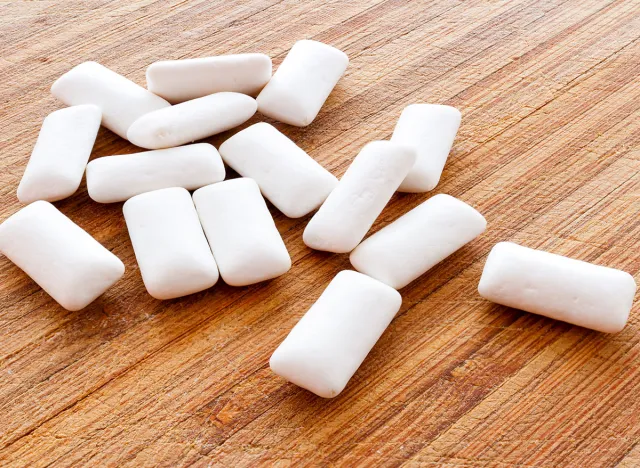
Acesulfame potassium (Ace-K), a zero-calorie sweetener, is commonly found in diet drinks, and low sugar gum and candy. Although you will find contradicting research and opinion on this ingredient, some research indicates it may pose health risks with one study noting Ace-K may affect cognitive function. When the first safety test was conducted on Ace-K in the 1970s, data suggested it could be carcinogenic in rats. However, these tests were thought to be flawed.
To err on the side of caution, it’s wise to limit your intake of products containing this artificial sweetener.
Caramel Coloring
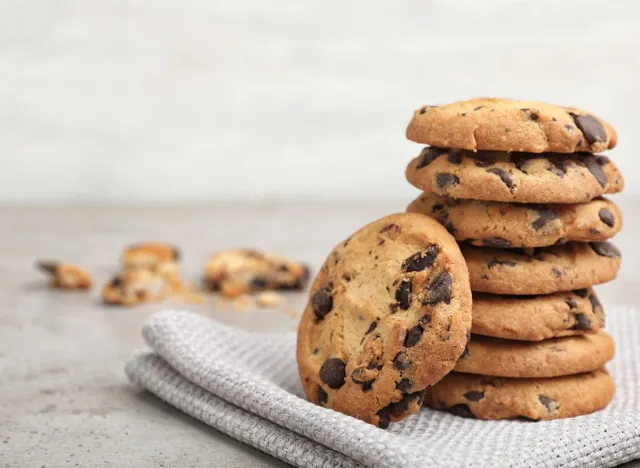
Commonly found in soda, baked goods, and cooked meats, caramel coloring may pose some worrisome health risks. When caramel coloring is produced using ammonia, it can form 4-Methylimidazole, a compound that studies link to lung cancer and leukemia in mice and rats
The amount of caramel coloring one may consume from sauces, like soy sauce and Worcestershire sauce is likely minimal. However, those who drink soda daily are likely consuming a more concerning amount.
RELATED: 26 Healthy Soda Alternatives Dietitians Love
The post 10 Nutrition Label Ingredients That Are Major Red Flags for Your Health appeared first on Eat This Not That.
]]>The post 26 Healthy Soda Alternatives Dietitians Love appeared first on Eat This Not That.
]]>Traditional sodas are made with high-calorie sweeteners like cane sugar or high fructose corn syrup, which contribute extra calories without much nutritional benefit. Research has linked excessive sugar consumption to serious health risks, including obesity, type 2 diabetes, heart disease, abdominal fat, and negative mood.
Considering how sugar impacts your health, switching to healthy soda alternatives is a smart choice. So, if you’re looking to cut back on sugary soda, you’re in the right place. As registered dietitians, we rounded up our favorite healthy soda alternatives. These picks allow you to enjoy the fizz and satisfaction of soda without the sugar, calories, and health risks.
How We Picked the Best Healthy Sodas
When gathering our soda alternatives, we looked for the following criteria:
- Less sugar than traditional soda
- Drinks that offer carbonation
- Those that are made without aspartame, a zero-calorie sweetener used in diet soda linked to negative health outcomes
- Options that may contribute to overall health by providing essential nutrients or beneficial ingredients like prebiotics and probiotics to support a balanced diet
Read on for our 26 picks for low-sugar, healthy soda alternatives. Depending on your preference for carbonation, sweetness, type of sweeteners, and flavors, there is something on this list for everyone.
RELATED: I Tried 7 Prebiotic & Probiotic Sodas and The Best Was Fruity and Not Too Sweet
OLIPOP
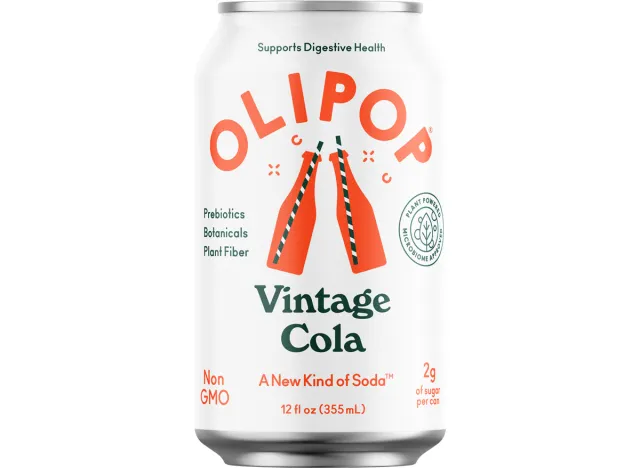
Calories: 35
Sodium: 25 mg
Carbs: 16 g (9 g fiber, 2 g sugar)
Caffeine: 50 mg
Sweeteners: Stevia Leaf, Apple Juice Concentrate
If you are looking for a healthy soda with a classic cola flavor, this should be on your radar! Made with a small amount of added sugar, OLIPOP gets most of its sweetness from a combination of cassava root syrup and stevia leaf extract. You’ll also find 9 grams of fiber per can, a rarity amongst soda. The Vintage flavor contains caffeine, but you won’t find this in OLIPOP’s 15 other flavors, including Cherry Vanilla, Lemon Lime, Cream Soda, and Classic Grape.
RELATED: 25 Best & Worst Sodas on Grocery Shelves
Zevia
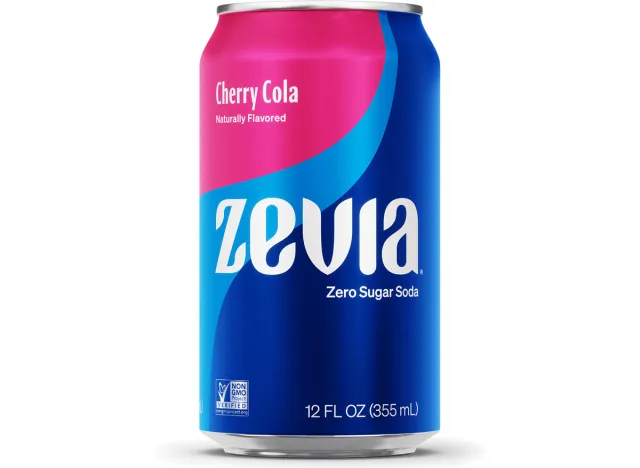
Calories: 0
Sodium: 0 mg
Carbs: 0 g (Sugar: 0 g)
Caffeine: 38 mg
Sweeteners: Stevia leaf extract
Another fun play on traditional soda flavors, Zevia Cherry Cola captures flavor without added sugar. Stevia leaf extract is the main source of sweetness in Zevia beverages and is a non-chemically made sugar alternative. You’ll also find about 38 milligrams of caffeine in some of the Zevia drinks, allowing them to mimic the flavor, sweetness, and energy found in soda.
Health-Ade SunSip
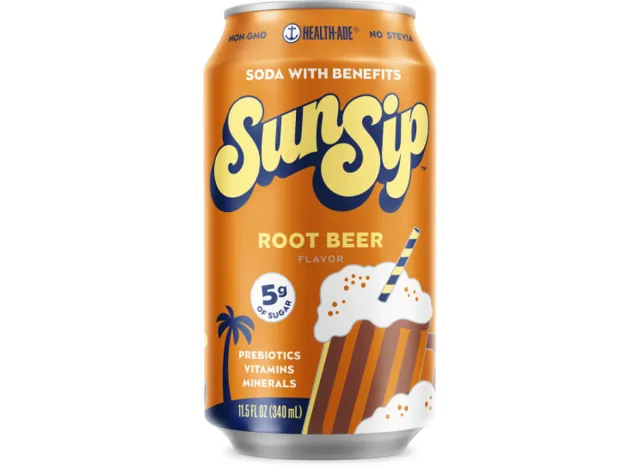
Calories: 35
Sodium: 0 mg
Carbs: 8 g (Fiber: 2 g, Sugar: 5 g)
Caffeine: 0 mg
Sweeteners: Apple Juice, Cane Sugar, Monk Fruit Juice Concentrate
Health-Ade SunSip healthy sodas are known for their gut-boosting benefits from prebiotics and also use another non-chemically made sugar alternative, monk fruit. Health-Ade also makes Kombucha drinks, which are another great alternative to soda.
Nixie Zero Sugar Soda
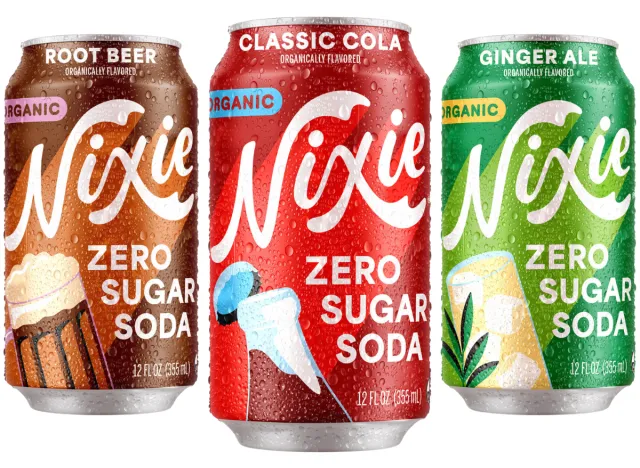
Calories: 0
Sodium: 30 mg
Carbs: 1 g (Sugar: 0 g)
Caffeine: 40 mg
Sweeteners: Organic stevia leaf extract
Available in Classic Cola, Ginger Ale, and Root Beer, Nixie has crafted one of the first certified organic zero-sugar sodas. These sodas are free from artificial sweeteners, colors, and flavors, offering a healthier soda without sacrificing taste.
Virgil’s Zero Sugar Soda
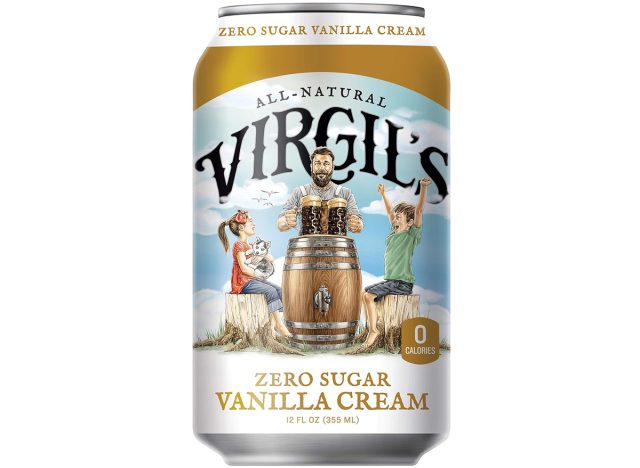
Calories: 0
Sodium: 0 mg
Carbs: 7 g (Sugar: 0 g)
Sweeteners: Erythritol
Virgil’s doubles the bourbon vanilla in this Zero Sugar Vanilla Cream Soda for an indulgent flavor with none of the calories or sugar, as this soda is made with erythritol. Sugar alcohols, like erythritol, are naturally found in foods and can also be man-made to use as a zero-calorie sugar alternative.
Spindrift
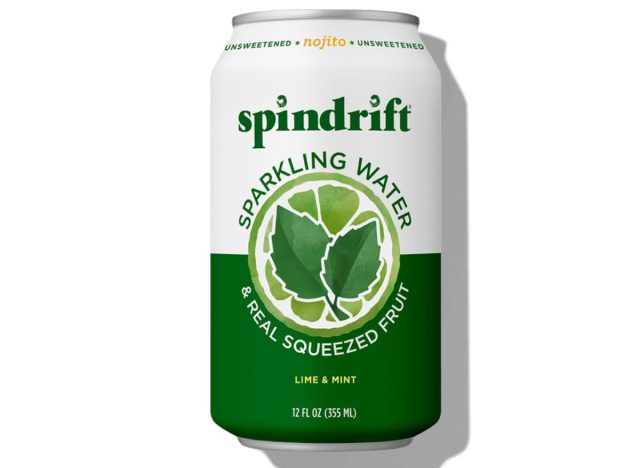
Calories: 4
Sodium: 0 mg
Carbs: 1 g (0 g sugar)
Caffeine: 0 mg
Sweeteners: Lime Juice (zero “added” sugar)
With super fun flavors like lime + mint and pink lemonade, Spindrift uses small amounts of real juice to flavor their drinks. There is no added sugar here, and only a few calories per can from the fruit juice. Spindrift also offers a line of spiked carbonated waters that are made without any added sugar.
RELATED: 10 Best Sparkling Water Brands, According to Dietitians
Waterloo
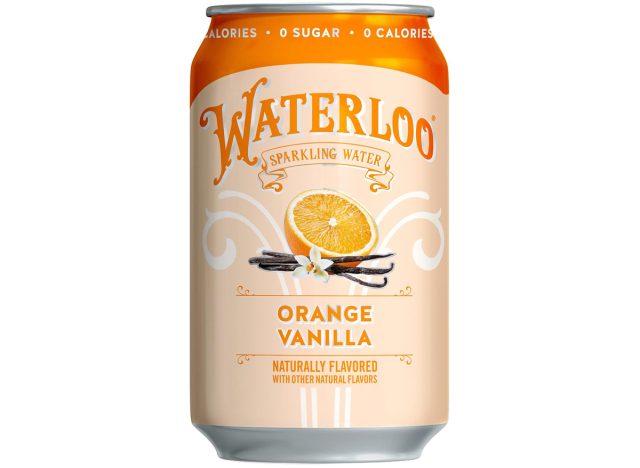
Calories: 0
Sodium: 0 mg
Carbs: 0 g (Sugar: 0 g)
Caffeine: 0 mg
Sweeteners: none
With the tag line “water down nothing,” Waterloo packs flavor without any added sugar or sweeteners. They take great pride in their flavor artistry and note their meticulous attention to taste and aroma. Waterloo also notes their use of purified water to create an optimal pH balance.
Hint Sparkling Water with Electrolytes
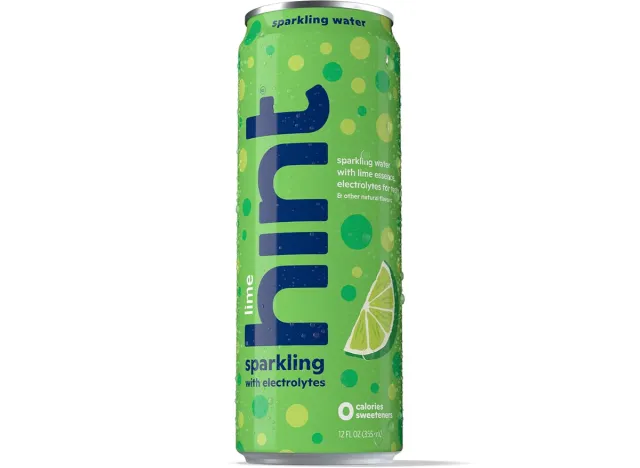
Calories: 0
Sodium: 0 mg
Carbs: 0 g (Sugar: 0 g)
Caffeine: 0 mg
Sweeteners: none
Another option that comes in several fruit flavors, Hint sparkling water was developed with the mission to help people fall in love with water. You can find their original line of flavored still water, along with vitamin-enhanced waters, options with caffeine, and kid-friendly boxed options with straws. Of note, the caffeinated drinks contain 60 milligrams of caffeine, which is more than you’ll find in soda.
RELATED: 7 Sodas With the Scariest Ingredients
Sanzo Sparkling Water
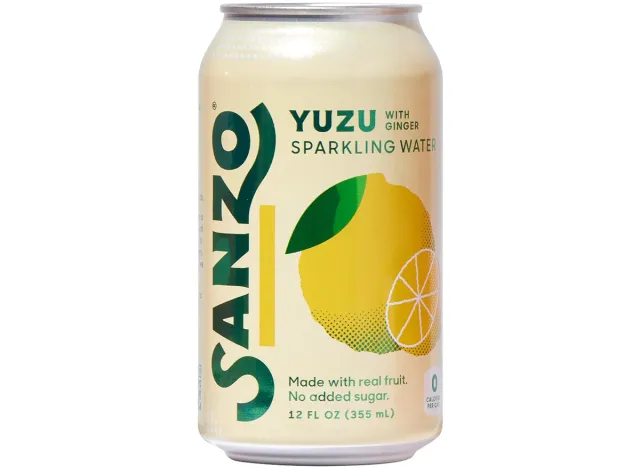
Calories: 0
Sodium: 0 mg
Carbs: 0 g (Sugar: 0 g)
Caffeine: 0 mg
Sweeteners: none
Sanzo is the first Asian-inspired sparkling water, delivering a big flavor with real fruit and no added sugar. With just four ingredients—carbonated water, yuzu juice, lemon juice, and natural ginger extract—this drink has zero calories and zero sugar. Yuzu, a citrus fruit from East Asia, brings a refreshing and zesty taste that pairs perfectly with the warmth of ginger.
Mayawell Prebiotic Soda
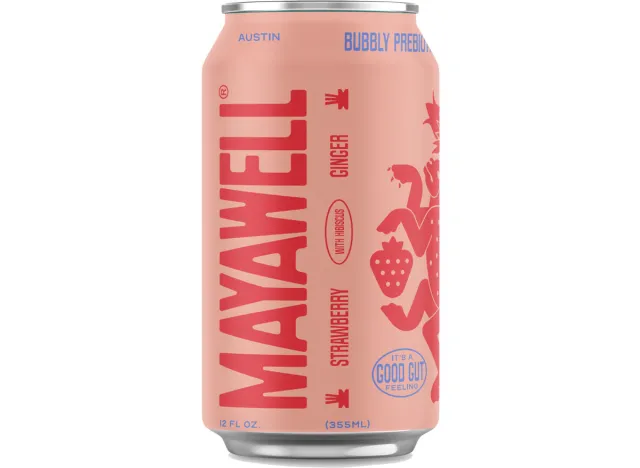
Calories: 35
Sodium: 0 mg
Carbs: 9 g (Fiber: 5 g, Sugar: 4 g)
Caffeine: 0 mg
Sweeteners: Organic agave nectar
Another option with fiber, which serves as a prebiotic in this drink, Mayawell prebiotic sodas pack unique and refreshing flavors into a functional drink. Compared to regular soda, which provides zero gut health benefits, the fiber here serves as a food source for healthy gut probiotics.
Culture Pop Probiotic Soda
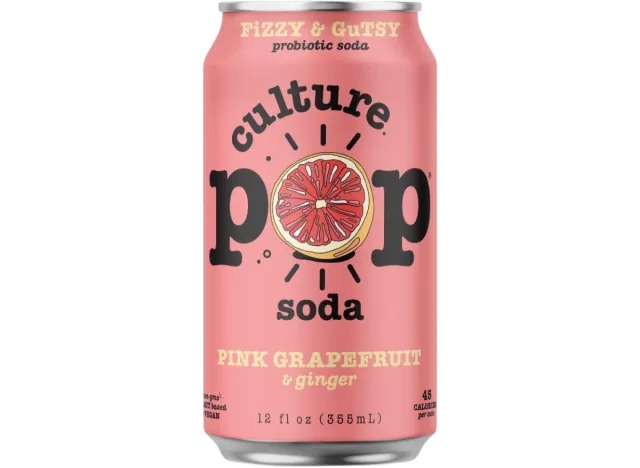
Calories: 45
Sodium: 45 mg
Carbs: 10 g (Sugar: 8 g)
Sweeteners: Organic Juice Blend From Concentrate (zero “added” sugar)
Culture Pop Sodas are considered “probiotic soda,” providing healthy bacteria to support gut health. Without any added sugar or sweeteners, these fizzy drinks still pack plenty of flavor from fruit juice, herbs, and spices.
Humm Probiotic Soda
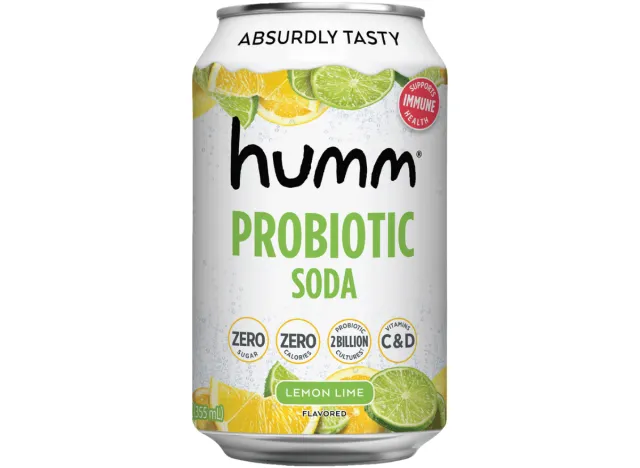
Calories: 0
Sodium: 0 mg
Carbs: 0 g (Sugar: 0 g)
Caffeine: 0 mg
Sweeteners: Allulose
Each can of Humm Probiotic Soda contains 2 billion probiotics to support gut health. It is sweetened naturally with plant-based allulose for a sweet taste without the fake flavor. This healthy soda alternative delivers additional benefits as it’s packed with vitamins C and D and energizing B12.
Liquid Death Flavored Sparkling Water
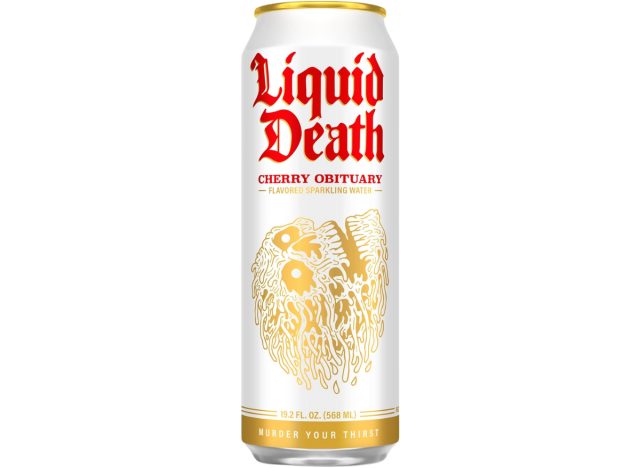
Calories: 20
Sodium: 0 mg
Carbs: 4 g (Sugar: 4 g)
Caffeine: 0 mg
Sweeteners: Agave Nectar
Kill your soda cravings and enjoy a refreshing, guilt-free beverage with Liquid Death Flavored Sparkling Water. This soda alternative has only 4 grams of sugar from agave nectar, making it a flavor-packed, low-sugar soda alternative.
bubly
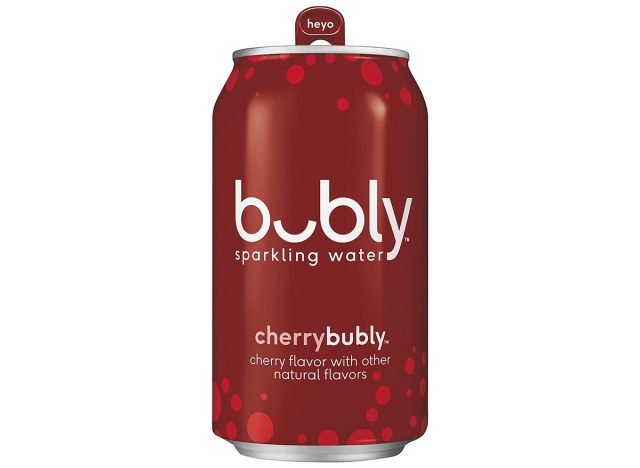
Calories: 0
Sodium: 0 mg
Carbs: 0 g (Sugar: 0 g)
Caffeine: 35 mg
Sweeteners: none
With a wide selection of flavors like lime, strawberry, and grapefruit, these fruit-centric carbonated waters pack flavor without any added sugar or artificial sweeteners. For those who enjoy soda for its caffeine content, bubly has you covered. Bubly Bounce is their line of caffeinated sparkling water, and each 12-ounce can contains 35 milligrams of caffeine. This is similar to what is found in a traditional soda, and provides the energy boost without the calories and sugar.
Topo Chico
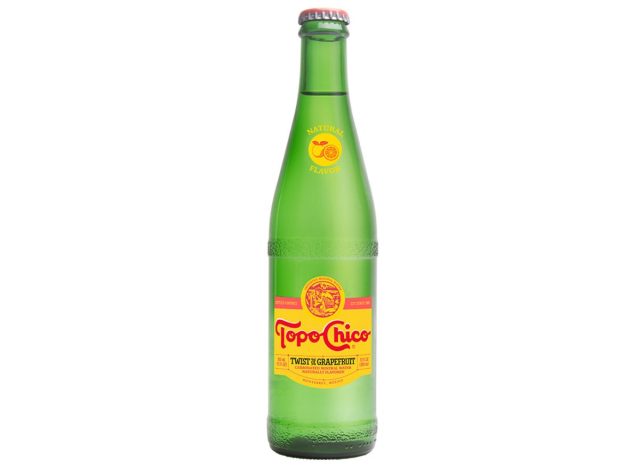
Calories: 0
Sodium: 15 mg
Carbs: 0 g (Sugar: 0 g)
Sweeteners: None
You’ll notice a small amount of sodium in Topo Chico drinks, and that’s because they use mineral water to create their fizzy beverages. You’ll also find a small amount of calcium in this sparkling mineral water—something you won’t find in many of the other drinks on this list. Although they offer fewer flavor varieties than other sparkling water brands, many consumers enjoy Topo Chico for its extra bubbly texture.
La Croix
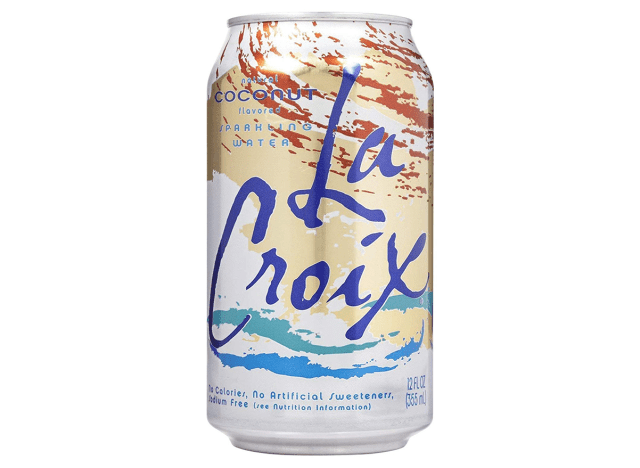
Calories: 0
Sodium: 0 mg
Carbs: 0 g (Sugar: 0 g)
Caffeine: 0 mg
Sweeteners: none
Another line of sparkling water that does not contain any calories, added sugars, or sugar substitutes, La Croix is the O.G. of carbonated water. In addition to La Croix’s wide selection of fruit-flavored drinks, they also have options with coffee essence and cola flavoring. Of all of the drink options on this list, La Croix has one of the most extensive lists of flavors, so there is something for everyone.
Ruby Sparkling Hibiscus Water
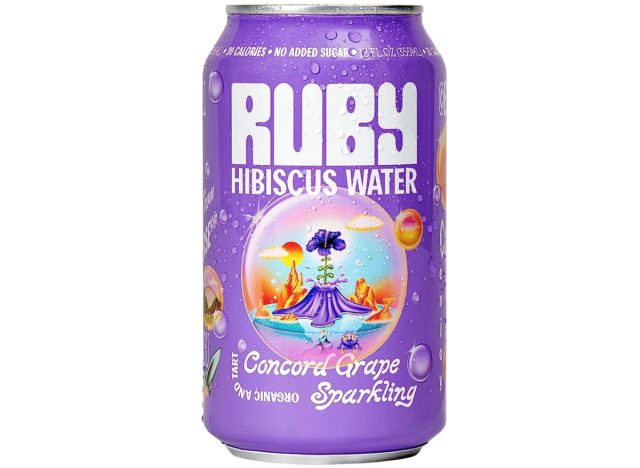
Calories: 30
Sodium: 30 mg
Carbs: 7 g (Sugar: 6 g)
Sweeteners: Organic Concord Grape Juice
Ruby Hibiscus Water is made with just three ingredients: organic Concord grape juice, hibiscus, and water. With absolutely no non-nutritive sweeteners, this drink relies solely on organic fruit juices for its sweet and tart flavor. Packed with vitamin C from hibiscus and over 1,000 antioxidant polyphenols, it’s a deliciously healthy choice!
HOP WTR
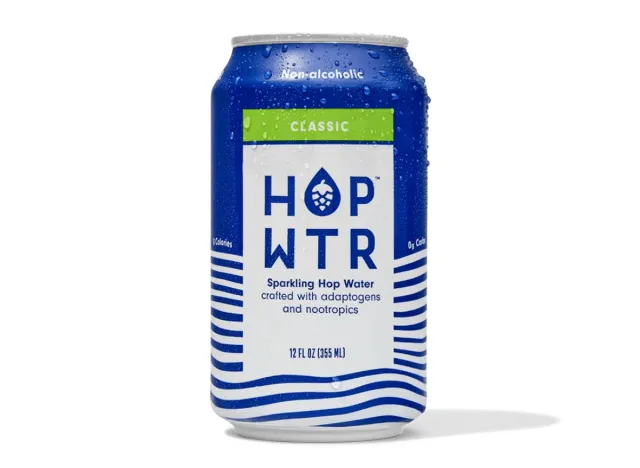
Calories: 0
Sodium: 0 mg
Carbs: 0 g (Sugar: 0 g)
Caffeine: 0 mg
Sweeteners: none
As one of the more unique options on our list, HOP WTR is a sparkling water made with hops. That’s right, the ingredient that gives beer its flavor! Their non-alcoholic brews are also made with adaptogens and nootropics that can help your body manage stress and enhance cognitive performance, according to HOP WTR. In addition to their Original flavor, you’ll also find a variety of fruit flavors, too.
Sparkling Ice
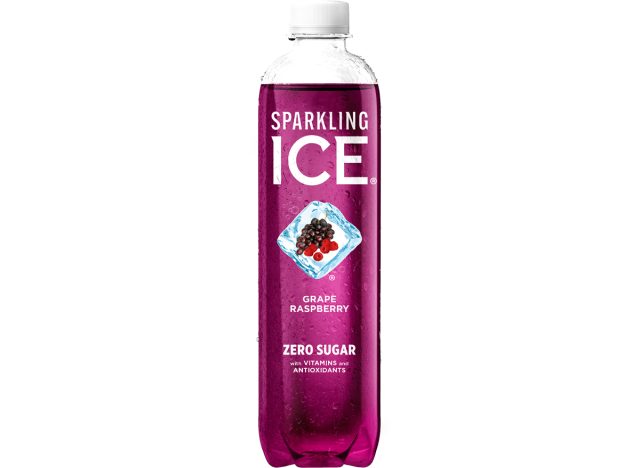
Calories: 5
Sodium: 0 mg
Carbs: 0 g (Sugar: 0 g)
Caffeine: 0 mg
Sweeteners: Apple Juice Concentrate, Sucralose
One of the unique features of this healthy soda alternative compared to others on this list is its sweetness. While Sparkling Ice does not contain added sugar, they use fruit juice and sucralose (marketed as Splenda) to sweeten their drinks. While sucralose may not lead to the same issues as added sugar, animal studies suggest some potential negative outcomes, like gut health disruption.
RELATED: 8 Sodas That Use the Lowest Quality Ingredients
Maison Perrier Sparkling Water
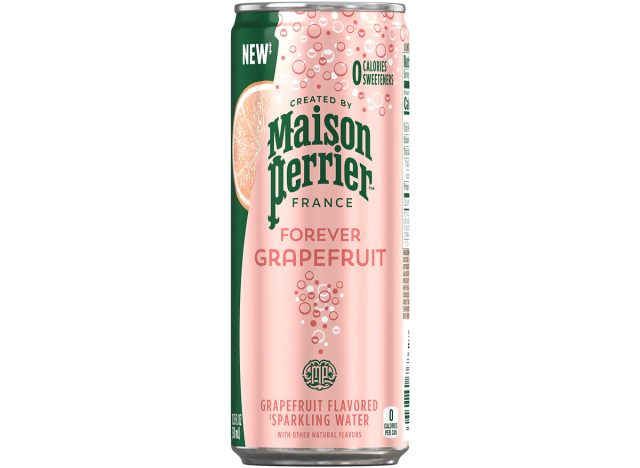
Calories: 0
Sodium: 0 mg
Carbs: 0 g (Sugar: 0 g)
Caffeine: 0 mg
Sweeteners: none
Perrier is one of the other brands on this list that is made from mineral water. While this option does not contain any sodium, it does have a small amount of calcium as part of its mineral content. With a handful of fruit-flavored sparkling water, Maison Perrier is known for its French heritage and zero-calorie beverages.
GT’s Synergy Raw Kombucha
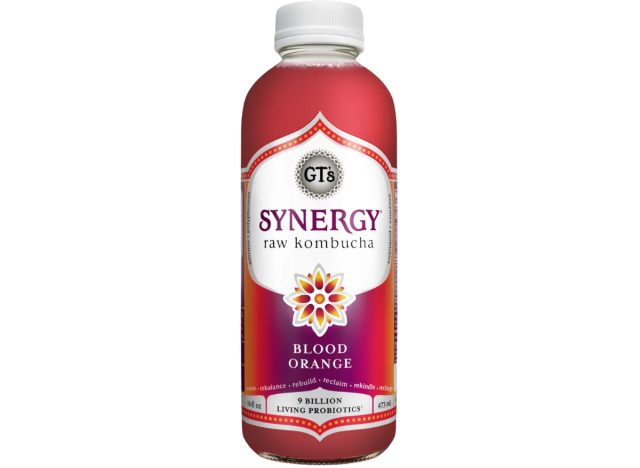
Calories: 50
Sodium: 10 mg
Carbs: 12 g (Sugar: 12 g)
Caffeine: 0 mg
Sweeteners: Cold-Pressed Blood Orange Juice
Kombucha drinks have become popular over the last decade due to their probiotic content. GT’s Synergy Raw Kombucha boasts benefits like replenished gut health and immune health boost while providing a light effervescence. Synergy kombuchas don’t contain any added sugar; instead, they get their natural sweetness from fruit juice used during the fermentation process for the probiotics.
Izze
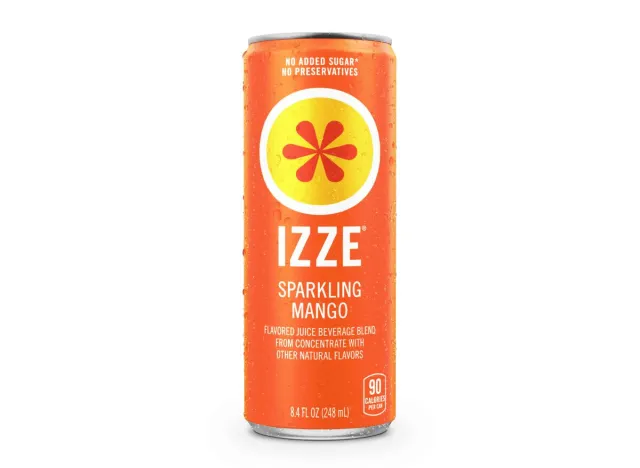
Calories: 70
Sodium: 10 mg
Carbs: 16 g (17 g sugar)
Caffeine: 0 mg
Sweeteners: Apple Juice Concentrate, Clarified Mango Juice Concentrate (zero “added” sugar)
Although Izze drinks contain more calories and carbs than most others on this list, the sweetness comes from fruit juice rather than added sugar. Izze drinks are 30% sparkling water and 70% fruit juice, making them sweeter than other sparkling waters while still providing fewer carbs than soda.
RELATED: 13 Discontinued Coca-Cola Drinks You’ll Never See Again
HOPLARK Sparkling Water
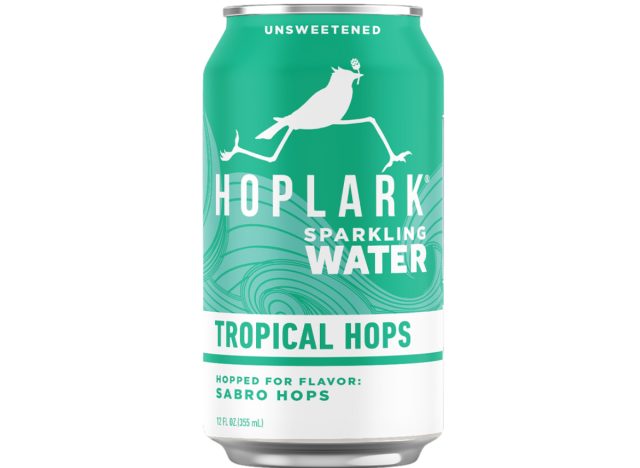
Calories: 0
Sodium: 0 mg
Carbs: 0 g (Sugar: 0 g)
Caffeine: 0 mg
Sweeteners: none
Another sparkling water flavored with hops, HOPLARK notes a flavor profile of tropical fruit and vanilla, and comes in a few hop-centric flavor profiles. You won’t find overtly fruit-flavored drinks here, rather the varieties of hops used is what provides the unique notes.
DRAM
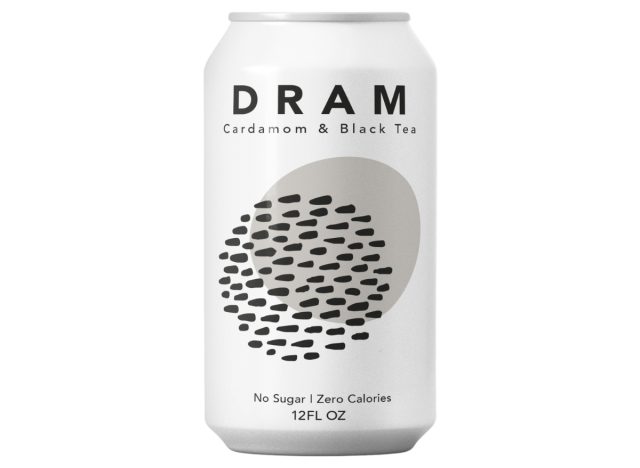
Calories: 0
Sodium: 0 mg
Carbs: 0 g (Sugar: 0 g)
Caffeine: 0 mg
Sweeteners: none
DRAM sparkling water drinks are notable for their unique flavors and come with a variety of plant “boosters.” For example, you can get CBD sparkling water that also contains adaptogens. DRAM notes that CBD-infused sparkling water may offer daily stress management for the mind and body.
hella cocktail co.
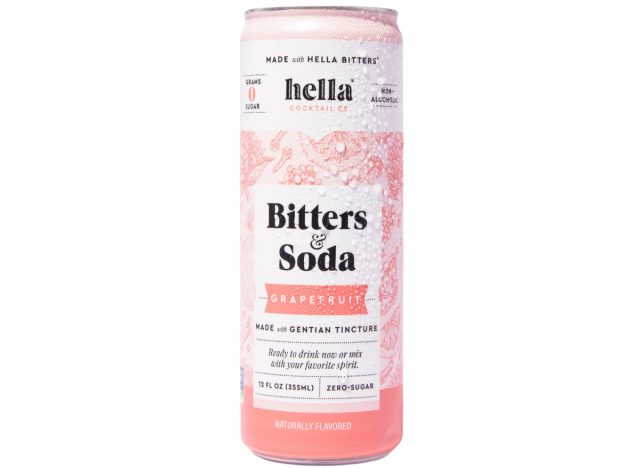
Calories: 5
Sodium: 0 mg
Carbs: 1 g (Sugar: 0 g)
Caffeine: 0 mg
Sweeteners: none
hella cocktail co. makes healthy sodas known for their strong carbonation, along with no added sugar or sweeteners. With unique flavor notes from the bitters, including cinnamon and clove, this drink lends to a far different flavor profile than many others on this list. Although aromatic bitters are an ingredient, you won’t find any alcohol in this drink.
Polar Seltzer
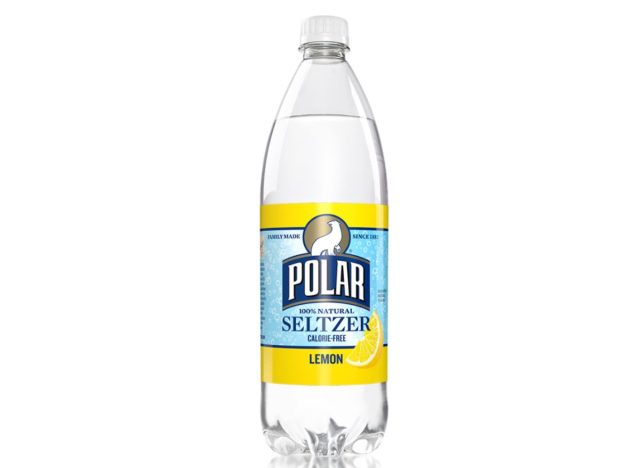
Calories: 0
Sodium: 0 mg
Carbs: 0 g (Sugar: 0 g)
Caffeine: 0 mg
Sweeteners: none
Sometimes a nice, crisp lemon seltzer is just what you need on a warm day. Seltzers don’t contain any added minerals, which is why many people think they taste like natural spring water. With a long list of flavor options, Polar Seltzer make it easy to swap out soda for a zero-sugar alternative.
Why Trust Eat This, Not That!?
Eat This, Not That! is committed to creating high-quality content that you can trust to be accurate, properly researched, routinely reviewed, and updated with the latest information. Our writers, editors, and medical and/or certified experts consider this to be an unwavering promise we make to our readers in the pursuit of delivering impactful and meaningful content.
The post 26 Healthy Soda Alternatives Dietitians Love appeared first on Eat This Not That.
]]>The post 6 ‘Diet’ Foods Sabotaging Your Weight-Loss Goals appeared first on Eat This Not That.
]]>While marketed as foods and drinks that aid in weight loss, many diet options make it more challenging to lose weight for a variety of reasons. Some contain ingredients that appear to increase appetite and cravings, while others may be so void of nutrients that you end up over-eating to feel satiated. Just because a product has fewer calories than similar foods and drinks doesn’t mean it is automatically a healthy food or ideal for weight loss. Read on to learn more about six diet foods that are making it harder to lose weight.
Diet Drinks

Regular soda and juice are loaded with sugar and can pack nearly 200 calories in a single-serve container. So, diet drinks that contain zero calories may seem like a good choice for weight loss, but in reality, they may have the opposite effect. That’s because of the zero-calorie sweeteners used to sweeten these drinks.
In fact, one study noted increased activity in the brain regions that are responsible for food cravings and appetite after consuming sucralose (which you may see under the brand name Splenda). So even though you’re not consuming calories or added sugar when you drink a diet soda, your body reacts as if you are, leaving you hungry and craving more sugar.
Whether you see sucralose or Splenda in the ingredient list of your favorite diet drink, think again before taking a sip. Healthy sodas made with stevia are great alternatives to traditional diet sodas.
RELATED: 14 ‘Diet’ Foods That Are Actually Unhealthy for You
Low-Fat Yogurt
In the ’90s, a surge of manufactured low-fat products hit the shelves. You could find low-fat cookies, ice cream, chips, and more. One of the most popular items to emerge was low-fat yogurt. Although removing most of the natural fat from yogurt makes it a lower-calorie option, many manufacturers add sugar to the yogurt to compensate for the flavor lost by reducing the fat content.
Even with added sugar, low-fat flavored yogurt may result in a lower-calorie option than full-fat yogurt; however, the added sugar may slow weight loss. Research has noted a positive association between increased added sugar intake and weight gain. Other low-fat yogurts may be sweetened with sucralose instead of sugar, causing its own weight loss challenges.
Instead, choose plain yogurt and add natural sweetness from fruit or honey. If you prefer a sweetened yogurt, choose an option with less than 5 grams of added sugar or one sweetened with stevia.
RELATED: The 11 Best Yogurts for Weight Loss, According to Dietitians
Veggie Chips
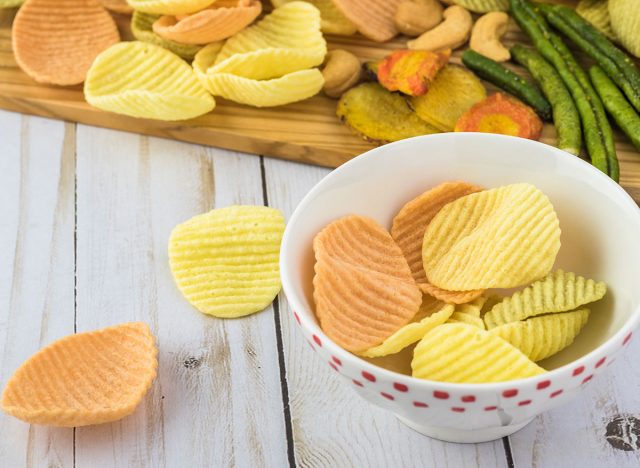
These popular chips—often with faint green, red, and orange hues—have gained popularity as a healthier alternative to regular chips. While they may provide fewer calories per serving compared to traditional chips, they may not satisfy your craving as well. That could lead to overeating as you look for satisfaction from your food, resulting in a high calorie intake.
Additionally, veggie chips and other low-fat options are not as filling as regular chips because they have few fat grams. Although veggie chips and similar products aren’t inherently unhealthy, it may be best to have a single serving of the real deal when you’re craving something salty. For healthier chips for weight loss, look for options with at least 1 gram of fiber per serving, and portion out your serving instead of eating straight from the bag to lessen your chances of overeating.
Protein Bars
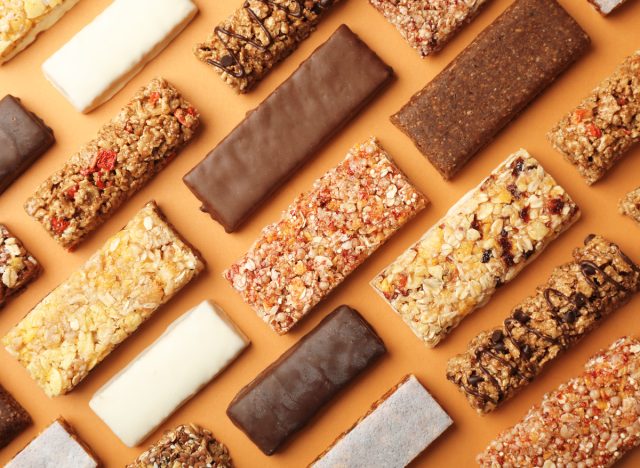
Sometimes marketed as a convenient meal replacement, protein bars may also be a source of hidden sugar and a surprisingly high-calorie count. It may be true that protein bars can serve as a convenient meal or snack, but replacing whole-ingredient foods with a processed bar may not be the best option for weight loss. Packing a meal’s worth of calories into a food that requires only a few bites can be far less satisfying than a small meal that includes a variety of flavors and textures and a larger volume of food. That is in addition to the added sugar and low fiber content often seen with protein bars.
If you like the convenience of protein bars, look for options that support weight loss with fewer than 200 calories and minimal added sugar. Pair them with a fruit or vegetable to incorporate more filling fiber into your meal or snack.
RELATED: 10 Protein Bars That Are Actually Unhealthy
Low-Fat Peanut Butter
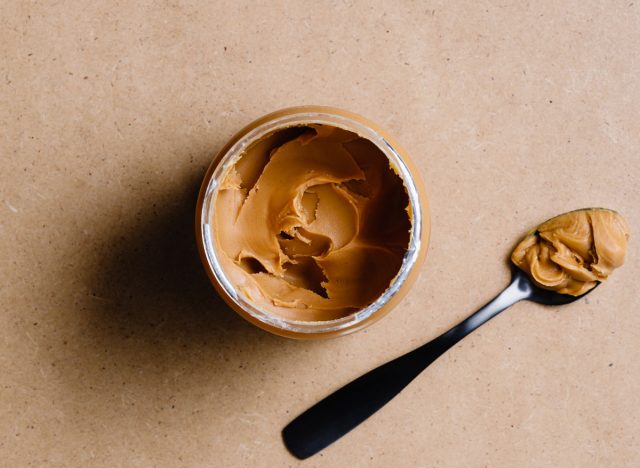
This superfood is loaded with protein and healthy fats but has received a bad rap over the years for being “fattening.” Because of this, manufacturers started making low-fat peanut butter to appeal to those trying to lose weight. However, there is only a difference of a few calories between low-fat and regular peanut butter. That’s because low-fat options often have more added sugar to compensate for the flavor loss.
This is another case where you are better off having the real deal. Look for healthy nut butters without added sugar and monitor your portion to make it work in your weight-loss diet.
RELATED: 22 Healthiest Peanut Butters, According to Dietitians
Pre-Made Smoothies and Shakes
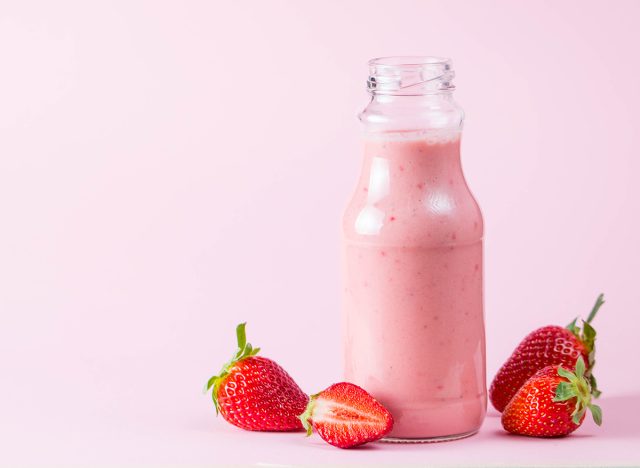
Packaged smoothies and shakes may provide a reasonable number of calories, but the balance of their nutrients may make weight loss more challenging. This is especially true for options containing added sugar and minimal protein, fat, and fiber. The sugar content (associated with weight gain) combined with a lack of filling nutrients in these smoothies can make it harder to lose weight.
Luckily, balanced, pre-made smoothies are available that can aid in your weight loss journey. Look for options with at least 15 grams of protein per serving and fewer than 5 grams of added sugar. Even better, options that contain fiber promote satiety and allow you to feel fuller.
Why Trust Eat This, Not That!?
Eat This, Not That! is committed to creating high-quality content that you can trust to be accurate, properly researched, routinely reviewed, and updated with the latest information. Our writers, editors, and medical and/or certified experts consider this to be an unwavering promise we make to our readers in the pursuit of delivering impactful and meaningful content.
The post 6 ‘Diet’ Foods Sabotaging Your Weight-Loss Goals appeared first on Eat This Not That.
]]>The post 12 Best High-Protein Frozen Meals, According to Dietitians appeared first on Eat This Not That.
]]>High-protein frozen meals are not only convenient, but they’re also more filling thanks to the protein. This essential nutrient plays a crucial role in muscle and tissue repair, recovery, and maintenance, while also helping you feel fuller for longer.
As registered dietitians, we’ve put together a list of the best high-protein frozen meals and provided expert tips on how to shop for nutritious, protein-packed options. Read on, and for more, don’t miss Here’s Exactly How I Eat Over 100 Grams of Protein Every Day.
How We Chose Healthy High-Protein Frozen Meals
Not all frozen meals are created equally, and the options that made our best list had to meet the following criteria:
- Provide at least 20 grams of protein per serving. While this may not be enough to meet everyone’s needs, it is a sufficient amount for most people. For those who desire more protein in their meals, consider adding rotisserie chicken, cheese, or edamame to your frozen meal.
- Contain fewer than 500 calories per meal. There are frozen meals that pack loads of protein, but they often contain a high calorie count. Each meal we chose provided fewer than 500 calories, an amount that works for most people’s needs. For those who prefer fewer calories in a meal, skip half of the starch provided in your frozen meal to drop calories without sacrificing much protein.
- Feature a moderate amount of sodium. One nutrient you’ll often hear about in relation to frozen meals is sodium. While sodium is an essential nutrient, too much may be hazardous to your health. You will find a wide range of sodium contents in frozen meals, and choosing a number appropriate for you is based on your activity level and health status, amongst other factors. Choosing meals under 500 milligrams of sodium is a good rule of thumb for many, although is not a must, especially if you are able to keep your sodium content throughout the rest of the day relatively low.
- Provide a non-starchy vegetable. In order for a meal to make our list, it had to contain a vegetable. Unfortunately, many frozen meals don’t provide much in the way of non-starchy vegetables, leaving them lacking in important nutrients. To make your meals even more nutrition, consider adding additional frozen or fresh veggie to your frozen meal.
The Best High-Protein Frozen Meals
- Kevin’s Parmesan Basil Chicken
- Healthy Choice Power Bowls Adobo Chicken
- Trader Joe’s Chicken Burrito Bowl
- Healthy Choice Café Steamers Chicken Fettuccini Alfredo
- Healthy Choice Simply Steamers Southwest-Style Chicken Burrito Bowl
- Lean Cuisine Chicken & Broccoli Alfredo Balance Bowl
- Vital Cuisine Vermont White Cheddar Mac & Broccoli Bowl
- Scott & Jon’s Shrimp Alfredo
- Daring Penne Primavera Plant Chicken Bowl
- Frontera Chicken Fajita Bowl
- Purple Carrot Plant-Based Meatball Marinara
- Kevin’s Thai-Style Coconut Chicken
Kevin’s Parmesan Basil Chicken
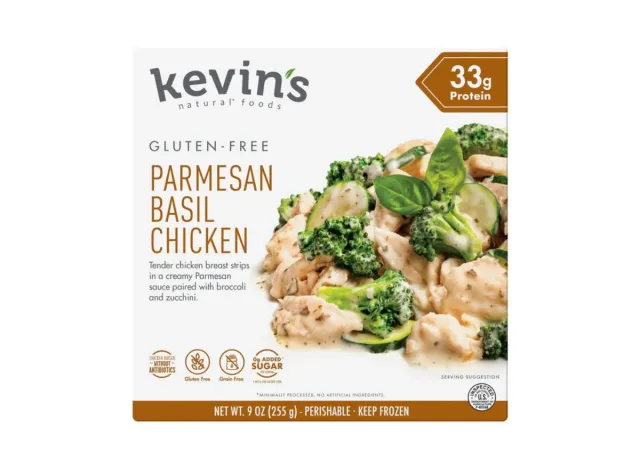
Calories: 250
Fat: 10 g (Saturated Fat: 5 g)
Sodium: 630 mg
Carbs: 6 g (Fiber: 1 g, Sugar: 2 g)
Protein: 33 g
This protein-packed meal is a great option for those who prefer a low-carb style of eating. At only 250 calories, this can be eaten on its own for a light meal, or paired with brown rice to create a well-rounded option. Top with diced tomatoes for additional veggies, and you have a flavor and protein-packed meal.
RELATED: A Dietitian’s #1 High-Protein Dinner Recipe for Weight Loss
Healthy Choice Power Bowls Adobo Chicken
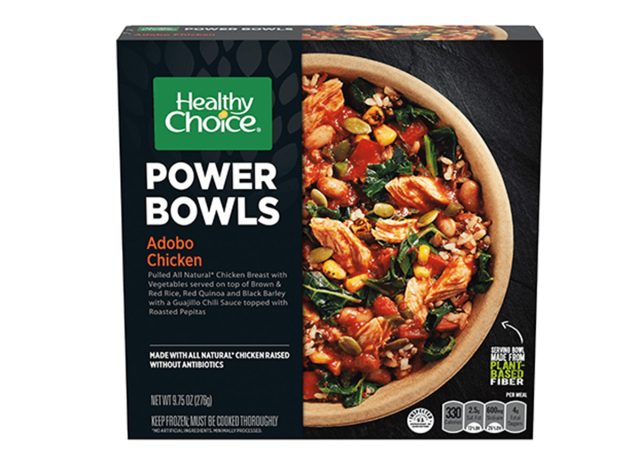
Calories: 330
Fat: 8 g (Saturated Fat: 2.5 g)
Sodium: 600 mg
Carbs: 38 g (Fiber: 8 g, Sugar: 4 g)
Protein: 26 g
Not only does this meal pack plenty of protein, but it also provides 8 grams of filling fiber. The veggies, quinoa, and rice allow it to pack so much fiber, along with an array of vitamins and minerals. At 330 calories, it can be eaten on its own, topped with avocado for healthy fats, or combined with additional corn and peas to boost carb, calories, and fiber.
RELATED: 15 Best High-Protein, High-Fiber Recipes To Keep You Full
Trader Joe’s Chicken Burrito Bowl
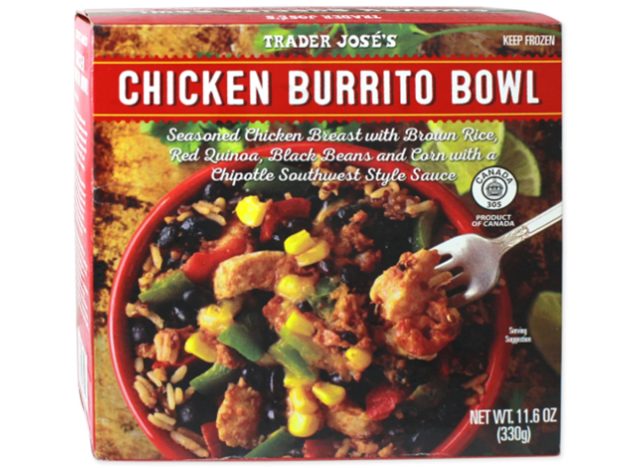
Calories: 370
Fat: 10 g (Saturated Fat: 4.5 g)
Sodium: 630 mg
Carbs: 51 g (Fiber: 9 g, Sugar: 2 g)
Protein: 22 g
This meal also has the second highest fiber content of the high-protein frozen meals on our list. At 9 grams of fiber, it provides more than a third of an adult’s daily need. It provides zero added sugar and a variety of veggies, including peppers, corn, and tomatoes. Simply boost your veggie intake by adding a serving of frozen mixed veggies to your bowl. This will create a hearty meal for few extra calories.
Healthy Choice Café Streamers Chicken Fettuccini Alfredo
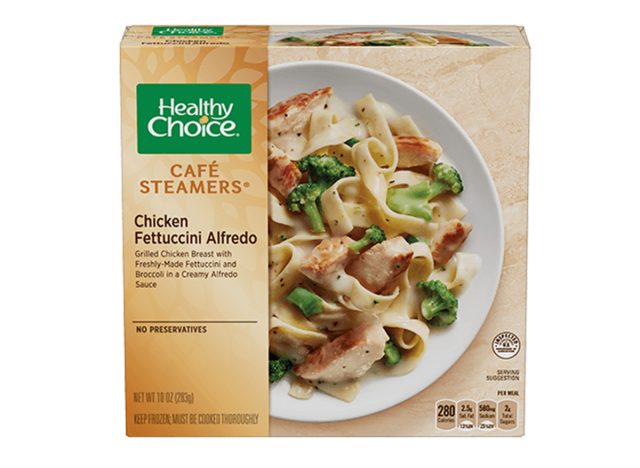
Calories: 280
Fat: 8 g (Saturated Fat: 2.5 g)
Sodium: 580 mg
Carbs: 31 g (Fiber: 4 g, Sugar: 2 g)
Protein: 21 g
Who would have thoughts you’d see a fettuccini alfredo dish on a healthiest list?! At just under 300 calories, this meal provides a reasonable portion of food with plenty of protein. You’ll get a few grams of fiber from the noodles and broccoli in this dish, but adding in additional broccoli or frozen peas would boost the nutrients in this meal while keeping calories low.
Healthy Choice Simply Streamers Southwest-Style Chicken Burrito Bowl
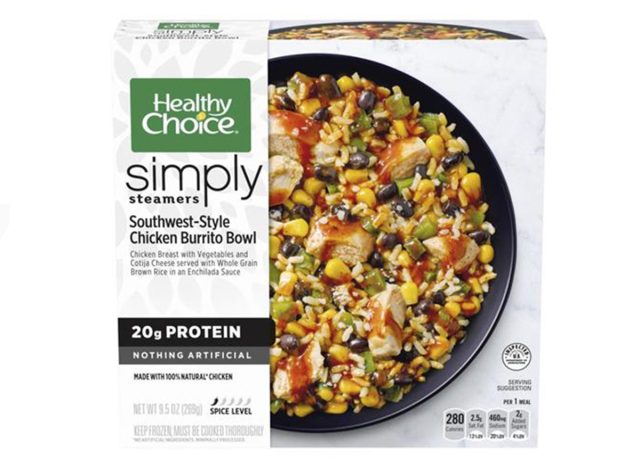
Calories: 280
Fat: 6 g (Saturated Fat: 2.5 g)
Sodium: 460 mg
Carbs: 36 g (Fiber: 6 g, Sugar: 6 g)
Protein: 20 g
Healthy Choice has made frozen meals for decades. Although original varieties may have been lacking in protein, they have plenty of options available today with over 20 grams of protein. This option also provides the veggie and fiber content we like to see, along with a flavorful enchilada sauce and a sprinkle of cheese. Add additional cheese for more protein, or a dollop of plain Greek yogurt as a sour cream alternative.
RELATED: The 6 Healthiest Greek Yogurts, According to Dietitians
Lean Cuisine Chicken & Broccoli Alfredo Balance Bowl
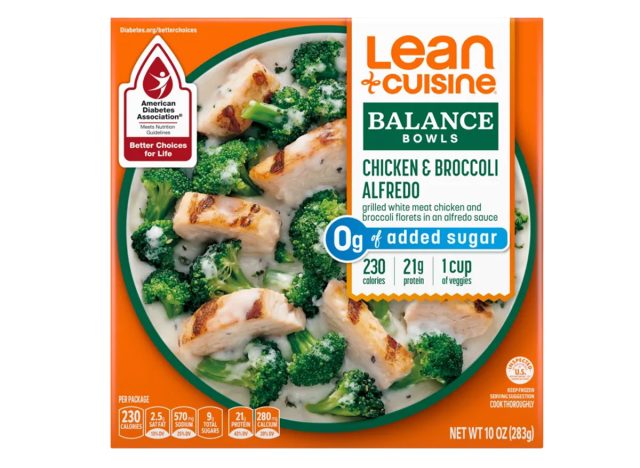
Calories: 230
Fat: 8 g (Saturated Fat: 2.5 g)
Sodium: 570 mg
Carbs: 19 g (Fiber: 4 g, Sugar: 9 g)
Protein: 21 g
Although you won’t find any noodles in this alfredo dish, it provides only 19 grams of carbs making it a good choice for those watching their carbohydrate intake. You’ll even get 4 grams of fiber along with 21 grams of protein, making it a filling option. It is only 230 calories, which may not be enough for some people, so consider adding a side salad to incorporate more healthy fats and veggies into this meal.
RELATED: 15 High-Protein Salad Recipes for Weight Loss
Vital Pursuit Vermont White Cheddar Mac & Broccoli Bowl
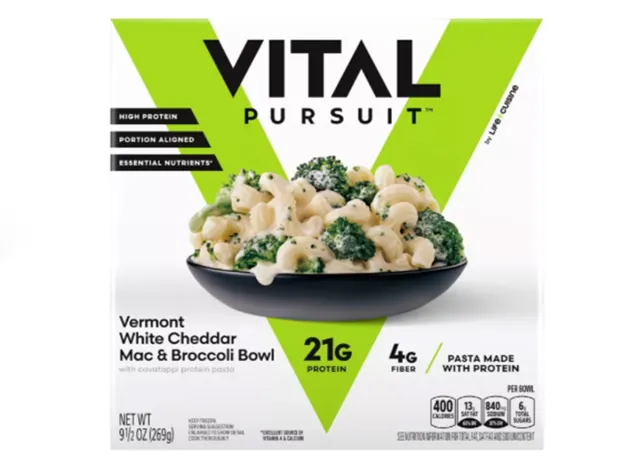
Calories: 400
Fat: 20 g (Saturated Fat: 13 g)
Sodium: 840 mg
Carbs: 34 g (Fiber: 4 g, Sugar: 6 g)
Protein: 21 g
At 400 calories, this meal provides the third highest count of the meals on our list. Luckily, 400 calories is still a reasonable amount for a meal, and should work for many people’s energy needs. For 400 calories, you’ll also get 21 grams of protein in an indulgent cheesy mac and cheese dish. Bonus: you won’t find any added sugar, or artificial flavors or colors in this meal, making it a good meal option. It does provide a higher amount of sodium than the other meals on our list, so balance that out by choosing lower sodium foods throughout the rest of the day.
Scott & Jon’s Shrimp Alfredo
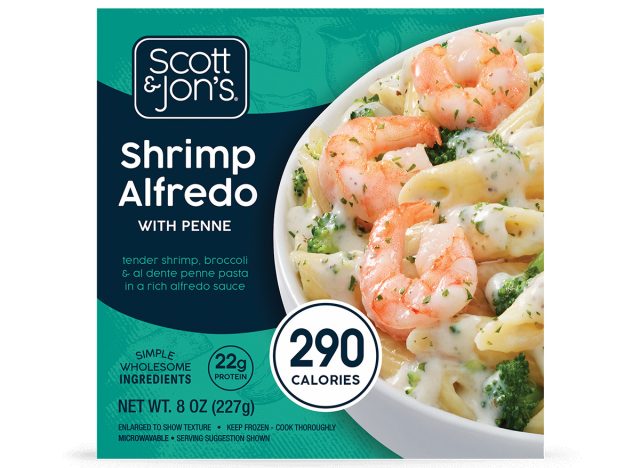
Calories: 290
Fat: 5 g (Saturated Fat: 3 g)
Sodium: 630 mg
Carbs: 37 g (Fiber: 2 g, Sugar: 4 g)
Protein: 22 g
As the only shrimp option on our list, this meal still packs plenty of protein and is a great choice for those who limit meat and poultry. It packs 22 grams of protein for fewer than 300 calories and only 5 grams of fat. Although this meal contains broccoli, the fiber content is slightly low. Boost this number by adding in your own frozen broccoli.
RELATED: Smoothies vs. Protein Shakes: Which Is Better for Weight Loss?
Daring Penne Primavera Plant Chicken Bowl
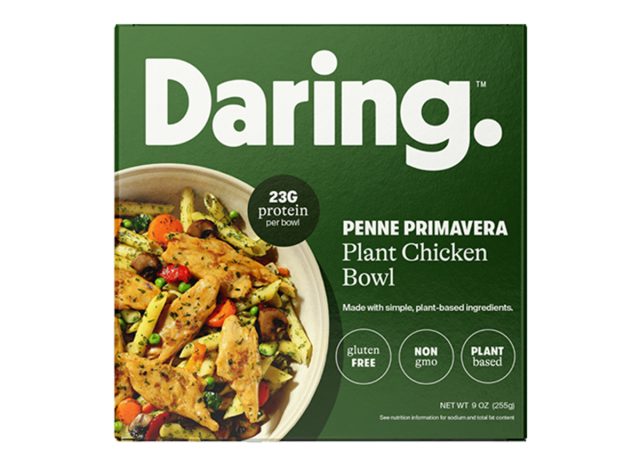
Nutrition (Per meal):
Calories: 460
Fat: 21 g (Saturated Fat: 4 g)
Sodium: 760 mg
Carbs: 45 g (Fiber: 18 g, Sugar: 3 g)
Protein: 23 g
With 460 calories, this meal has the highest count on our list. However, that number comes along with 23 grams of protein and a whopping 18 grams of fiber. Although it does provide 3 grams of added sugar, that is a reasonable number considering the nutritional benefits of this meal. This meal is made with plant-based protein and is gluten-free. This makes it a hearty vegetarian option that also works for those monitoring gluten in their diets.
Frontera Chicken Fajita Bowl
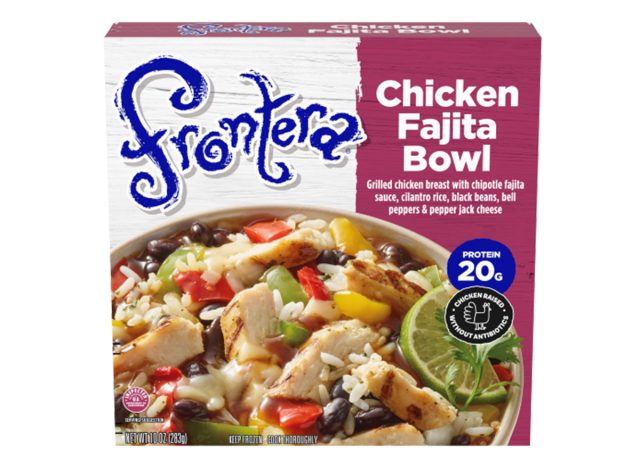
Nutrition (Per meal):
Calories: 300
Fat: 7g (Saturated Fat: 3 g)
Sodium: 950 mg
Carbs: 38 g (Fiber: 5 g, Sugar: 8 g)
Protein: 20 g
A flavor packed meal for only 300 calories can be hard to come by. This option combines chipotle fajita sauce with chicken, rice, beans, and veggies to provide 20 grams of protein and 5 grams of fiber. Top with some sliced avocado or guacamole for a boost of healthy fats and fiber. Go easy on salt the rest of the day to balance out the 950 milligrams in this meal. Although high for a single meal, it still provides less than 50% of the daily recommendation.
Purple Carrot Plant-Based Meatball Marinara
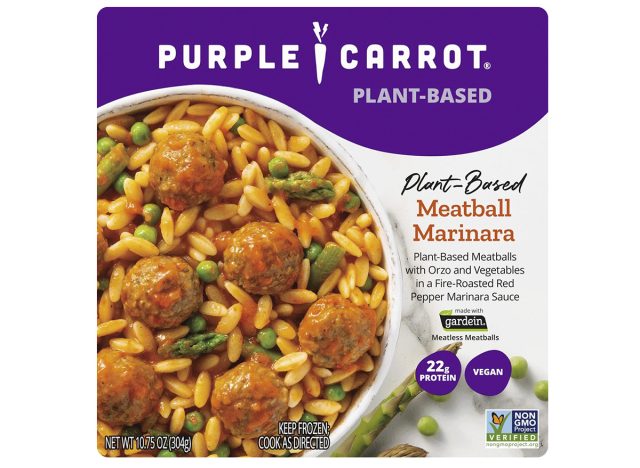
Calories: 440
Fat: 16 g (Saturated Fat: 2 g)
Sodium: 1,070 mg
Carbs: 53 g (Fiber: 6 g, Sugar: 9 g)
Protein: 21 g
Another plant-based option on our list, this Purple Carrot meal still packs plenty of protein despite being vegan. You’ll also get 6 grams of fiber from the orzo, veggies, and plant-based meat, making it a well-rounded option. It does pack the most sodium of the meals on our list, but you can leave some sauce behind to lower this number and also monitor your sodium the rest of the day to stay under the recommended intake of 2,300 milligrams.
Kevin’s Thai-Style Coconut Chicken
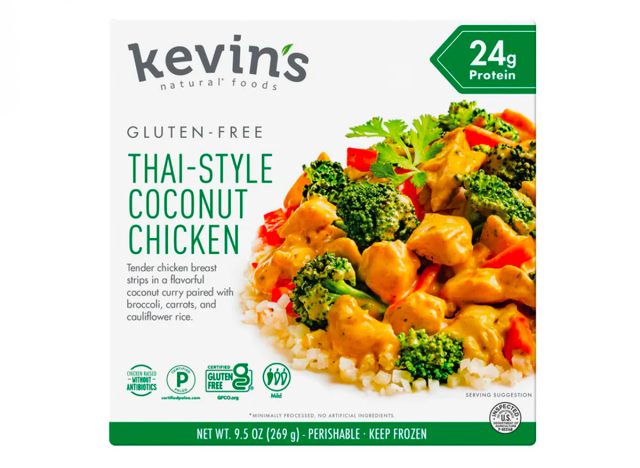
Nutrition (Per meal):
Calories: 240
Fat: 10 g (Saturated Fat: 8 g)
Sodium: 440 mg
Carbs: 12 g (Fiber: 3g, Sugar: 6 g)
Protein: 24 g
Another low-carb option on our list, you’ll still get 24 grams of filling protein from this meal. This dish swaps traditional rice for cauliflower rice to maintain a lower carb count, and contains a flavorful coconut curry sauce you’ll love. Serve as is, with additional veggies, or topped with crushed peanuts for additional healthy fats, protein, and fiber.
Why Trust Eat This, Not That!?
Eat This, Not That! is committed to creating high-quality content that you can trust to be accurate, properly researched, routinely reviewed, and updated with the latest information. Our writers, editors, and medical and/or certified experts consider this to be an unwavering promise we make to our readers in the pursuit of delivering impactful and meaningful content.
The post 12 Best High-Protein Frozen Meals, According to Dietitians appeared first on Eat This Not That.
]]>The post 12 Best Costco Frozen Foods for Weight Loss appeared first on Eat This Not That.
]]>When weight loss is your goal, there are a few factors that can help you decipher which frozen foods to bring home:
- Individually portioned items are helpful. Whether you’re buying a serving of meat, a sandwich, or an entire meal, single-serving packages can help you stick to a reasonable portion.
- Limit fried options. While some of these can fit into a weight-loss diet, most of them will add excess empty calories without being very filling.
- Watch for added sugar. Desserts and entrees are both culprits, so look at the nutrition facts panel before adding an item to your basket. Savory foods with sauces are an especially sneaky source of sugar.
When in doubt, when it comes to what to buy in the frozen food section, load up on fruits, veggies, and lean protein. These options are always available, and you can typically find a variety of foods in each category. This can lead to simple meals that satisfy you without the added sugar, salt, and preservatives in many frozen items.
Now, without delay, here are the best Costco frozen foods for weight loss.
Jimmy Dean Delights English Muffin, Turkey Sausage, Egg White & Cheese
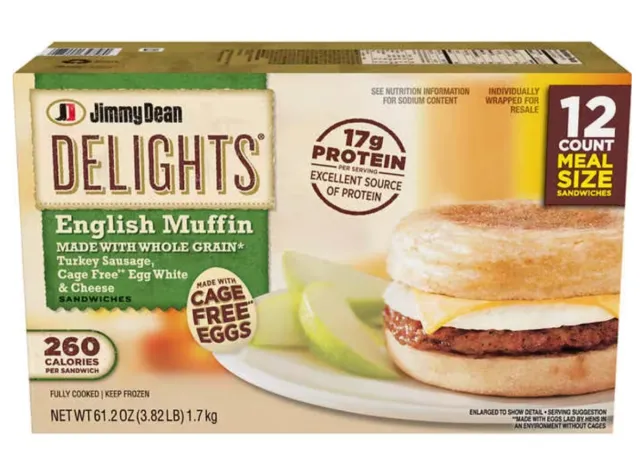
Calories: 260
Fat: 8 g (Saturated Fat: 3.5 g)
Sodium: 730 mg
Carbs: 32 g (Fiber: 2 g, Sugar: 3 g)
Protein: 17 g
For many, breakfast ends up being an afterthought because of time constraints. This can lead to skipping the meal altogether or grabbing a less nutritious option as you head out the door.
Enter, the Jimmy Dean Delights English Muffin, Turkey Sausage, Egg White & Cheese breakfast sandwich, which kicks off our list of the best Costco frozen foods for weight loss. This frozen “delight” offers a balanced meal of carbs, fat, and protein and even contains 2 grams of fiber. For only 260 calories, this makes for a well-rounded option that can suit your weight loss goals. Pair your sandwich with fruit to boost fiber and nutrients, and consider adding a spread of avocado for some healthy fats.
RELATED: Costco Shopper Lost 250 Pounds By Eating These 8 Foods
Frontera Chicken Fajita Bowl
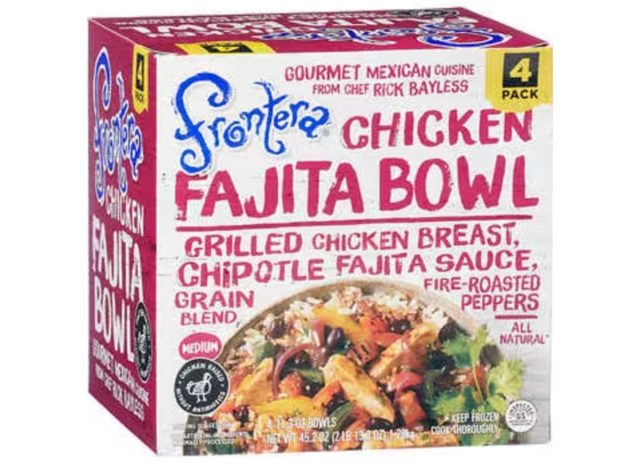
Calories: 260
Fat: 2.5 g (Saturated Fat: 0.5 g)
Sodium: 700 mg
Carbs: 36 g (Fiber: 8 g, Sugar: 8 g)
Protein: 22 g
The Frontera Chicken Fajita Bowl combines grilled chicken breast, chipotle fajita sauce, fire-roasted peppers, black beans, and a grain blend to make for a flavorful meal that simply needs to be heated in the microwave. Even better, it packs a mean protein punch and offers 8 grams of fiber. This combination makes for a truly satiating meal that’s less than 300 calories. You could incorporate some avocado to boost healthy fats and fiber, or add a dollop of sour cream or Greek yogurt for rich creaminess.
Yucatan Avocado Halves
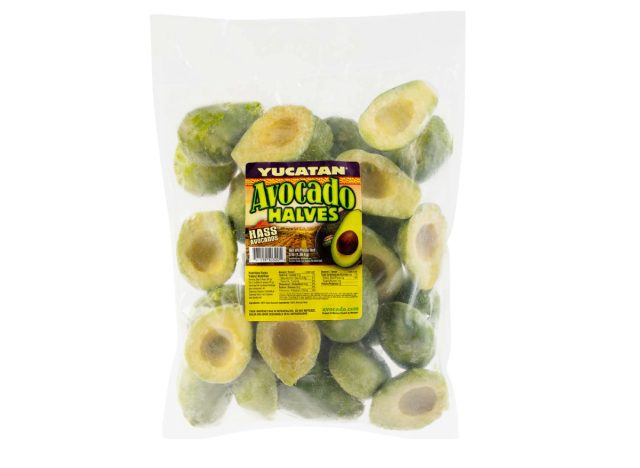
Calories: 40
Fat: 4.5 g (Saturated Fat: 0.5 g)
Sodium: 0 mg
Carbs: 3 g (Fiber: 2 g, Sugar: 0 g)
Protein: 0 g
Avocado can easily be incorporated into many types of meals and snacks. Spread it on toast for a hearty breakfast, add it to a smoothie, or top a salad for easy incorporation. These frozen avocado halves make it so easy to keep avocado on hand, and you don’t have to worry about your fresh avocado going bad too quickly. Avocado is known for its healthy fat content, which is a filling nutrient, but it also packs fiber. Per serving of these Yucatan Avocado Halves, you’ll get 2 grams of satiating fiber, helping to keep you full throughout the day.
RELATED: Costco Shoppers Love This Frozen Family Dinner: ‘I’m Obsessed!’
Kirkland Signature Three Berry Blend
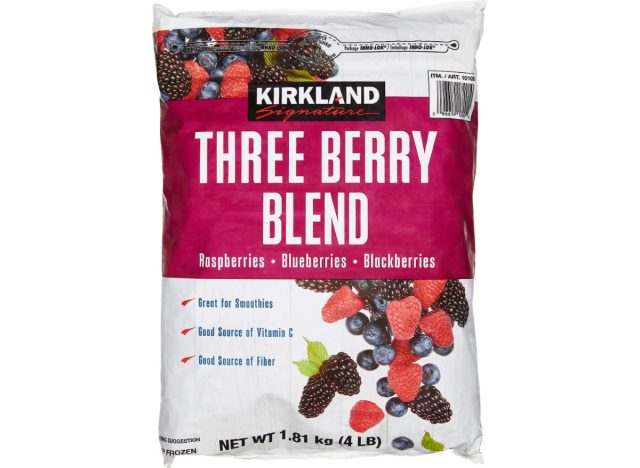
Calories: 70
Fat: 0 g (Saturated Fat: 0 g)
Sodium: 0 mg
Carbs: 16 g (Fiber: 5 g, Sugar: 10 g)
Protein: 2 g
Berries pack tons of vitamins, minerals, and antioxidants and are known for their fiber content. Unfortunately, fresh berries can go bad quickly, leaving you with unused fruit and money wasted. Frozen berries, such as those in the Kirkland Signature Three Berry Blend, are a great alternative that packs nearly the same nutrient profile. Add this frozen three-berry blend directly to a blender for a smoothie, or defrost and incorporate it into your oatmeal. You could even mash your defrosted berries and combine them with chia seeds to make a jam alternative that is lower in sugar and higher in fiber. Win, win!
Sandwich Bros Chicken Melt Flatbread Pocket Sandwiches
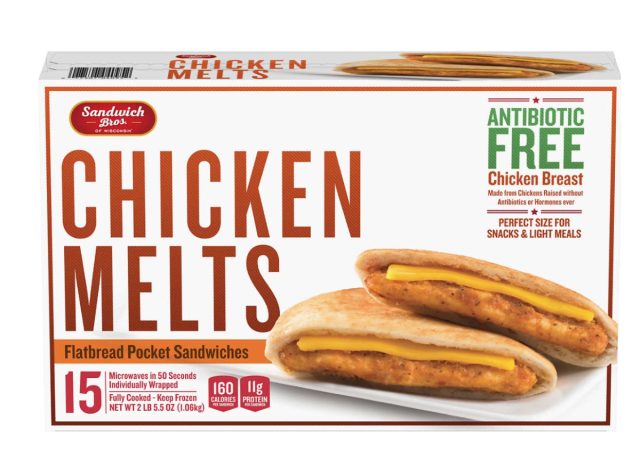
If you are looking for a simple lunch that doesn’t require much prep, look no further than Sandwich Bros Chicken Melt Flatbread Pocket Sandwiches. This simple sandwich combines white meat chicken and cheese inside of a pita pocket. The chicken is fully cooked, so you can defrost it and enjoy it chilled, or heat it in the microwave for a warm sandwich. One sandwich makes for a great stand-alone snack, or combine it with veggies, hummus, and a portion of fruit for a well-balanced meal.
RELATED: 7 Major Differences Between Costco & BJ’s
Kirkland Signature Stir Fry Vegetable Blend
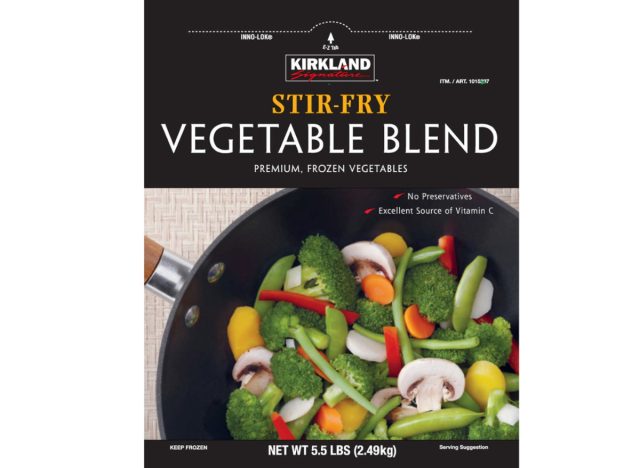
Vegetables are a nutrient-dense food loaded with fiber and micronutrients and contain few calories. This frozen Kirkland Signature Stir Fry Vegetable Blend is a combination of eight vegetables and contains no preservatives. This mix is considered to be an excellent source of vitamin C and can be used in many different ways.
Vegetables are a great way to create a full plate of food for few calories, and the fiber content makes for a filling meal. Combine them with cooked protein and soy sauce for traditional stir-fry flavors, add them to your grain bowl, or simply heat them and serve as a side dish with your favorite grilled meat.
RELATED: 10 Best Sam’s Club Frozen Foods for Weight Loss
Pierre Signature Grilled Chicken Sandwich
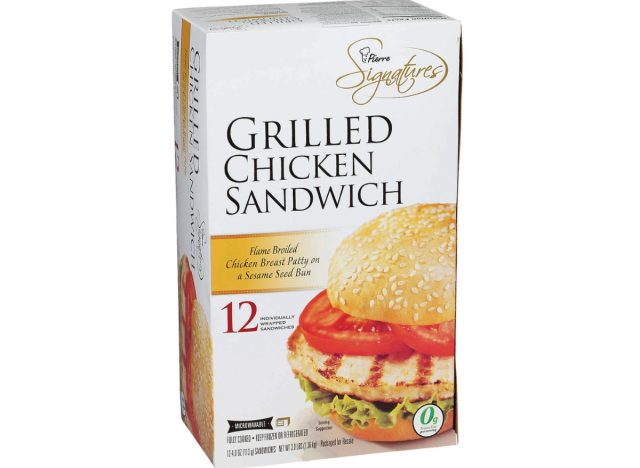
Calories: 290
Fat: 10 g (Saturated Fat: 2 g)
Sodium: 420 mg
Carbs: 36 g (Fiber: 1 g, Sugar: 7 g)
Protein: 14 g
Another option that makes for a quick meal, the Pierre Signature Grilled Chicken Sandwich is served on a sesame seed bun to create a great balance of protein, fat, and carbs. At under 300 calories, these sandwiches allow room to add nutritious toppings to make for a balanced option. Top with avocado to boost fiber and fat, or enjoy with a slice of cheese, sliced tomato, and lettuce for traditional grilled chicken sandwich flavors.
Kirkland Signature Wild Alaskan Sockeye Salmon
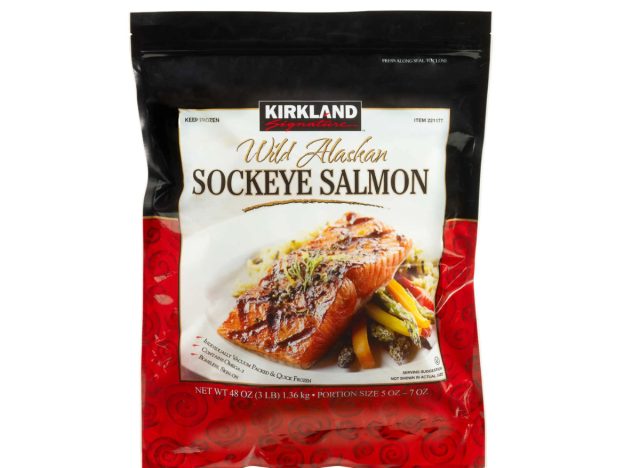
Salmon is a great source of protein and provides essential omega-3 fats. While protein is great for weight loss, the Kirkland Signature Wild Alaskan Sockeye Salmon is especially helpful as the fish comes individually packed in 5 to 7-oz portions. This helps with portion control and allows you to cook only as much as you need for a single meal.
If you want a smaller portion, simply split it in half and save part of the salmon for a later meal. However, a 5-oz portion is a hearty serving of filling protein to keep you full and satisfied.
RELATED: 25 Healthiest Frozen Meals on Grocery Shelves, According to Dietitians
Impossible Burger Patties Made From Plants
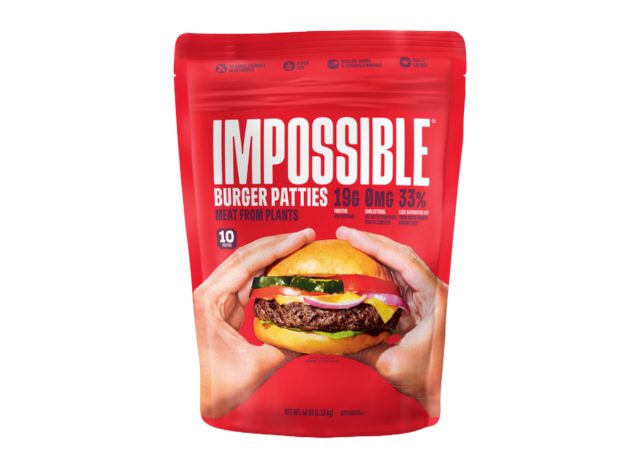
Calories: 230
Fat: 13 g (Saturated Fat: 6 g)
Sodium: 370 mg
Carbs: 9 g (Fiber: 5 g, Sugar: 0 g)
Protein: 19 g
Whether you follow a plant-based diet or simply enjoy the taste of meat alternatives, these Impossible Burger Patties are another great weight-loss option. Each patty provides nearly 20 grams of protein, making for a filling meal. Serve over a bed of lettuce, between a whole grain bun, or open-faced with your toppings of choice for a balanced meal. Compared to meat, these plant-based patties also provide 5 grams of fiber, making them especially filling.
Just Bare Lightly Breaded Chicken Breast Chunks
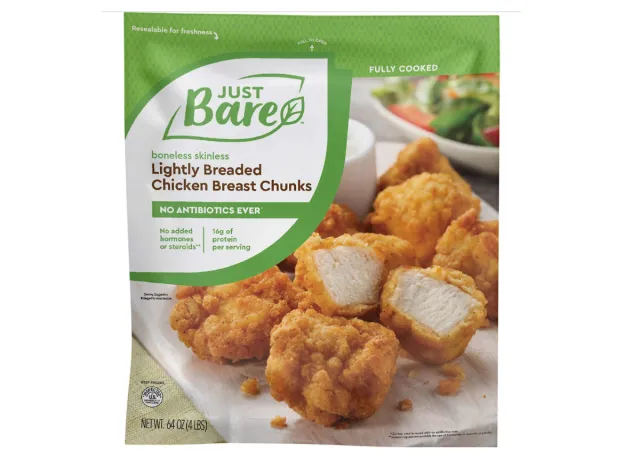
Calories: 160
Fat: 6 g (Saturated Fat: 1 g)
Sodium: 540 mg
Carbs: 9 g (Fiber: 0 g, Sugar: 2 g)
Protein: 16 g
Although breaded chicken is generally higher in calories and fat grams than grilled varieties, these Just Bare Lightly Breaded Chicken Breast Chunks maintain a reasonable nutrition profile. A 3-oz serving is only 160 calories while providing 6 grams of fat and 16 grams of protein. With only 1 gram of added sugar and a reasonable sodium count, these make for a much healthier chicken nugget alternative.
These would be great in a salad or served with a handful of raw veggies for a protein-packed snack. Just limit the dipping sauces, as those can be a source of empty calories and sugar.
Tyson Red Label Diced Chicken Breast
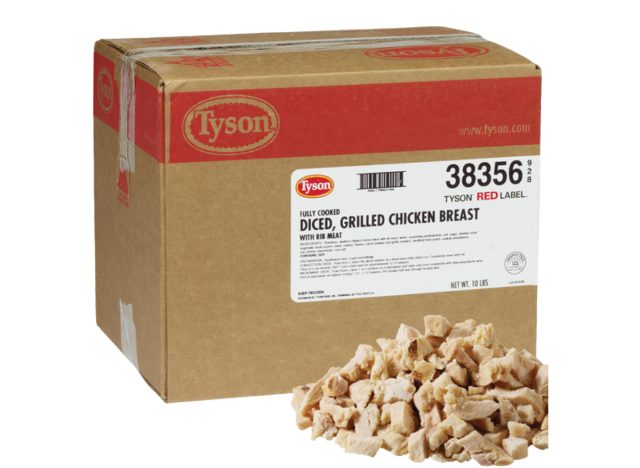
You’ve likely noticed by now that chicken is an excellent lean protein option for weight loss and maintaining a healthy diet. That’s what makes this Tyson Red Label Diced Chicken Breast so appealing; it’s incredibly versatile, so you can incorporate diced chicken into whatever you happen to be preparing, from egg white breakfast burritos to grain bowls.
Flav-R-Pac Broccoli Florets
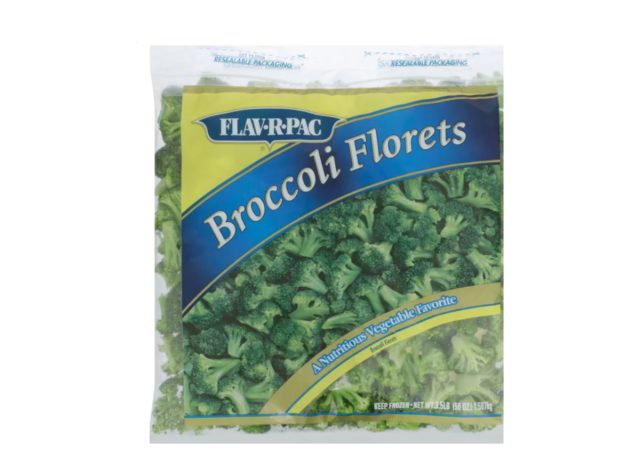
Calories: 20
Fat: 0 g (Saturated Fat: 0 g)
Sodium: 20 mg
Carbs: 4 g (Fiber: 3 g, Sugar: 1 g)
Protein: 2 g
Frozen broccoli is a freezer staple, so the next time you’re at Costco, be sure to add Flav-R-Pac Broccoli Florets to your cart. You can easily incorporate these florets into your morning omelet or lunch quiche or prepare them as a side dish for a lean protein dinner. The great thing about this green veggie is it’s low in calories (one cup of the florets is just 20 calories!) while providing a solid amount of fiber and protein to help you feel full.
The post 12 Best Costco Frozen Foods for Weight Loss appeared first on Eat This Not That.
]]>The post 6 Unhealthiest Greek Yogurts, According to Dietitians appeared first on Eat This Not That.
]]>Is Greek Yogurt Good For You?
Greek yogurt has an excellent nutritional composition and is also beloved for its unique texture and flavor. Here are some of the reasons why it’s generally considered a healthy addition to your diet:
- It’s high in protein: Greek yogurt is much higher in protein and has a thicker texture than traditional yogurts. It also happens to have a natural tanginess and is much more tart than the sugary yogurt you may be used to.
- It contains essential nutrients: Similar to other yogurts, Greek yogurt contains many essential nutrients; it is a source of B vitamins and the antioxidant selenium, and also contains calcium, potassium, and vitamin D.
- It contains healthy fats: Greek yogurt, especially the full-fat variety, provides beneficial fats like monounsaturated and polyunsaturated fats, which are linked to heart health. Recent studies suggest that dairy-derived saturated fats may not have the same negative impact as other sources, making moderate consumption part of a balanced diet.
How To Identify an Unhealthy Greek Yogurt
Next time you’re cruising the dairy aisle and looking at nutrition labels, here’s how you can determine whether a particular Greek yogurt may be an unhealthy choice:
- Pay attention to the sugar content. While there is some natural sugar in Greek yogurt due to its milk base, added sugar is a red flag. If your yogurt has more than 5 grams of added sugar per serving, leave it on the shelf.
- Avoid artificial sweeteners. Ingredients like sucralose and aspartame contribute zero calories to your yogurt, but they may be questionable for your health. If you see them listed, you may want to steer clear.
- Avoid yogurts without live cultures. The healthy bacteria in yogurt, also known as probiotics, are referred to as live cultures. Probiotics serve numerous functions in your body and are used to turn milk into yogurt. However, processing practices can kill the bacteria. Greek yogurts that lack live and active cultures also lack the probiotics you want in a yogurt.
The 6 Worst Greek Yogurt Brands
- Cabot Triple Cream Vanilla Bean Greek Yogurt
- Chobani® Flip® Cookie Dough
- Oikos Remix Coco Almond Chocolate Nonfat Greek Yogurt
- Dannon Light + Fit Greek Crunch Peanut Butter Delight
- Fage Total 2% Mixed Berries
- The Greek Gods Strawberry With Honey Flavored Greek Yogurt
Cabot Triple Cream Vanilla Bean Greek Yogurt
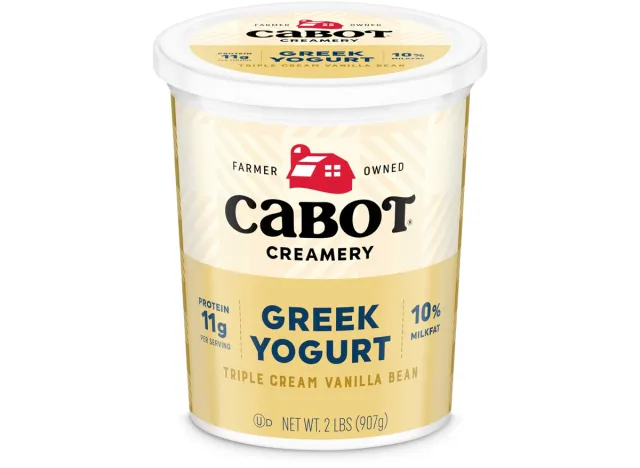
Calories: 260
Fat: 13 g (Saturated Fat: 8 g)
Sodium: 65 mg
Carbs: 26 g (Fiber: 0 g, Sugar: 21 g)
Protein: 11 g
Amongst the worst Greek yogurts on our list, you’ll find sugar content to be much higher compared to better-for-you options. This yogurt option, Cabot Triple Cream Vanilla Bean Greek Yogurt, holds true to that characterization with the highest sugar content on this list. Not to mention, it also contains 13 grams of fat, 8 of which are saturated. Eating too much of this type of fat can raise cholesterol levels and increase your risk for heart disease and stroke.
RELATED: The 6 Healthiest Greek Yogurts, According to Dietitians
Chobani Flip Cookie Dough
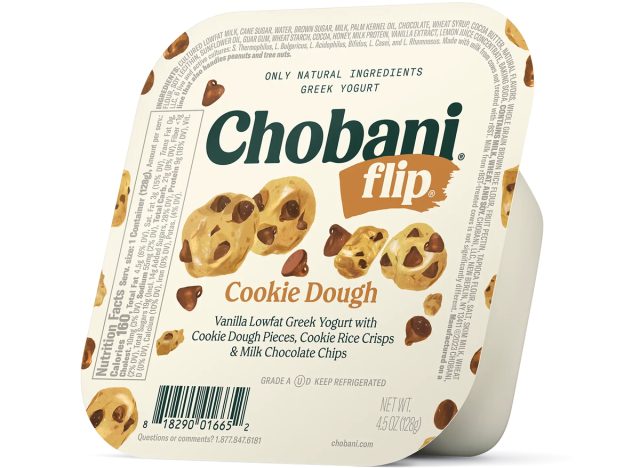
Calories: 160
Fat: 4.5 g (Saturated Fat: 3 g)
Sodium: 55 mg
Carbs: 21 g (Fiber: <1 g, Sugar: 19 g)
Protein: 9 g
If your Greek yogurt comes with toppings or mix-ins, it likely has added sugar. With a high sugar content and the lowest protein amount on this list, you’re better off skipping Chobani® Flip® Cookie Dough. Instead of this option, go with the Chobani Zero Sugar line and add your own toppings, like fresh fruit and nuts to avoid added sugar.
RELATED: 25 Unhealthiest Greek Yogurts—Ranked by Sugar Content
Oikos Remix Coco Almond Chocolate Nonfat Greek Yogurt
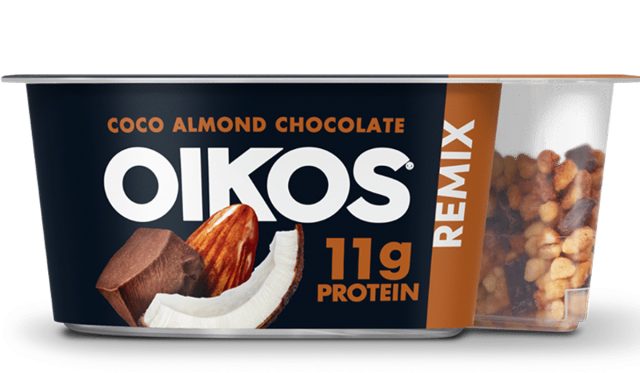
Calories: 140
Fat: 4 g (Saturated Fat: 1.5 g)
Sodium: 60 mg
Carbs: 16 g (Fiber: <1 g, Sugar: 13 g)
Protein: 11 g
With 13 grams of total sugar and 9 grams of added sugar, Oikos Coco Almond Chocolate Yogurt Remix makes our “worst” list. Some of the sugar in yogurt occurs naturally from milk, but you should keep an eye out for added sugar. This nutrient could increase your risk of diabetes, CVD, certain cancers, and other chronic diseases if consumed in too high amounts. Swap this flavored option for a plain variety, or the Triple Zero line.
RELATED: The 12 Best Yogurt Brands—and 3 To Avoid
Dannon Light + Fit Greek Crunch Peanut Butter Delight
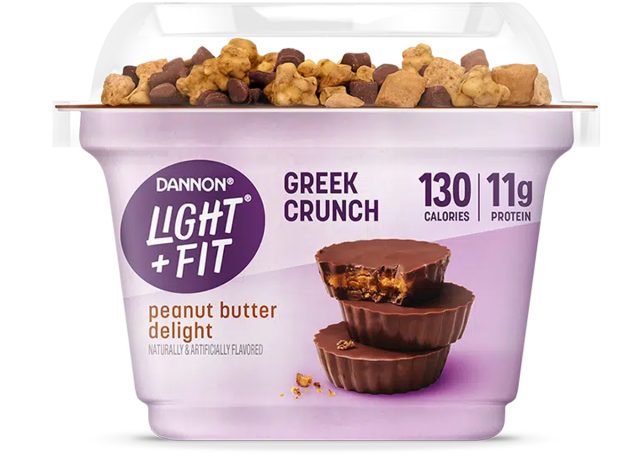
Calories: 130
Fat: 2.5 g (Saturated Fat: 1.8 g)
Sodium: 75 mg
Carbs: 14 g (Fiber: 0 g, Sugar: 11 g)
Protein: 11 g
Although the toppings in Dannon Light + Fit Greek Crunch Peanut Butter Delight no doubt add a nice texture, they also boost the sugar in this product to 11 grams. While some sugar can be part of a balanced diet, it is best to limit it as much as possible. Although 130 calories can fit well into a snack, you are better off swapping the candy topping for a homemade mix-in. Instead of peanut butter cups, add a drizzle of peanut butter to your plain yogurt with a small sprinkle of dark chocolate chips. This will be lower in sugar while providing similar flavors.
RELATED: Full-Fat vs. Nonfat Greek Yogurt: What’s Better for Weight Loss?
FAGE Total 2% Mixed Berries Greek Yogurt
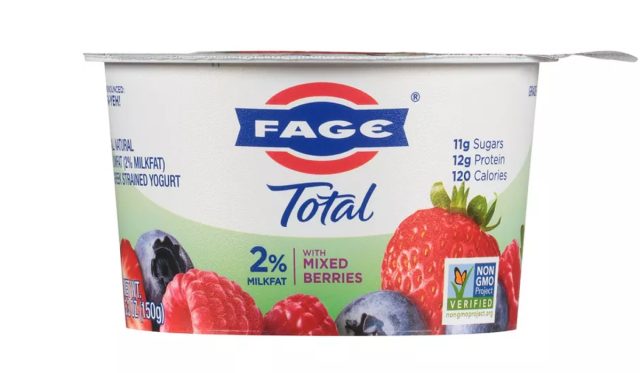
Calories: 120
Fat: 2.5 g (Saturated Fat: 1.5 g)
Sodium: 40 mg
Carbs: 13 g (Fiber: 0 g, Sugar: 11 g)
Protein: 12 g
Don’t let the fruit in FAGE Total 2% Mixed Berries fool you, it still comes along with 7 grams of added sugar. While not the highest on this list, added sugar is an empty source of calories that is unlikely to contribute to your feeling of fullness after eating. In fact, the second ingredient listed in the berry mixture is cane sugar, even before the actual fruit! Add your own fresh or frozen fruit when possible to boost nutrients without added sugar.
RELATED: 13 Healthiest Lactose-Free Yogurts, According to a Dietitian
The Greek Gods Strawberry With Honey Flavored Greek Yogurt ‘Style’
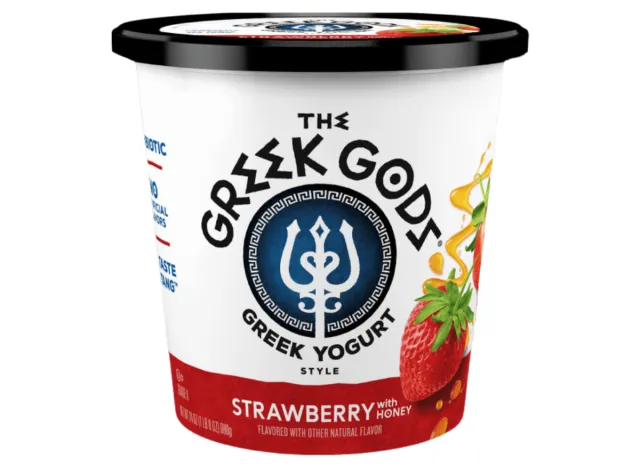
Calories: 210
Fat: 8 g (Saturated Fat: 5 g)
Sodium: 105 mg
Carbs: 25 g (Fiber: 0 g, Sugar: 23 g)
Protein: 7 g
At 210 calories and 23 grams of sugar per serving, skip adding The Greek Gods Strawberry With Honey Flavored Greek Yogurt to your grocery cart. Not only would a 210-calorie snack be too high for what many people need, but the 15 grams of added sugar from cane sugar, brown cane sugar, and honey, is equivalent to that found in about 3 teaspoons of sugar. This option is strawberry flavored—there’s no fruit in this yogurt at all. Although this yogurt’s label makes it seem like it’s a Greek yogurt, if you look more closely, you see that it’s Greek yogurt “style” likely because the 7 grams of protein is fairly low compared to most Greek yogurts.
Why Trust Eat This, Not That!?
Eat This, Not That! is committed to creating high-quality content that you can trust to be accurate, properly researched, routinely reviewed, and updated with the latest information. Our writers, editors, and medical and/or certified experts consider this to be an unwavering promise we make to our readers in the pursuit of delivering impactful and meaningful content.
The post 6 Unhealthiest Greek Yogurts, According to Dietitians appeared first on Eat This Not That.
]]>The post The 6 Healthiest Greek Yogurts, According to Dietitians appeared first on Eat This Not That.
]]>To help you navigate the dairy aisle, we’ve reviewed the top choices for healthy Greek yogurts and identified the best options you can buy.
Is Greek Yogurt Good For You?
Greek yogurt has gained popularity because of its stellar nutritional composition as well as its unique textural and flavor characteristics.
- High in Protein: Greek yogurt is much higher in protein and has a thicker texture than traditional yogurts. It also happens to have a natural tanginess and is much more tart than the sugary yogurt you may have grown up with.
- Contains Essential Nutrients: Similar to other yogurts, Greek yogurt contains many essential nutrients. This convenient meal and snack food is a source of B vitamins and the antioxidant selenium. It also contains calcium, potassium, and vitamin D.
- Contains Healthy Fats: Greek yogurt, especially the full-fat variety, provides beneficial fats like monounsaturated and polyunsaturated fats, which are linked to heart health. Recent studies suggest that dairy-derived saturated fats may not have the same negative impact as other sources, making moderate consumption part of a balanced diet.
How To Choose the Healthiest Greek Yogurt
When navigating the countless Greek yogurt options at the store, things can get tricky—especially because the flavors, toppings, and mix-ins will influence the amount of carbs and sugar. Here is how to narrow down the healthiest Greek yogurt picks.
- Check out the sugar content. While there is some natural sugar in Greek yogurt due to its milk base, added sugar should be limited. Look for fewer than 5 grams of added sugar per serving. The lower, the better.
- Avoid artificial sweeteners. Ingredients like sucralose and aspartame contribute zero calories to your yogurt, but they may be questionable for your health. Options made with monk fruit and stevia provide sweetness without any added calories or sugar and have less questionable research associated with them.
- Look for live cultures. The healthy bacteria in yogurt, also known as probiotics, are referred to as live cultures. Probiotics serve numerous functions in your body and are used to turn milk into yogurt. However, processing practices can kill the bacteria. Look for options with live and active cultures listed to ensure probiotic content.
Read on to learn more about the healthiest Greek yogurt brands, and if you’re wondering how these healthy Greek Yogurts taste, check out our taste test!
The 6 Best Greek Yogurt Brands
- Fage Total 5%
- Stonyfield Organic 100% Grassfed Greek Whole Milk Yogurt, Plain
- Two Good Plain
- Oikos Triple Zero Vanilla
- Chobani® Zero Sugar Vanilla
- The Greek Gods Plain Nonfat Yogurt
Fage Total 5%
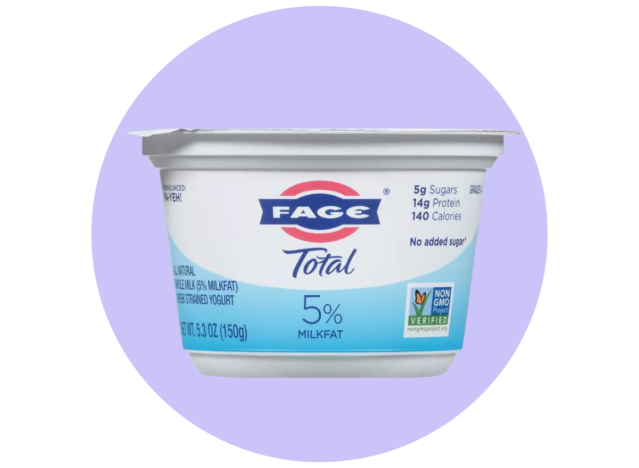
Calories: 140
Fat: 8 g (Saturated Fat: 5 g)
Sodium: 55 mg
Carbs: 5 g (Fiber: 0 g, Sugar: 5 g)
Protein: 14 g
Plain yogurt is a good selection because it does not contain any added sugar or artificial sweeteners. With 14 grams of protein per serving, Fage Total 5% makes for a no-prep protein source that can easily be incorporated into meals and snacks. While lower fat and non-fat options are available, the 5% milkfat option may be more filling as fat has some satiety value. However, if you want to save your fat grams for a nut topping, go with non-fat plain Greek yogurt instead.
RELATED: 9 Highest-Protein Yogurts on Grocery Store Shelves
Stonyfield Organic 100% Grassfed Greek Whole Milk Yogurt, Plain
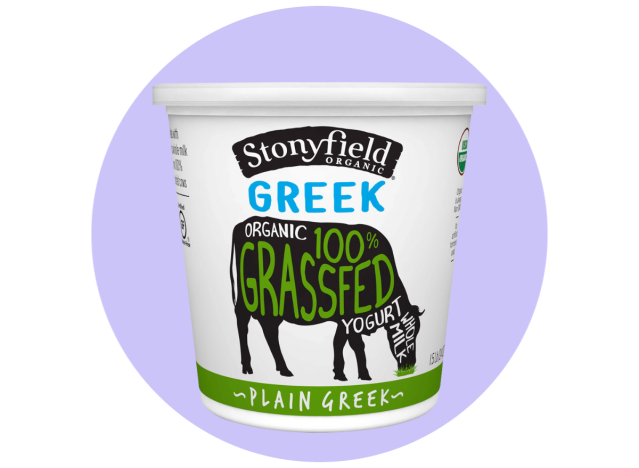
Calories: 150
Fat: 6 g (Saturated Fat: 3.5 g)
Sodium: 65 mg
Carbs: 7 g (Fiber: 0 g, Sugar: 5 g)
Protein: 16 g
Another whole milk option, Stonyfield Organic 100% Grassfed Greek Whole Milk Yogurt is made using milk from 100% grass-fed cows and is certified USDA organic. This means ingredients in this product have met the strict standards for the growing, processing, and handling of their products. While this doesn’t automatically make Greek yogurt a healthy option, it does emphasize natural processes and ingredients. No added sugar and high protein content also make this option an excellent choice.
Two Good Plain
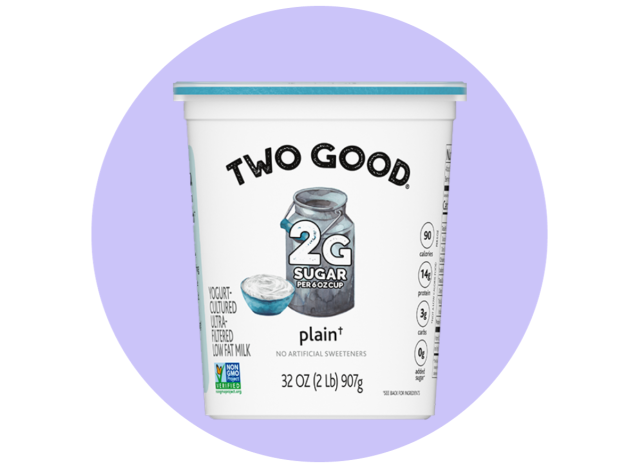
Calories: 90
Fat: 2 g (Saturated Fat: 1 g)
Sodium: 30 mg
Carbs: 3 g (Fiber: 0 g, Sugar: 2 g)
Protein: 14 g
With one of the lowest sugar contents on this list, Two Good Plain Greek Lowfat Yogurt makes a great option. This plain variety contains no added sugar and only 2 grams of natural sugar from the milk. If you prefer flavored options, this brand makes several options that are even lower in sugar than some plain Greek yogurt varieties. Fruit purees and stevia leaf provide sweetness in the flavored options without any added sugar.
RELATED: The 15 Best Low-Sugar Yogurts, Approved by Dietitians
Oikos Triple Zero Vanilla
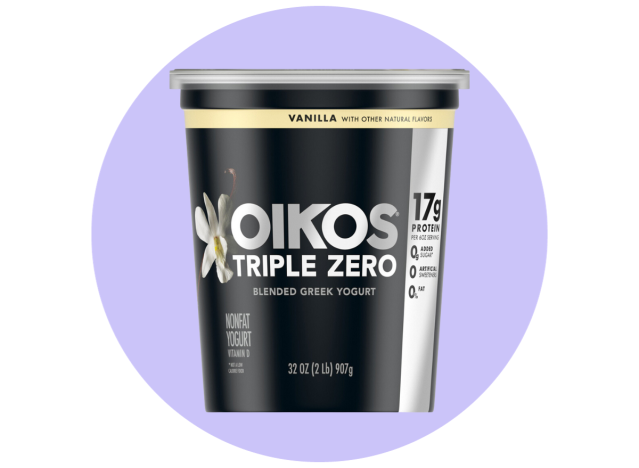
Calories: 100
Fat: 0 g (Saturated Fat: 0 g)
Sodium: 65 mg
Carbs: 8 g (Fiber: 0 g, Sugar: 6 g)
Protein: 17 g
At 17 grams per serving, Oikos Triple Zero Vanilla provides the most protein on our “best” list. Protein increases your feeling of fullness, helping this option make the list. This option contains stevia as a zero-calorie sweetener, providing sweetness without the sugar. Plus, zero grams of fat makes this a lower-calorie option compared to others. The Triple Zero line of Greek yogurts is made without any added sugar, and contains no artificial sweeteners and 0% fat.
Chobani® Zero Sugar Vanilla
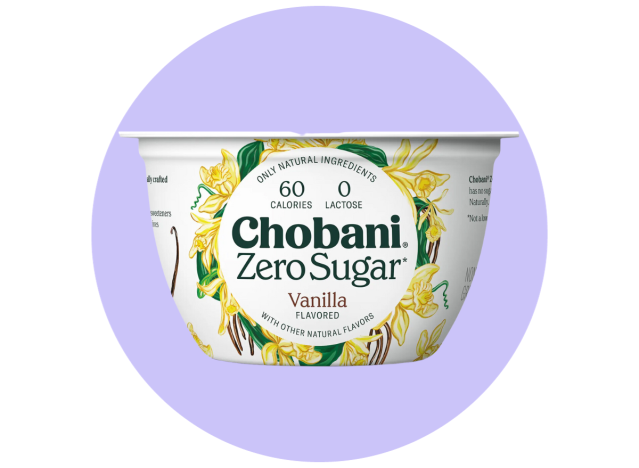
Calories: 70
Fat: 0 g (Saturated Fat: 0 g)
Sodium: 70 mg
Carbs: 6 g (Fiber: <1 g, Sugar: 0 g)
Protein: 13 g
Another non-fat option, the Chobani Zero Sugar line is made with no added sugar and no lactose. This allows for zero grams of sugar in the product. There are many flavors to choose from, many of which are fruit-based, while others will remind you of your favorite treats. Allulose and stevia provide the sweetness in this yogurt, both of which are sugar alternatives. At only 70 calories per serving, this variety still packs 13 grams of protein, making it a good option.
RELATED: Full-Fat vs. Nonfat Greek Yogurt: What’s Better for Weight Loss?
The Greek Gods Plain Nonfat Yogurt
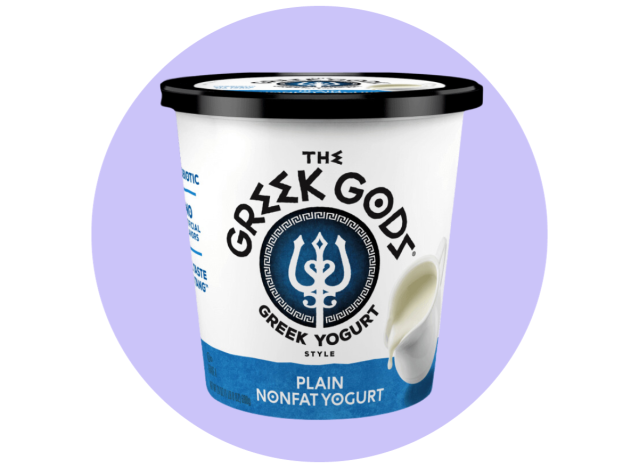
Calories: 100
Fat: 0 g (Saturated Fat: 0 g)
Sodium: 140 mg
Carbs: 14 g (Fiber: 0 g, Sugar: 12 g)
Protein: 10 g
Although this option has fewer grams of protein and more carbs than others in the “best” category, The Greek Gods Plain Nonfat Yogurt provides 25% of the daily value of calcium and is known for a less tangy flavor than other plain Greek yogurts. This flavor profile may appeal to more people, and 10 grams of protein per serving is a great amount for a snack and can contribute to a balanced meal.
Why Trust Eat This, Not That!?
Eat This, Not That! is committed to creating high-quality content that you can trust to be accurate, properly researched, routinely reviewed, and updated with the latest information. Our writers, editors, and medical and/or certified experts consider this to be an unwavering promise we make to our readers in the pursuit of delivering impactful and meaningful content.
The post The 6 Healthiest Greek Yogurts, According to Dietitians appeared first on Eat This Not That.
]]>