The post 14 Costco Snacks That Make Healthy Eating Delicious and Easy appeared first on Eat This Not That.
]]>Snackers are becoming savvier and more sophisticated and are looking for snacks that provide interesting flavor and texture combinations as well as good nutrition. One recent national survey reported that 55% of snackers want protein-rich options for their between-meal noshes and some 70% of millennial snackers surveyed are looking for sustained energy. Since nearly 1/3 of us regularly shop at a Costco warehouse club, it can be a great opportunity to stock up on healthier snacks. Here are 14 healthy Costco snacks to add to your shopping cart.
What makes a snack healthy?
The snacks that we considered dietitian-approved meet these criteria:
- Made from primarily wholesome ingredients, like whole grains, fruit, veggies and lean sources of protein;
- Up to 200 calories per serving;
- Provide positive nutrients such as protein, vitamins, minerals, fiber or phytonutrients; and
- Keep added sugars to no more than 10 grams (2.5 teaspoons) per serving.
RELATED: Costco Food Court Fans “Heartbroken” After $1.25 Favorite Discontinued
Kirkland Microwave Popcorn
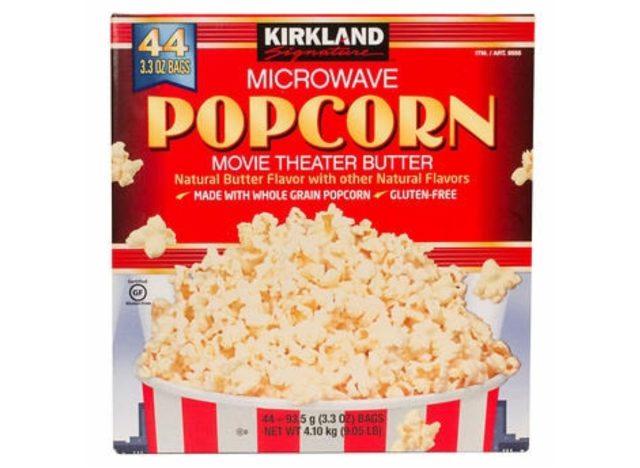
Calories: 35
Fat: 2.5 g (Saturated Fat: 1 g)
Sodium: 65 mg
Carbs: 3 g (Fiber: 0 g, Sugar: 2 g)
Protein: 0 g
Popcorn is a great snack because it’s a 100% whole grain food, and you can eat three cups and have just 105 calories. One study published in the journal Antioxidants found that antioxidant polyphenols were more concentrated in popcorn compared to fruits and vegetables. The large serving size and fiber in popcorn will help keep you satisfied so you’re less likely to overeat.
Chomps Original Beef Snacks
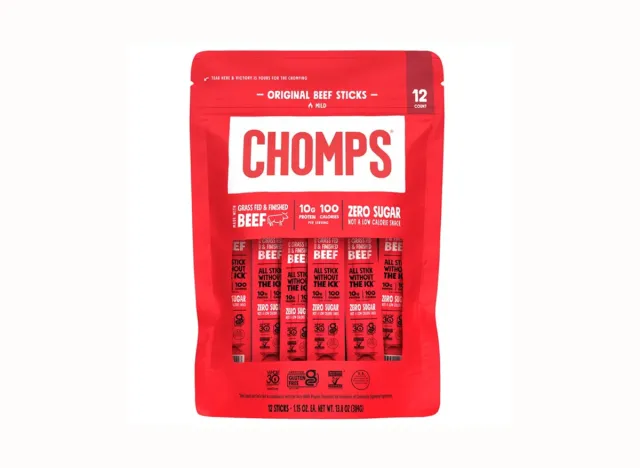
Nutrition (Per 1-ounce stick):
Calories: 100
Fat: 7 g (Saturated Fat: 3 g)
Sodium: 380 mg
Carbs: 0 g (Fiber: 0 g, Sugar: 0 g)
Protein: 10 g
This is a great snack option as the main ingredient is grass fed beef, making it source of high quality, complete protein. Each snack stick provides just 100 calories but 10 grams of protein. Despite being moderate in calories, this snack should help keep you full due to the protein count. Since the beef sticks are shelf-stable they’re a great way to get high-quality protein when you don’t have refrigeration.
Skinny Pop Popcorn

Calories: 100
Fat: 7 g (Saturated Fat: .5 g)
Sodium: 50 mg
Carbs: 10 g (Fiber: 2 g, Sugar: 0 g)
Protein: 1 g
This ready-to-eat popcorn comes in individual packages and is a great option as it’s 100% whole grain, has 2 grams fiber and has just 100 calories per package. Popcorn provides a satisfying crunch and has no added sugars.
Nature’s Garden Organic Trail Mix Snack Packs
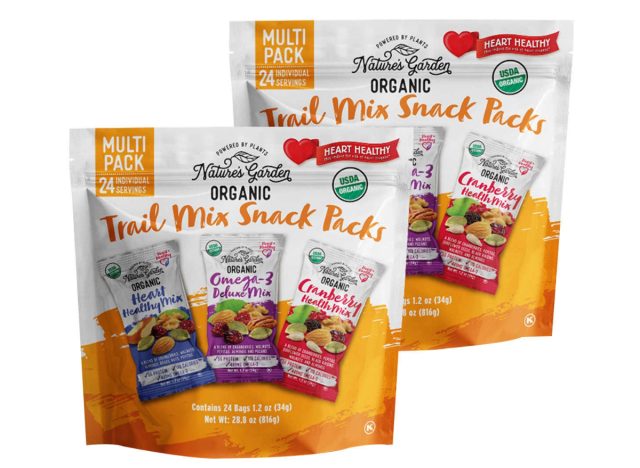
Calories: 170
Fat: 12 g (Saturated Fat: 1.5 g)
Sodium: 0 mg
Carbs: 13 g (Fiber: 2 g, Sugar: 9 g)
Protein: 5 g
This organic trail mix comes in single-serve packages and in three varieties – Omega Deluxe, Cranberry Health and Heart Healthy. They all contain a blend of dried fruit and nuts, including walnuts, Brazil nuts, almonds and pepitas and dried fruit like cranberries. Each flavor is a good source of plant-based omega-3 fatty acids which are important for a healthy heart, brain and eyes.
Wonderful Pistachios No Shells Variety Pack
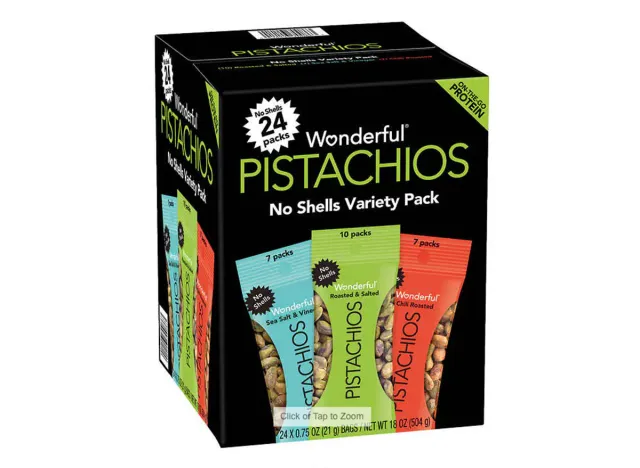
Calories: 120
Fat: 10 g (Saturated Fat: 1 g)
Sodium: 105 mg
Carbs: 6 g (Fiber: 2 g, Sugar: 2 g)
Protein: 5 g
This is one of my favorite snacks available at Costco. These packages have 24 individual packs of three varieties of pistachios — Roasted & Salted, Sea Salt & Vinegar and Chili Roasted. Nutritionally, I like that each package provides 5 grams of plant-based protein, which is considered complete because pistachios have all nine essential amino acids. What’s more, these packages are portion controlled, keep saturated fat low and the combination of unsaturated fat and protein will help keep you satisfied for longer.
RELATED: Every Single Thing on Costco’s Food Court Menu in 2025
Kirkland Organic Hummus Single-Serving Cups
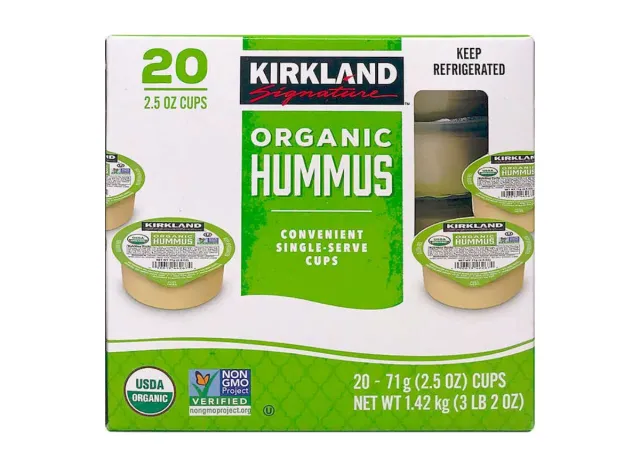
Calories: 170
Fat: 13 g (Saturated Fat: 1.5 g)
Sodium: 290 mg
Carbs: 11 g (Fiber: 3 g, Sugar: 1 g)
Protein: 4 g
With chickpeas as the main ingredient, plant-based hummus is a versatile and delicious snack that can help keep you satisfied, thanks to the fiber and protein it provides. Enjoy a single-serve container of this organic hummus with fresh veggies for a satisfying snack that packs in protein and fiber. A study published in the journal Nutrients reported that nutritious hummus can improve glucose control, helps control hunger and appetite, and it can help improve your overall diet by crowding out other foods that are rich in added sugars or saturated fat.
Kirkland Sunsweet Dried Plums
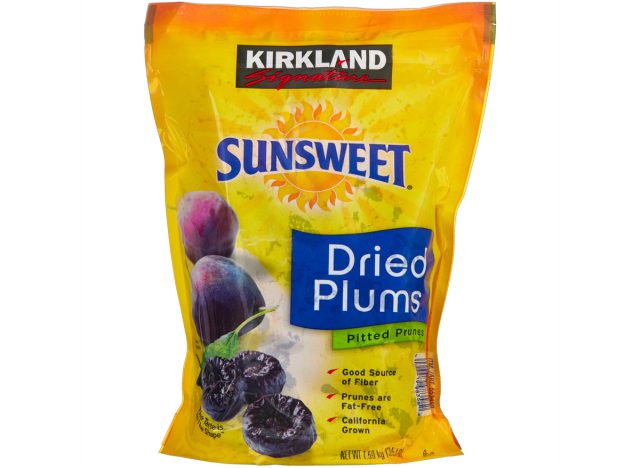
Calories: 100
Fat: 0g (Saturated Fat: 0 g)
Sodium: 0 mg
Carbs: 24 g (Fiber: 3 g, Sugar: 14 g)
Protein: 1 g
Dried plums (aka prunes) are one of the most nutritious fruits to enjoy because they provide beneficial phytonutrients that may help reduce the risk of chronic diseases, including heart disease, type 2 diabetes and they may improve bone health. One recent study published in the American Journal of Clinical Nutrition reported that postmenopausal women who enjoyed 50 grams of plums daily experienced higher bone mineral density compared to those who didn’t enjoy plums. They’re a perfect portable, shelf-stable snack that are rich in fiber and healthy carbohydrates and they have no added sugar.
BelVita Banana, Dark Chocolate and Sunflower Seed Energy Snack Bites
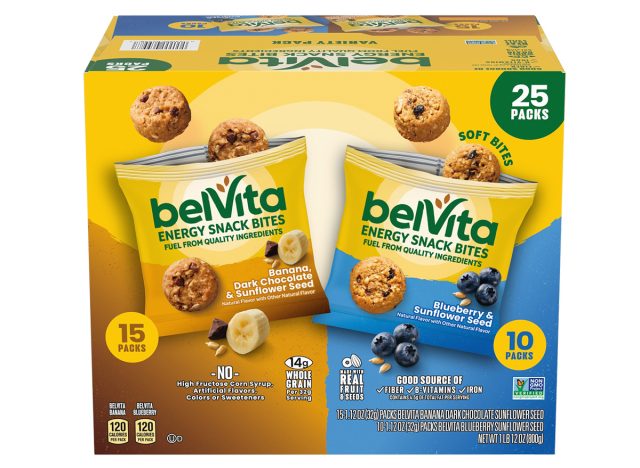
Calories: 120
Fat: 4.5g (Saturated Fat: 1 g)
Sodium: 105 mg
Carbs: 21 g (Fiber: 3 g, Sugar: 8 g)
Protein: 2g
These snacks are made with whole grains, have 3 grams of fiber and keep calories in check. They are a great option to keep on-hand when traveling, working or driving. They come in two great flavors, Banana, Dark Chocolate and Sunflower Seed and Blueberry Sunflower Seed.
That’s It Mini Fruit Bars
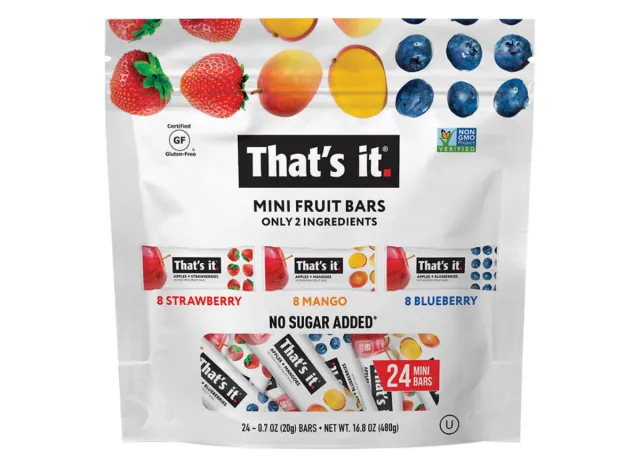
Calories: 60
Fat: 0g (Saturated Fat: 0 g)
Sodium: 15 mg
Carbs: 12 g (Fiber: 2 g, Sugar: 10 g)
Protein: 0g
These strawberry, mango and blueberry dried fruit bars are a great option as they are made with only two ingredients, and they have no added sugar nor any additives or preservatives. They are small, which helps keep the calories so low. They’re a perfect shelf-stable alternative to fresh fruit to keep in your car, office, luggage or gym bag so you can get some fruit when you’re on-the-go.
Kirkland Organic Hard-Boiled Eggs
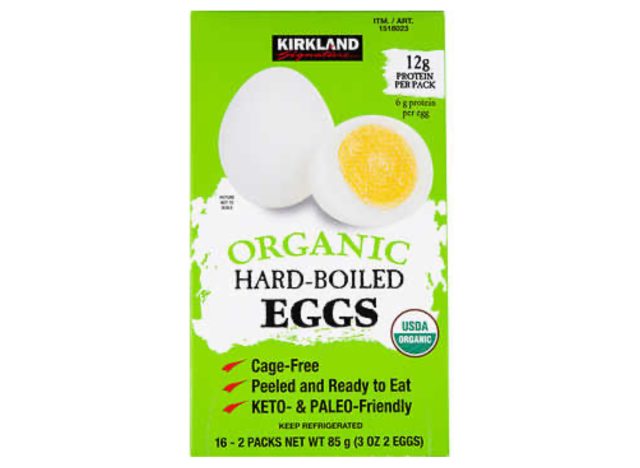
Calories: 68
Fat: 4g (Saturated Fat: 1.5 g)
Sodium: 60 mg
Carbs: 0 g (Fiber: 0 g, Sugar: 0 g)
Protein: 6g
Eggs are considered the gold-standard for high-quality protein as they contain all nine essential amino acids in a very digestible form. Having hard boiled eggs on-hand is a great option to ensure that your snack provides filling protein. One large egg has 70 calories and provides more than 13 essential nutrients, including iron, vitamin D, iron, zinc, lutein, zeaxanthin, and choline. Eggs also pack in six grams of high-quality protein and antioxidants.
Pure Protein Bars (variety pack, based on Chocolate Deluxe)
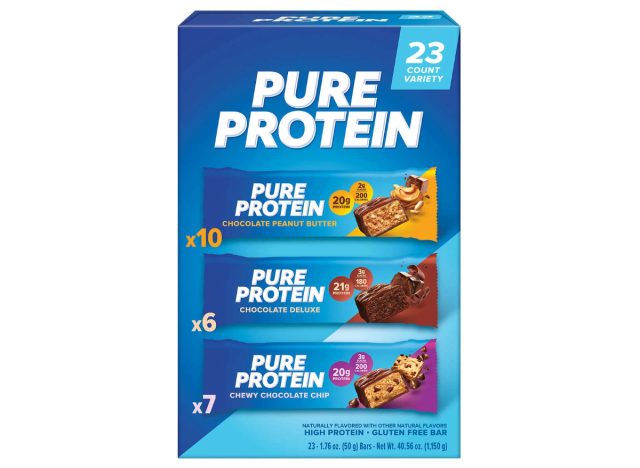
Calories: 180
Fat: 4.5 g (Saturated Fat: 3.5 g)
Sodium: 90 mg
Carbs: 17 g (Fiber: 2 g, Sugar: 3 g)
Protein: 21g
If you follow a low-carb lifestyle, these bars are a great option when you need a between-meal bites. The high-pro bars keep added sugars limited by using sugar alcohols for sweetness. The protein in these bars is a combination of soy, whey and casein. The bars are also fortified with calcium and each package comes with a combination of three flavors: Chocolate Peanut Butter, Chocolate Deluxe, and Chewy Chocolate Chip. The combination of protein and fiber in these bars will work synergistically to help tamp down hunger and cravings.
Kirkland Organic Signature Applesauce
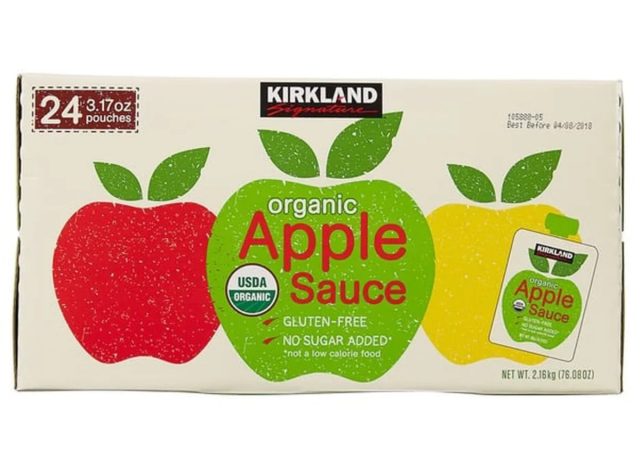
Calories: 45
Fat: 0 g (Saturated Fat: 0 g)
Sodium: 0 mg
Carbs: 10 g (Fiber: 0 g, Sugar: 8 g)
Protein: 0g
Applesauce made without added sugars is a great option to get fruit into your diet in a convenient, shelf-stable option. This organic applesauce is made with just two ingredients: organic apples and vitamin C. Each pouch provides 100% of the daily requirement for Vitamin C and it also provides potassium and there are no added sugars whatsoever. These are great to keep in your car or gym bag to grab when you need
Kirkland Chewy Peanut Butter & Semisweet Chocolate Chip Protein Bar
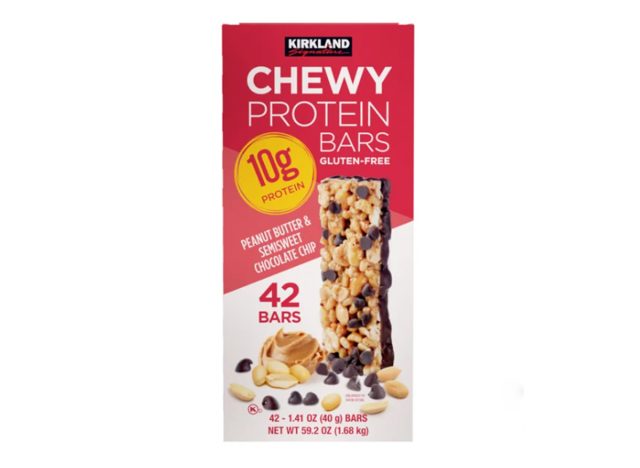
Calories: 190
Fat: 11 g (Saturated Fat: 3 g)
Sodium: 120 mg
Carbs: 16 g (Fiber: 6 g, Sugar: 6 g)
Protein: 10g
This store brand has done a good job of creating a less expensive protein bar to rival the major national brands. What I like about this bar is that it has a perfect combo of 10 grams protein and 6 grams of fiber to create a bar that will be more filling. The protein comes from peanuts, isolated soy protein and milk powder.
Chobani Less Sugar Greek Yogurt, Variety Pack (Based on Harvest Raspberry Flavor)
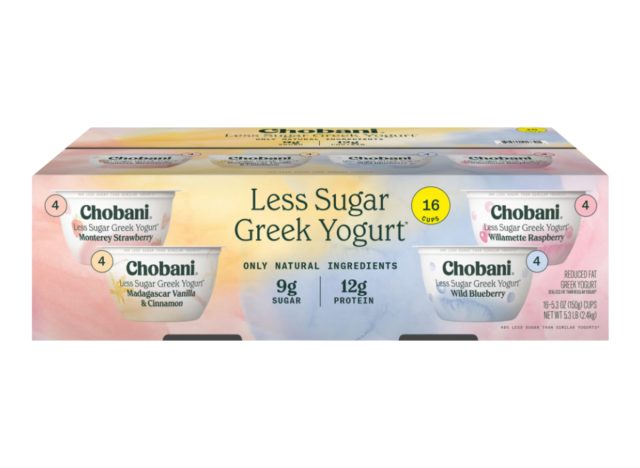
Calories: 120
Fat: 3 g (Saturated Fat: 1.5 g)
Sodium: 50 mg
Carbs: 11 g (Fiber: <1 g, Sugar: 9 g)
Protein: 12g
This high-pro Greek yogurt provides the equivalent protein of two eggs in a 120-calorie package. The GI-friendly yogurt packs in 6 different probiotics and keeps added sugars low by using fruit puree as one of the sweeteners. Each variety pack features four flavors — Ripe Strawberry, Madagascar Vanilla & Cinnamon, Wild Blueberry, and Harvest Raspberry.
The post 14 Costco Snacks That Make Healthy Eating Delicious and Easy appeared first on Eat This Not That.
]]>The post 10 Foods That Quiet Sugar Cravings Instantly appeared first on Eat This Not That.
]]>The average American adult eats about 17 teaspoons (68 grams) of added sugar every day—nearly triple the amount recommended by the American Heart Association of 6 teaspoons (25 grams) per day for women and 9 teaspoons (36 grams) for men. Diets high in added sugar have been linked to obesity, diabetes, heart disease, systemic inflammation, and other health issues. A study published in Nutrition Research and Practice found that individuals with higher added sugar intake were more likely to experience negative health outcomes and even an increased risk of death. Notably, naturally sweet foods like fruit didn’t carry the same risks.
If you’re looking to curb your sweet tooth while still supporting your health, nutrient-packed foods can be the answer. The following options not only help manage sugar cravings but also provide your body with essential fuel. Here are 10 foods I frequently turn to when I get a craving for something sweet. Read on, and for more, don’t miss 7 Warning Signs You’re Eating Too Much Sugar.
Protein-Rich Energy Bar
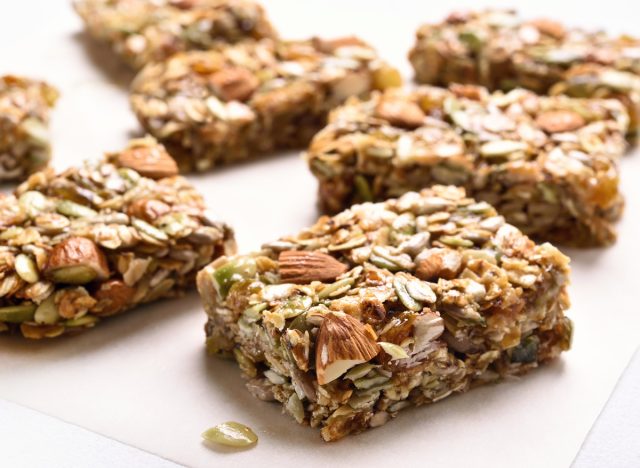
A protein-rich energy or snack bar can feel like an indulgent treat while helping you manage sugar cravings. Look for options with less than 8 grams of added sugar (about 2 teaspoons) and no more than 200 calories. There are hundreds of options from which to choose, but we like these The 16 Healthiest Low-Sugar Protein Bars.
Dried Fruit
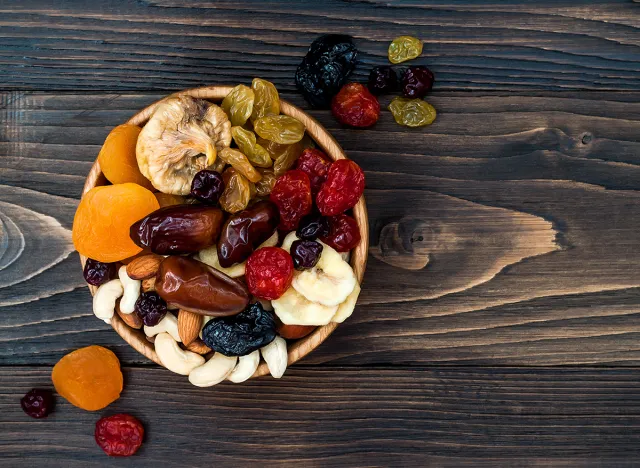
Dried fruit is a great option to enjoy instead of grabbing a bag of gummies or other sugary treats with no essential nutrients. Dried fruits provide the vitamins, minerals, fiber, and phytonutrients of fresh fruit in a more concentrated form. However, keep portions in check, as dried fruit is calorie-dense. For example, five to six dried apricots have about 110 calories, compared to three fresh apricots with just 60 calories.
RELATED: The 10 Healthiest Fruits You Can Eat
Sugar-Free Gum

Sometimes, a stick of sugar-free gum is all you need to kick a sugar craving. That’s because when we are anxious or stressed, cravings for sweets can increase. More than 80 years of research about chewing gum shows that gum can help reduce stress, improve mood, and increase attention span.
Dark Chocolate
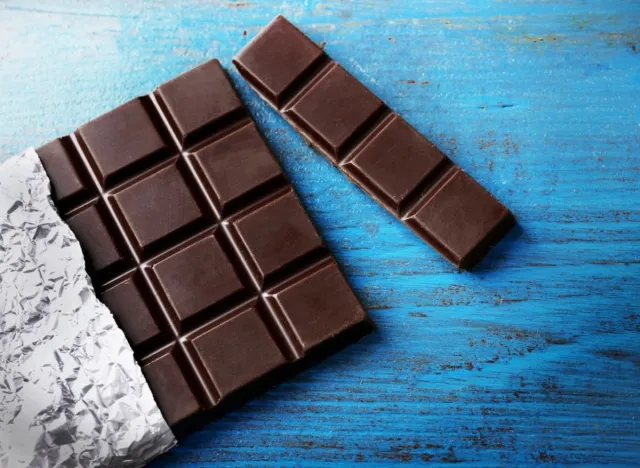
Dark chocolate is a wonderful way to combat your cravings for something sweet and chocolatey at the same time. With higher cacao levels, it provides antioxidants that may help lower blood pressure, improve cholesterol, and reduce heart disease risk. Look for dark chocolate with at least 70% cacao and enjoy it in moderation.
RELATED: 9 Chocolate Bars That Dietitians Love
Quick Breads and Muffins
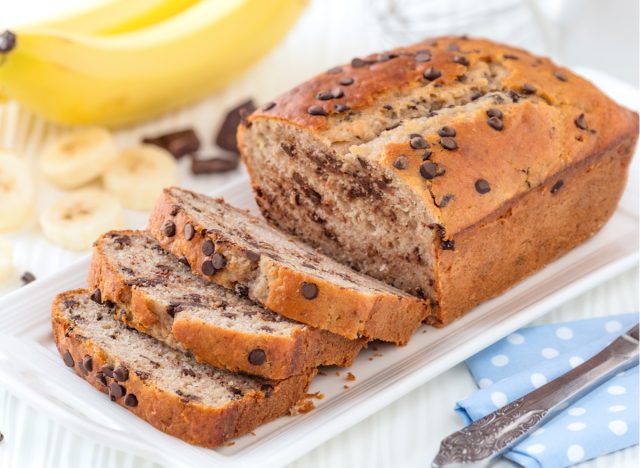
Quick breads like banana, pumpkin, or zucchini bread can be a healthier alternative to sugar-laden baked goods that pack in calories, fat, and sugar, and relatively no other beneficial nutrients. These recipes rely on the natural sweetness of fruits or vegetables, reducing the need for added sugar. The produce in the recipe adds fiber, essential nutrients, and other bioactive compounds that help temper the impact of quick-release simple carbs. Baking your own? Try using a stevia-sugar blend to reduce added sugars even further.
Fresh Fruit
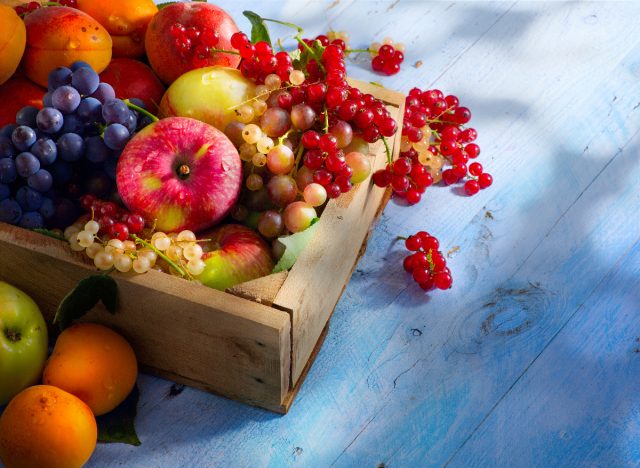
Fruit is naturally sweet and can crush your cravings for sugar. The natural sugar in berries, apples, citrus, grapes, and other fruits will satisfy your craving for sweets. The fiber in fruit will delay the digestion and absorption of carbs so it increases your satisfaction to conquer your cravings.
No-Sugar-Added Flavored Yogurt
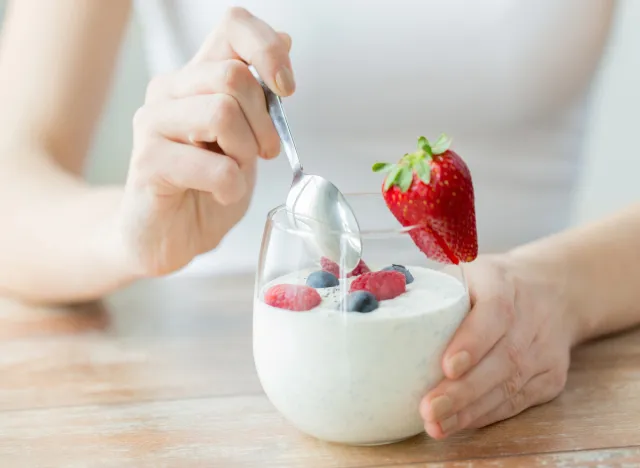
Flavored yogurt can be a great way to satisfy your cravings for something sweet while getting high-quality protein, calcium, and many other nutrients in your diet. Protein helps slow digestion so it will help temper the release of sugar into your bloodstream. The healthiest option tends to be Greek yogurt with no added sugar or those sweetened with zero-calorie sugar substitutes.
RELATED: What Happens to Your Body When You Eat Greek Yogurt
Trail Mix
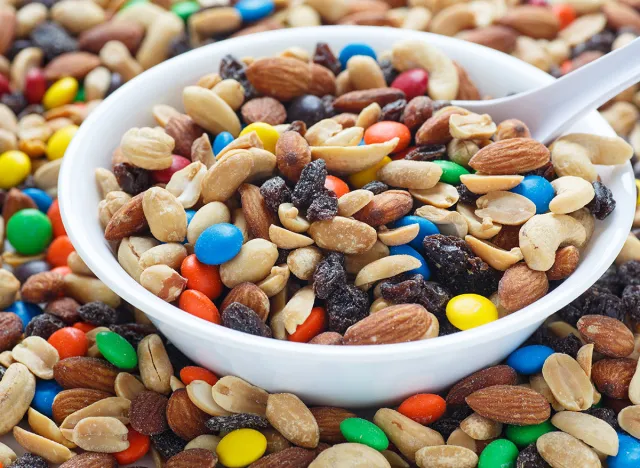
Trail mix is a great way to get over a craving for something sweet. The dried fruit and chocolate in the blends provide enough sweetness while the nuts provide fiber and protein. Trail mix is high in calories and total fat, with about 150 calories per ¼ cup serving, so monitor how much you eat.
Cottage Cheese with Fruit
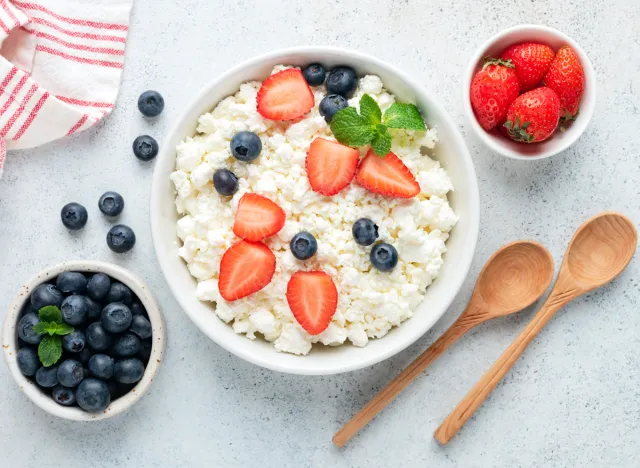
There are several brands of cottage cheese with fruit, which adds a touch of sweetness with the added benefits of the nutritional benefits of cottage cheese. Cottage cheese is naturally rich in protein and low in added sugar. The single-serve portions are generally less than 150 calories and are sweet enough to tamp down your sweet tooth.
RELATED: The 7 Best Cottage Cheese Brands
Dark Chocolate-Covered Fruit

Chocolate-covered strawberries are a great way to get a little bit of sweetness because they are a good source of fiber and other bioactive compounds that help slow the release of carbohydrates into the bloodstream. What’s more, dark chocolate is known to pack in flavonoids that help improve heart health. Strawberries may come to mind as a great fruit to dip in chocolate, but other healthful choices include sliced kiwis, oranges, and bananas.
RELATED: 18 Best Fruits & Vegetables to Keep You Fuller Longer
The post 10 Foods That Quiet Sugar Cravings Instantly appeared first on Eat This Not That.
]]>The post 10 Best Protein Bars for Weight Loss appeared first on Eat This Not That.
]]>Research shows that diets with optimal protein intake—around 1.2 to 1.6 grams per kilogram of body weight (or 0.5 to 0.7 grams per pound)—can help with weight management and reduce body fat while lowering the risk of chronic health conditions. Protein bars are an easy, convenient way to meet your needs, especially when you’re looking for a filling snack between meals.
To help you make smarter choices, we’ve rounded up the 10 best protein bars for weight loss, according to dietitians. These picks contain at least 10 grams of protein, no more than 300 calories, minimal added sugar (under 10 grams unless post-exercise), and at least 3 grams of fiber. Plus, they’re made with wholesome ingredients like nuts, seeds, and whole grains to keep you satisfied and support your overall health.
Read on, and for more, don’t miss Here’s Exactly How I Eat Over 100 Grams of Protein Every Day.
The 10 Best Protein Bars for Weight Loss
RXBar Peanut Butter Chocolate
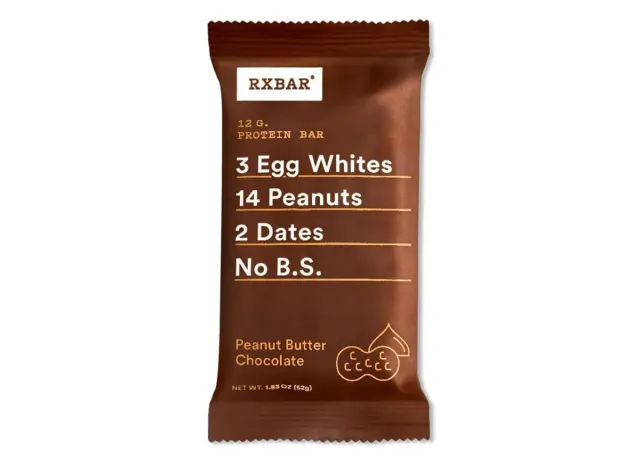
Calories: 210
Total Fat: 9 g (Saturated Fat: 2 g)
Sodium: 310 mg
Carbohydrates: 23 g (Fiber: 5 g, Sugar: 14 g [Added Sugar: 0 g])
Protein: 12 g
RXBars are whole-food bars made with egg whites, dates, peanuts, and cocoa, making them a more natural choice compared to many other protein bars. With 12 grams of protein and 5 grams of fiber, these bars help keep you satisfied and support weight-loss goals by curbing hunger between meals.
RELATED: 8 Best Drinks for Weight Loss
Quest Cookies and Cream Protein Bar
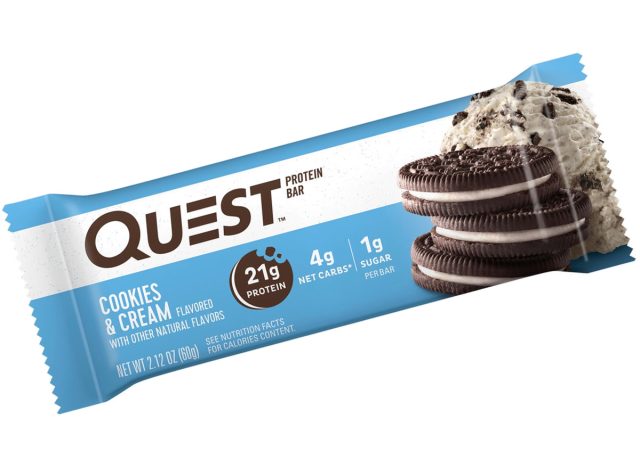
Calories: 190
Total Fat: 8 g (Saturated Fat: 2.5 g)
Sodium: 290 mg
Carbohydrates: 22 g (Fiber: 13 g, Sugar: 1 g [Added Sugar: 0 g])
Protein: 21 g
The original protein bars by Quest are high in both protein and fiber. This combination helps curb your appetite and provides sustained energy, making it easier to avoid overeating. With no added sugar, these bars are also ideal for those managing carbs to support their weight goals. Made with high-quality dairy-based protein, they deliver essential amino acids your body needs. Quest Bars are sweetened with erythritol, stevia, and sucralose for a satisfying, low-sugar option.
Power Crunch Pro Peanut Butter Fudge
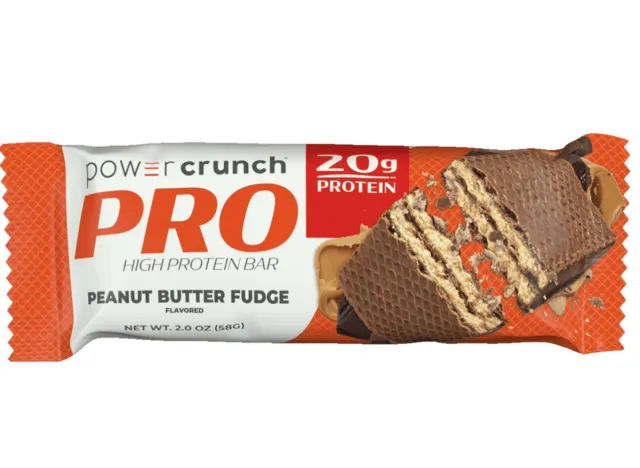
Calories: 300
Total Fat: 21 g (Saturated Fat: 10 g)
Sodium: 220 mg
Carbohydrates: 15 g (Fiber: 2 g, Sugar: 4 g [Added Sugar: 4 g])
Protein: 20 g
Power Crunch protein bars are a favorite of registered dietitian and certified athletic trainer, Dana Angelo White, MS, RD, ATC. “These bars are, come in great flavors, and offer up a good dose of protein. The protein source in these bars is primary whey protein, so the protein will be digested and absorbed slowly to help keep you satisfied longer,” notes Angelo White. The bars are also sweetened with stevia so added sugars are lower than many other bars.
KIND Protein Crunchy Peanut Butter
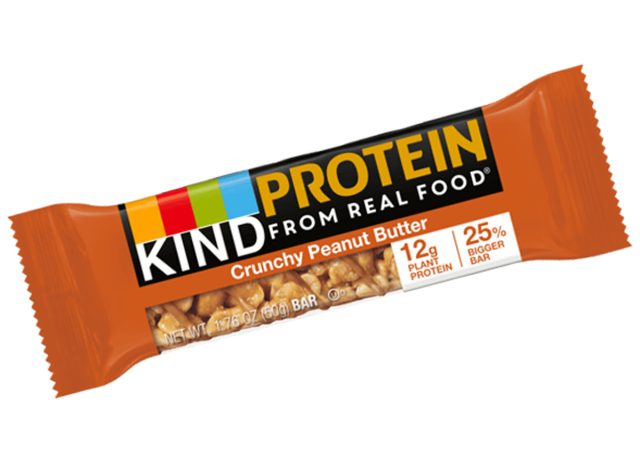
Calories: 250
Total Fat: 18 g (Saturated Fat: 4 g)
Sodium: 135 mg
Carbohydrates: 17 g (Fiber: 6 g, Sugar: 7 g [Added Sugar: 5 g])
Protein: 12 g
KIND’s Protein From Real Food bar packs in 12 grams of protein and 6 grams of fiber to help keep you full and satisfied. The protein comes from wholesome ingredients like peanuts, soy protein isolate, and nonfat milk powder. With just 5 grams of added sugar, this calorie-controlled bar is a smart choice for supporting weight-loss goals
Aloha Chocolate Chip Cookie Dough Protein Bar
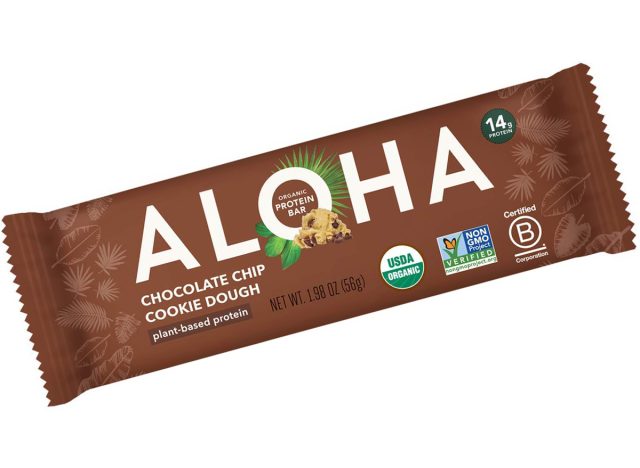
Calories: 240
Total Fat: 11 g (Saturated Fat: 2.5 g)
Sodium: 105 mg
Carbohydrates: 25 g (Fiber: 10 g, Sugar: 5 g [Added Sugar: 4 g])
Protein: 14 g
“Packed with 14 grams of plant-based protein, 10 grams of fiber for gut health, and only 3 grams of added sugar, Aloha Protein Bars are a great choice,” says Patricia Bannan, MS, RDN, author of From Burnout to Balance. They are also vegan, gluten-free, and USDA-certified organic.
Clif Builders Bar Chocolate Mint
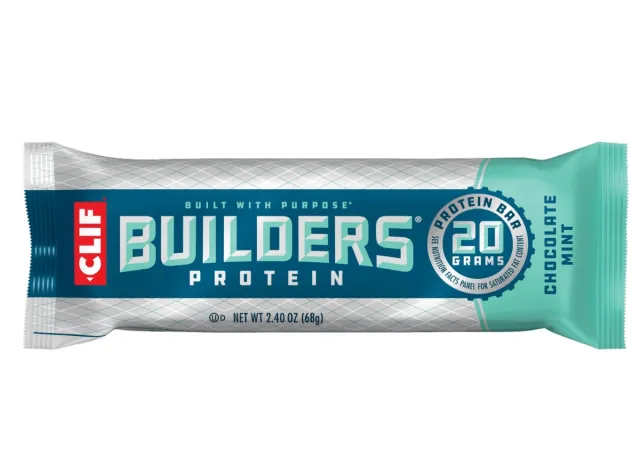
Calories: 280
Total Fat: 9 g (Saturated Fat: 6 g)
Sodium: 200 mg
Carbohydrates: 31 g (Fiber: 3 g, Sugar: 17 g [Added Sugar: 17 g])
Protein: 20 g
While Clif Builders Bars exceed the guidelines for added sugar, dietitian Angelo White recommends them as a good option for active individuals post-exercise. Made with soy protein isolate and soy protein concentrate, these bars provide all essential amino acids to support muscle recovery. With 20 grams of protein and 3 grams of fiber, they can help you refuel while keeping your calories in check after a workout.
RELATED: 9 Best High-Protein Foods for Building Lean Muscle
Zing Peanut Butter Chocolate Chip Nutrition Bars
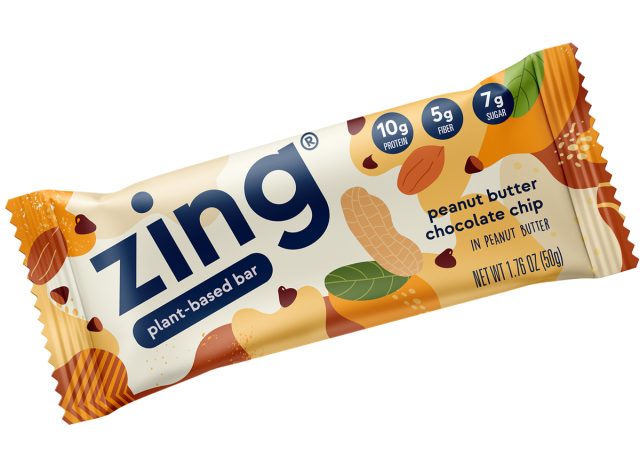
Calories: 220
Total Fat: 11 g (Saturated Fat: 2.5 g)
Sodium: 110 mg
Carbohydrates: 23 g (Fiber: 5 g, Sugar: 7 g [Added Sugar: 4 g])
Protein: 10 g
Zing Plant-Based Bars are vegan and made with quality ingredients like peanuts, tapioca fiber, brown rice protein, and medium-chain triglycerides. These bars keep added sugars minimal, relying on monk fruit concentrate for sweetness, which helps keep calories in check. With their nutrient-dense profile, Zing Bars are a smart option for plant-based eaters looking to support their weight-loss goals
:ratio Toasted Almond Crunchy Bar
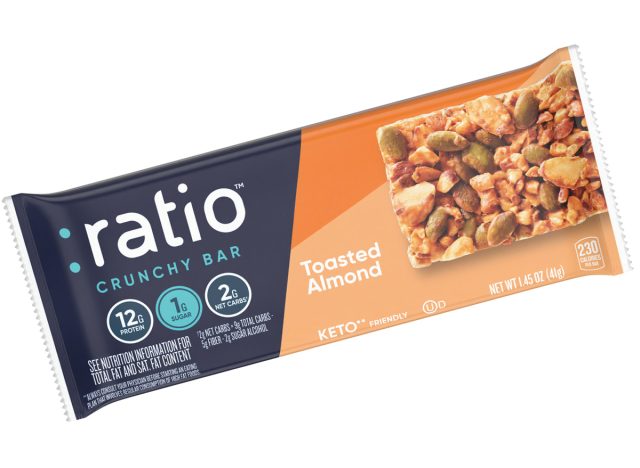
Calories: 220
Total Fat: 17 g (Saturated Fat: 5 g)
Sodium: 170 mg
Carbohydrates: 9 g (Fiber: 3 g, Added Sugar: 1 g)
Protein: 12 g
Made with almonds, pumpkin seeds, soy protein isolate, and whey protein isolate, :ratio Crunchy Bars are a great option for anyone trying to lose weight following a low-carb lifestyle. With just 1 gram of sugar, 9 grams of carbohydrates, and 12 grams of protein, it’s perfect for supporting weight-loss goals. Plus, it’s gluten-free and vegetarian, making it a versatile option for a variety of dietary needs.
RELATED: Eating Low Carb and Still Gaining Weight? This Could Be Why.
Orgain Organic Protein Bar Chocolate Brownie
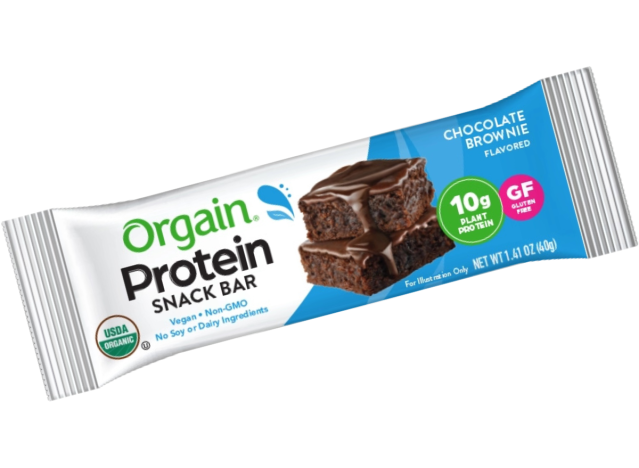
Calories: 150
Total Fat: 5 g (Saturated Fat: 1.5 g)
Sodium: 120 mg
Carbohydrates: 19 g (Fiber: 1 g, Sugar: 6 g [Added Sugar: 6 g])
Protein: 10 g
Even though Orgain Protein Bars don’t meet our guidelines for fiber, they are calorie-controlled and pack in 10 grams of protein. What’s more, the protein comes from organic brown rice protein, pea protein, and chia seeds. Added sugars are kept low because the bars are sweetened with erythritol, as well as other sweeteners.
Dang Lemon Matcha Bar
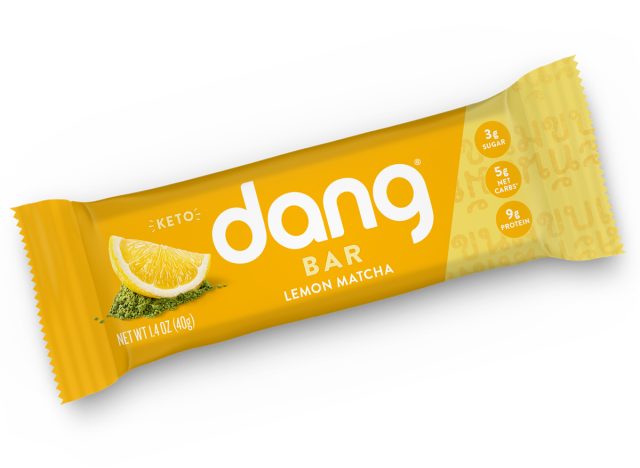
Calories: 210
Total Fat: 15 g (Saturated Fat: 5 g)
Sodium: 40 mg
Carbohydrates: 11 g (Fiber: 6 g, Added Sugar: 0 g)
Protein: 9 g
Dang bars are just shy of our 10-gram protein guideline by 1 gram; however, we like that the bar is made with almonds, pea protein, and chia seeds and packs in a whopping 6 grams of fiber. The fiber and protein combo with help keep you satisfied, so you’re less likely to overeat.
RELATED: 14 Healthy & Delicious Snacks That Will Make You Feel Full
How We Chose the Best Protein Bars for Weight Loss
To help you find a high-protein bar that can help you lose and maintain a healthy weight, here’s what to look for:
- High protein counts: Look for a bar that provides at least 10 grams of protein. Since meals should provide 20-30 grams of protein, you’re looking for a bar with about half of the protein that a meal should provide.
- Moderate calories: Make sure the protein bar has no more than 300 calories. Snacks should be kept to up to 250-300 calories to help ensure that you don’t exceed your daily caloric budget.
- Low in added sugar: Be sure to choose a protein bar that limits added sugars to no more than 10 grams or 2.5 teaspoons. Added sugar is digested and absorbed quickly, and provides no staying power, so you’ll likely be hungry soon after eating. One exception is if you are eating a snack post-exercise, as it’s okay to have more added sugar to help replenish depleted glycogen stores after exercise.
- High in fiber: When it comes to fiber, choose bars with at least 3 grams of fiber. Fiber will help keep you satisfied, improve your GI health, and help reduce the risk of chronic diseases.
- Made with wholesome ingredients: Bars that have more natural ingredients should be prioritized, like nuts, seeds, and whole grains.
How Does Protein Support Weight Loss?
Protein plays a key role in weight loss by promoting satiety, stabilizing blood sugar levels, and increasing your metabolic rate through its higher thermic effect of food (TEF). It helps prevent muscle loss, which is crucial for maintaining calorie-burning lean muscle mass.
“As you lose weight, you also slow your metabolism as calorie-burning muscle tissue is lost,” The Nutrition Twins, Tammy Lakatos Shames, RD, CDN, CFT, and Lyssie Lakatos, RD, CDN, CFT, tell us. “Since getting adequate protein helps spare the lean muscle tissue loss, you are more likely to also keep your metabolism from slowing.”
By keeping hunger and cravings in check, protein makes it easier to manage calorie intake and stick to weight-loss goals. For individuals with obesity, studies show that increasing protein while reducing carbohydrates and dietary fat intake may help the body burn fat more efficiently, reduce fat storage, and lower overall calorie intake. Incorporating high-protein foods like eggs, fish, poultry, nuts, and seeds into meals and snacks can optimize your efforts and support overall health.
RELATED: 10 High-Protein Diet Tips for Weight Loss
How Much Protein Should You Eat To Lose Weight?
According to experts, the minimum protein intake you should have per day is 0.8 grams of protein per kilogram of body weight. For someone weighing 150 pounds, this would translate to 54 grams of protein per day.”This is suitable for most individuals and helps with muscle preservation and appetite control,” Trista Best, RD, a registered dietitian with Balance One Supplements tell us.
However, protein needs are slightly higher for those who are highly active or with a significant amount of weight to lose. Research shows that those looking to lose weight and reduce body fat should aim for 1.2 to 1.6 grams per kilogram of body weight (or 0.5 to 0.7 grams per pound), which translates to 75 to 105 grams of protein per day for someone weighing 150 pounds.
RELATED: How Much Protein You Need To Eat Every Day To Lose Weight
Why Trust Eat This, Not That!?
Eat This, Not That! is committed to creating high-quality content that you can trust to be accurate, properly researched, routinely reviewed, and updated with the latest information. Our writers, editors, and medical and/or certified experts consider this to be an unwavering promise we make to our readers in the pursuit of delivering impactful and meaningful content.
The post 10 Best Protein Bars for Weight Loss appeared first on Eat This Not That.
]]>The post The 10 Healthiest Proteins You Can Eat appeared first on Eat This Not That.
]]>Protein is undeniably important, but simply eating more of it isn’t the only factor to consider. The quantity, timing, and quality of your protein intake are all crucial in maximizing its benefits.
While the Recommended Dietary Allowance (RDA) for protein is 0.8 grams per kilogram of body weight (0.37 grams per pound)—the minimum to prevent deficiency—research suggests this is not the ideal amount for most of us. Many experts believe that a more optimal intake is closer to 1.2-1.4 grams per kilogram body weight (0.6-0.9 grams per pound). Additionally, physically active individuals and older adults often need even more protein to support muscle repair and combat age-related muscle loss.
An easy way to meet your protein needs is to aim for 20-30 grams of protein at each main meal. This amount helps your body effectively digest and absorb the essential amino acids provided by protein-rich foods. While increasing your protein intake is beneficial, focusing on high-quality sources is crucial for reaping the full health benefits. Not all protein sources are created equal—fatty cuts of red meat and processed deli meats, for instance, are associated with a higher risk of heart disease and certain cancers.
The key to a well-balanced diet is choosing good sources of protein that offer maximum nutritional benefits without unhealthy drawbacks. To help you get started, here are 10 of the best healthy protein foods to add to your shopping cart. Read on, and for more tips, don’t miss 16 Easy Ways To Increase Your Protein Intake.
Eggs
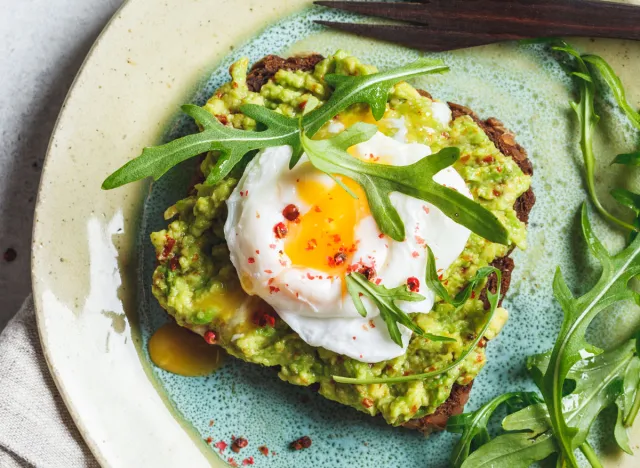
Eggs are often referred to as the gold standard for protein. A study published in the journal Nutrients highlights that egg protein is highly digestible and provides all nine essential amino acids. In fact, eggs boast the highest attainable protein digestibility-corrected amino acid score of any protein source.
Rich in Essential Nutrients
A single large egg contains only 70 calories yet delivers more than 13 essential nutrients. These include iron, vitamin D, zinc, lutein, zeaxanthin, and choline, along with 6 grams of high-quality protein. Eggs are also packed with antioxidants, which help protect your body at a cellular level.
Supports Weight Management
Eating eggs for breakfast may help you maintain a healthy weight. Studies show that eggs reduce hunger and calorie consumption later in the day. In a head-to-head comparison with bagels, participants who ate an egg-based breakfast lost 65% more weight and significantly more belly fat than those who had a calorie-matched bagel breakfast.
Protective Health Benefits
Eggs have also been shown to help protect against infections and provide anti-cancer benefits.
RELATED: 28 Best High-Protein Store-Bought Snacks
Fish and Seafood
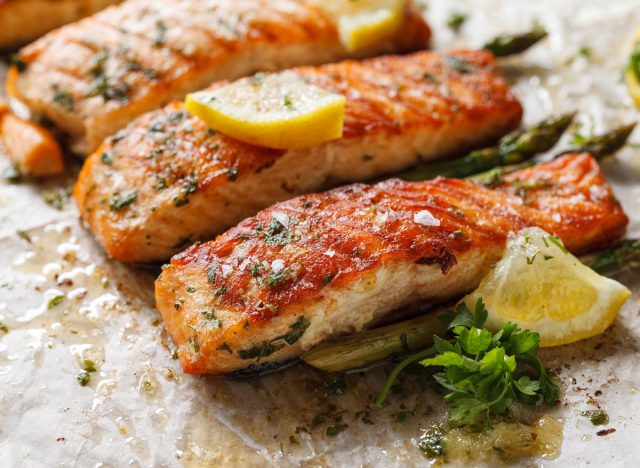
Fish and seafood are two of the healthiest high-quality proteins to include in your diet. Not only does seafood contain all nine essential amino acids for health, but a serving (three ounces) of tuna or shrimp provides about a third of your daily recommended protein intake or 20-25 grams of protein.
Low-Calorie Option
Compared to other protein-rich foods, fish is significantly lower in calories. A standard 3-ounce serving contains only about 100 calories.
Rich in Omega-3 Fatty Acids
Fish is an excellent source of EPA and DHA, the long-chain omega-3 fatty acids known for their heart and brain health benefits. These fatty acids are known to help reduce the risk of cardiovascular diseases and tamp down inflammation along with other health benefits.
Fish is so healthy that the Dietary Guidelines for Americans and the American Heart Association recommend eating at least two to three servings of fish per week (about 6 to 8 ounces cooked) to get the recommended 250 milligrams a day of EPA and DHA.
Greek Yogurt

Europeans have been enjoying Greek yogurt for centuries, but it’s become increasingly popular here since Americans have moved away from the sugary, fruit-on-the-bottom type yogurts or candy mix-ins to enjoy a more wholesome, protein-packed yogurt.
Concentrated Source of Protein
Greek yogurt is a good source of protein compared to other standard yogurts because its unique straining process removes liquid whey, creating a thicker, creamier product with twice the protein of traditional varieties. A 6-ounce serving of most brands provides over 15 grams of protein for about 100 calories in nonfat, no-added-sugar options. It’s also an excellent source of calcium and contains probiotics that support immune and GI function.
Supports Muscle Growth and Fat Loss
Greek yogurt is a great post-workout treat. A study published in Frontiers in Nutrition found that untrained individuals who included Greek yogurt in their diet during a 12-week training program gained more muscle mass and reduced body fat compared to those who didn’t. Participants ate Greek yogurt three times on training days and twice on rest days.
RELATED: What Happens to Your Body When You Eat Greek Yogurt
Cow’s Milk
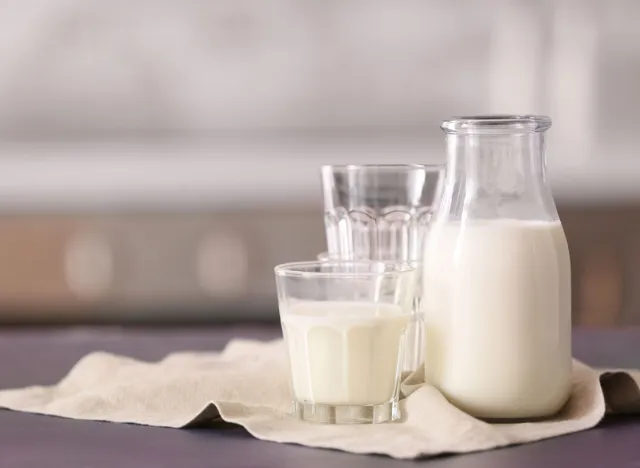
Cow’s milk is a great option for those seeking to add beneficial protein to their diet. It provides two types of protein: casein, which makes up about 80%, and whey, which accounts for the remaining 20%. Whey is digested and absorbed quickly while casein is digested more slowly and helps to enhance satiety.
Packed with Nutrients
In addition to its protein content, cow’s milk is rich in calcium, vitamin D, B vitamins, and potassium. It also provides about one gram of protein per ounce, so an eight-ounce glass of any type of cow’s milk, from skim to full fat, delivers eight grams of high-quality protein. Choosing grass-fed milk adds even more benefits, offering higher levels of conjugated linoleic acid (CLA) and omega-3 fatty acids.
Supports Muscle and Body Composition
Cow’s milk has been linked to improved body composition and lean muscle mass. Studies, including one published in Clinical Chemistry, show that milk drinkers tend to have more lean muscle. Athletes often enjoy milk and other dairy foods in their diet to enhance recovery and build and maintain muscle mass.
RELATED: Is Milk Good For You? 6 Effects of Drinking It
Chicken Breast

Chicken breast is one of the best sources of lean protein, packing more protein ounce-for-ounce compared to beef. A 3-ounce serving of cooked chicken breast provides approximately 27 grams of protein and just 140 calories, according to the USDA nutrient database. For the leanest option, choose skinless chicken breast, as chicken with the skin on contains twice as much fat.
Rich in Key Nutrients
In addition to protein, chicken breast is a nutrient powerhouse. It’s rich in B vitamins, selenium, and phosphorus, and also provides potassium, magnesium, and zinc—making it an excellent choice for overall health and wellness.
Supports Weight Management
The protein in chicken breast has a high satiety effect, helping you feel full and potentially aiding in weight maintenance. A study published in Food and Nutrition Research notes that skinless chicken breast contains just 1% fat, and only a third of it is unhealthful saturated fat Eating chicken breast in lieu of higher-fat animal proteins may also help reduce your risk for cardiovascular disease and type 2 diabetes.
Turkey Breast

Turkey breast is an excellent source of high-quality lean protein. A 4-ounce serving of skinless turkey breast delivers about 27 grams of protein for just 130 calories, making it a nutrient-dense option for those looking to boost their protein intake.
Packed with Essential Nutrients
Like skinless chicken breast, turkey breast is rich in B vitamins, niacin, selenium, and zinc. It’s also naturally low in fat, making it a heart-healthy addition to your diet.
Reduced Cancer Risk
For the healthiest choice, skip processed turkey products like deli meat and opt for minimally processed turkey breast that you can roast at home. This allows you to enjoy turkey in its most wholesome form across several meals.
A review article published in the journal Nutrients highlights that red and processed meat consumption may increase the risk of certain cancers, whereas white meats, such as turkey, do not. Incorporating turkey breast into your diet is a safer, nutrient-packed alternative.
Cottage Cheese
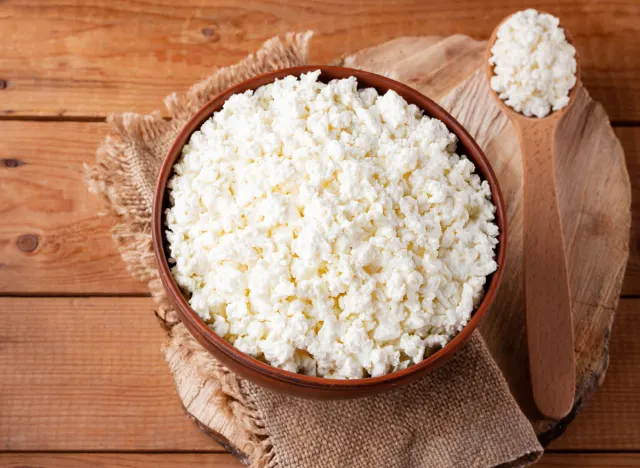
Cottage cheese has the reputation of being the quintessential diet food since the 70s, but it’s made a huge comeback in recent years, thanks in part to its stellar nutritional profile that athletes and other health-conscious eaters seek.
Good Protein-to-Calorie Ratio
Low-fat cottage cheese provides more protein per calorie than most other foods. A typical low-fat plain cottage cheese provides around 14 grams of protein and 100 calories in a half-cup serving and it’s a good source of calcium.
Promotes Satiety
One study reported in the journal Appetite found that equal calorie snacks of egg or cottage cheese provide similar satiating benefits, helping study participants eat less after snacking on an egg or cottage cheese snack.
Slow-Release Protein Benefits
The protein in cottage cheese is about 80% slow-release casein, making it great to help you stay fuller longer, help moderate blood sugar levels, and help your muscles recover post-exercise.
RELATED: The 8 Best Cottage Cheese Brands, According to Dietitians
Beans
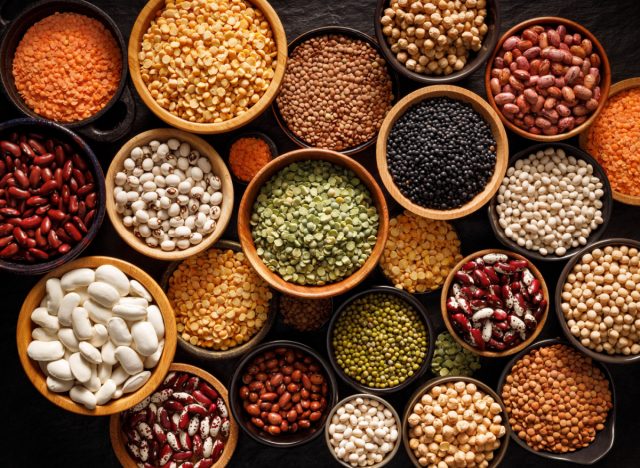
Beans are one of the healthiest plant-based sources of protein, providing about 15 grams of protein per cup. They also deliver a wealth of nutrients, including fiber, antioxidants, zinc, B vitamins, potassium, and magnesium, making them a nutrient-dense choice.
A Filling and Satisfying Food
The combination of protein and fiber in beans makes them particularly filling. This duo helps curb hunger and supports healthy digestion, making beans an excellent addition to a balanced diet.
Heart-Healthy Benefits
Research published in the American Journal of Clinical Nutrition highlights the powerful polyphenols in beans, which help lower harmful LDL cholesterol. Beans have also been shown to reduce the risk of metabolic syndrome, heart disease, and type 2 diabetes.
Recommended by Dietary Guidelines
The Dietary Guidelines for Americans recommend eating three cups of beans and legumes each week, which equals about half a cup per day. Incorporating beans into your diet regularly can significantly boost your overall health.
Soyfoods (Edamame, tofu, soymilk)
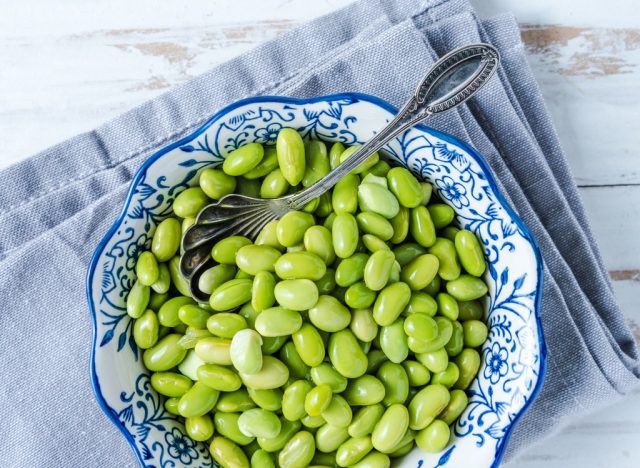
Soy foods are among the best plant-based proteins to add to your diet, especially for those leaning toward plant-based eating. Unlike most plant proteins, soy contains all nine essential amino acids, making it a complete protein.
Packed with Nutrients
A cup of edamame (steamed immature soybeans in pods) provides about 17 grams of protein, 8 grams of fiber, and around 200 calories. Soybeans are an excellent source of fiber and magnesium, and they also provide iron, B vitamins, omega-3 fats, and many other important nutrients.
Heart-Healthy and Low in Saturated Fat
Compared to animal proteins, soy has low amounts of saturated fat, which makes it a heart-smart protein option.
May Reduce Cancer Risk
Soybeans provide isoflavones that studies show help maintain bone health and may protect against certain types of cancer.
RELATED: 13 Unhealthiest Carbs To Stay Away From
Lentils
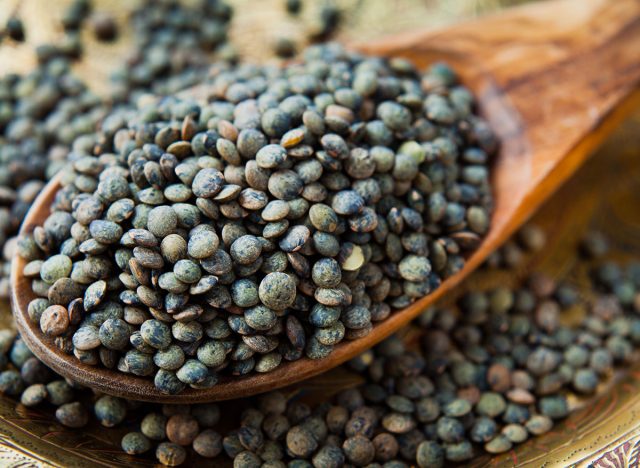
Lentils are protein-rich seeds from the legume family. Available in a variety of colors—brown, red, yellow, black, and more—lentils are a healthy source of plant-based protein regardless of the type you choose. A single cup of cooked lentils provides about 18 grams of protein for 230 calories, comparable to most beans.
Rich in Essential Nutrients
Lentils provide B vitamins, iron, zinc, potassium, and magnesium. They also are rich in antioxidants that can help reduce inflammation and reduce the risk for chronic diseases.
Anti-Inflammatory and Disease-Fighting
According to research published in the International Journal of Molecular Sciences lentils are rich in bioactive compounds that help reduce the risk of diabetes, obesity, cancers, and cardiovascular disease.
The post The 10 Healthiest Proteins You Can Eat appeared first on Eat This Not That.
]]>The post The 10 Healthiest Fruits You Can Eat appeared first on Eat This Not That.
]]>Eating more fruit is one of the simplest and most impactful ways to support overall health, manage weight, and potentially extend your lifespan. Research consistently shows that fruit-rich diets are associated with lower risks of heart disease, obesity, type 2 diabetes, and certain cancers. In fact, doubling produce consumption could reduce cancer rates by 19% and cardiovascular disease by 16%, according to a study in Public Health Nutrition.
Here are the 10 healthiest fruits to add to your meals and snacks—delicious, versatile, and packed with disease-fighting benefits. And for more, check out The 10 Healthiest Vegetables You Can Eat.
Apples
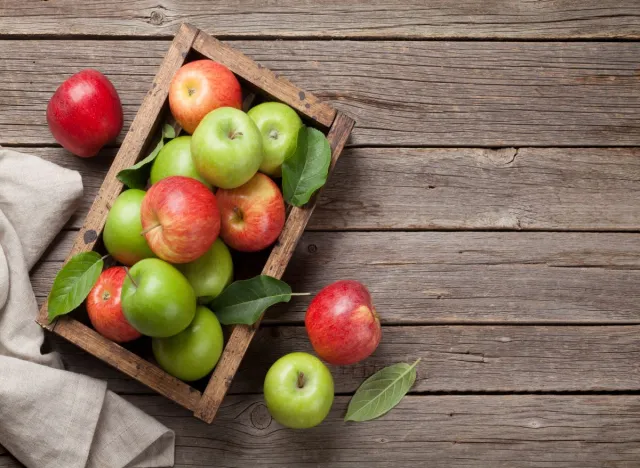
Apples are one of the most popular fruits in the U.S., offering a wealth of health benefits. They’re packed with nutrients like vitamin C, fiber, and powerful antioxidants, including flavonoids and phenolic acids.
Regularly eating apples has been linked to a lower risk of heart disease, with a study published in the American Journal of Clinical Nutrition finding that women who consumed the most apples had a 13-22% reduced risk of cardiovascular disease. In addition to supporting heart health, apples may aid in weight management, reduce the risk of certain cancers, and help protect against asthma, type 2 diabetes, and age-related cognitive decline.
Eat This! Tip: Slice apples into your salads, pair them with nut butter for a satisfying snack, or add them to oatmeal for natural sweetness and fiber. For a healthy dessert, try baking them with a sprinkle of cinnamon, or blend them into smoothies for a refreshing twist.
RELATED: Are Apples Good for You? Here Are 9 Science-Backed Benefits
Blueberries
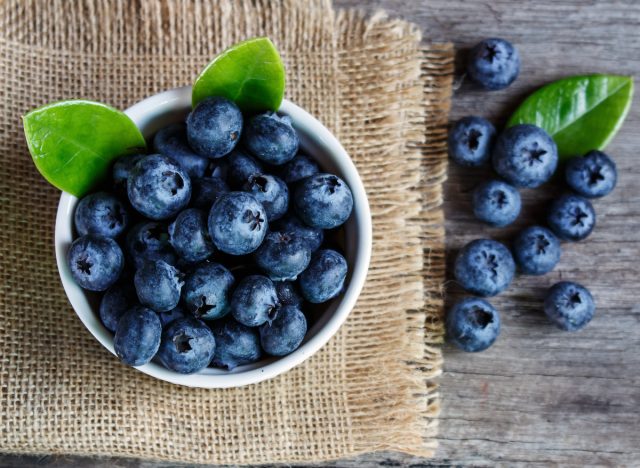
Blueberries are often referred to as a superfruit for their impressive health benefits. They’re packed with anthocyanin antioxidants, which give the berries their vibrant blue color and help reduce the risk of chronic diseases while slowing the aging process.
Several decades worth of research show that eating blueberries frequently can help reduce risk for heart disease, type 2 diabetes, systemic inflammation, glaucoma, and declines in cognition and memory associated with aging, according to research presented in Advances in Nutrition.
Eat This! Tip: Blueberries are a sweet treat on their own but try them on top of salads, cereal, and yogurt and mix them into pancake or muffin batter for a healthy twist. For a quick snack, freeze blueberries and use them in smoothies.
RELATED: What Happens to Your Body When You Eat Greek Yogurt
Pomegranates
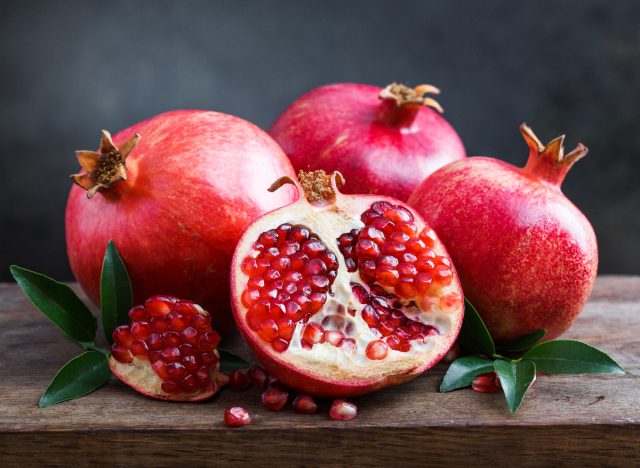
Pomegranates have a history dating back thousands of years and have long been valued for their purported health benefits. They are among the most extensively studied fruits, with over 1,500 published research articles highlighting the health benefits of pomegranate fruit and 100% pomegranate juice.
The ruby-red fruit provides vitamin C, potassium, vitamin K, and bioactive polyphenols that function as powerful antioxidants. Antioxidants help neutralize free radicals—unstable molecules in the body—thereby reducing the risk of certain chronic diseases.
Eat This! Tip: Pomegranates are in season during the winter months. Incorporate their ruby-red arils into salads, yogurt, or oatmeal, or use them to enhance the flavor and color of grain- or vegetable-based dishes. You can also use 100% pomegranate juice as a base for salad dressings, smoothies, or marinades to boost the antioxidants in your favorite dishes.
RELATED: 25 Best Antioxidant-Rich Fruits & Vegetables
Oranges
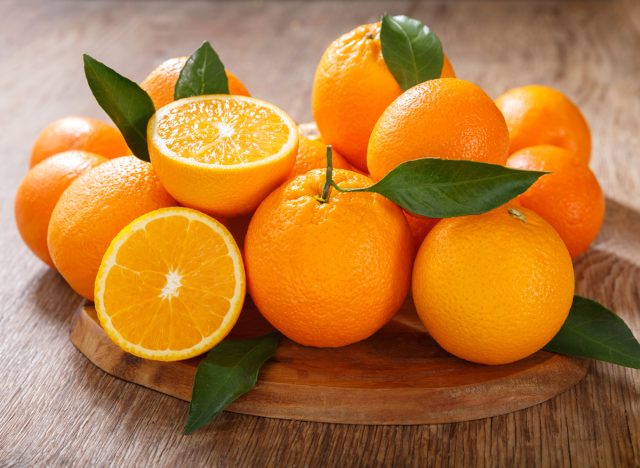
Oranges are packed with essential nutrients, including vitamins C and A, potassium, calcium, fiber, and B vitamins. Studies show that oranges can boost the immune system, improve skin health, and reduce the risk of cardiovascular disease. They also offer anti-cancer, anti-inflammatory, neuroprotective, and anti-aging benefits. A recent review study reported in the journal Nutrients highlights how the unique phytonutrients in citrus may support a healthier gut microbiome.
Eat This! Tip: Enjoy oranges fresh as a snack for a boost of vitamin C and hydration, or add orange slices to salads for a tangy sweetness and extra fiber. You can also use freshly squeezed orange juice in marinades or dressings to up the nutrients and antioxidants without added sugars.
Strawberries
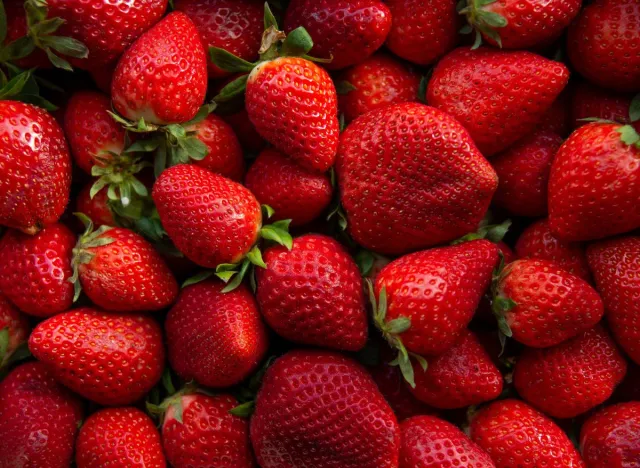
Strawberries are backed by extensive research showing their impressive health benefits. Just one serving of eight strawberries provides more vitamin C than an orange and is packed with antioxidants and essential nutrients like potassium, folate, and fiber.
Strawberries are heart-healthy, aid with weight management, improve the gut microbiome and they have even been shown to help slow cognitive decline. One study conducted at Rush University Medical Center in Chicago found that among older subjects who reported eating the most strawberries were 34% less likely to develop Alzheimer’s Disease during the study period.
Eat This! Tip: Strawberries are a delicious snack on their own or use them on top of hot or cold cereal, in yogurt, salads or dip them in dark chocolate for a healthier dessert.
Raspberries
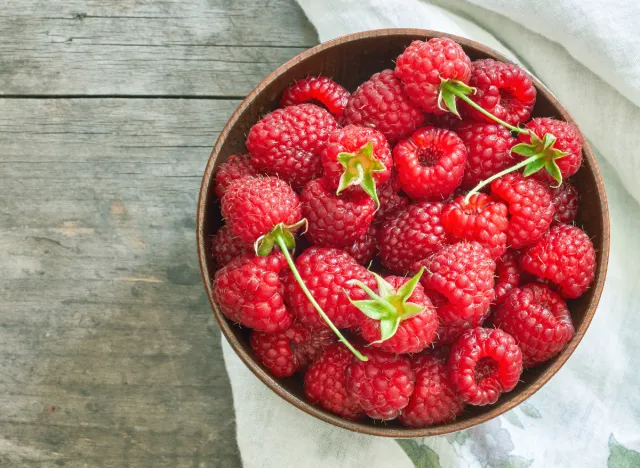
Raspberries are nutrient powerhouses, providing vitamin C, potassium, magnesium, B vitamins, and a wealth of antioxidants. The antioxidants in red raspberries primarily come from ellagic acid, which has shown anti-cancer properties, and anthocyanins, which support heart health and may help protect against heart disease, type 2 diabetes, obesity, and age-related cognitive decline, according to research published in Advances in Nutrition.
A cup of raspberries also packs in 8 grams fiber, more than most other fruits, making them an excellent choice to keep you fuller for longer and to improve your overall GI health.
Eat This! Tip: Sprinkle raspberries over your yogurt, cereal, or oatmeal for a naturally sweet topping, or blend them into smoothies for a refreshing drink. You can also enjoy them as a fresh snack, mix them into salads, or use them to make a homemade raspberry vinaigrette.
RELATED: 10 Best Low-Calorie Fruits for Weight Loss
Red Grapes

Red grapes are one of the best fruits you can add to your shopping list. These low-calorie fruits provide vitamin K, calcium, fiber, and bioactive flavonoids, which give grapes their vibrant red color.
Research published in the journal Oxidative Medicine and Cellular Longevity highlights the flavonoid resveratrol—also found in blueberries and blackberries—for its powerful benefits. Resveratrol offers anti-inflammatory, cardiovascular protection, anticancer, antidiabetes, antiobesity, neuroprotective, anti-aging, and longevity-promoting properties. The study’s authors suggest that resveratrol may help prevent or mitigate age-related conditions.
Eat This! Tip: Red grapes are versatile and can be incorporated into sweet or savory dishes, from appetizers to desserts. Enjoy red grapes on their own as a snack or add to salads, or roast them and enjoy with cheese on a crostini, or add use to create a Mediterranean-style pizza.
Mangos
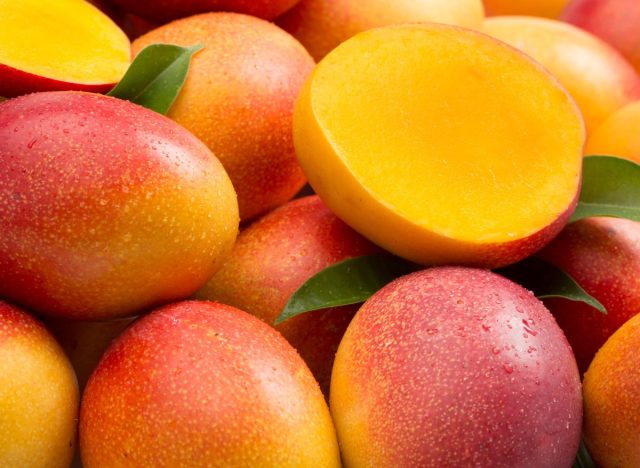
Bursting with over 20 essential vitamins and minerals, mangos offer a wide range of health benefits, from reducing inflammation to lowering the risk of heart disease and type 2 diabetes. Just one cup of fresh mango provides 100% of your daily vitamin C needs, supporting a strong immune system, healthy teeth and gums, and collagen production for resilient skin. Mangos are also rich in fiber, which will help keep you full for longer.
One study reported in Nutrition and Metabolic Insights found that individuals who consumed freeze-dried mango experienced improved blood sugar levels, suggesting the fruit may aid in managing glucose levels.
Eat This! Tip: Enjoy fresh mango slices as a snack or blend it into smoothies for a tropical twist. You can also dice it into salads, use it as a topping for yogurt or oatmeal, or incorporate it into salsas and marinades for a flavorful boost.
Sweet Cherries
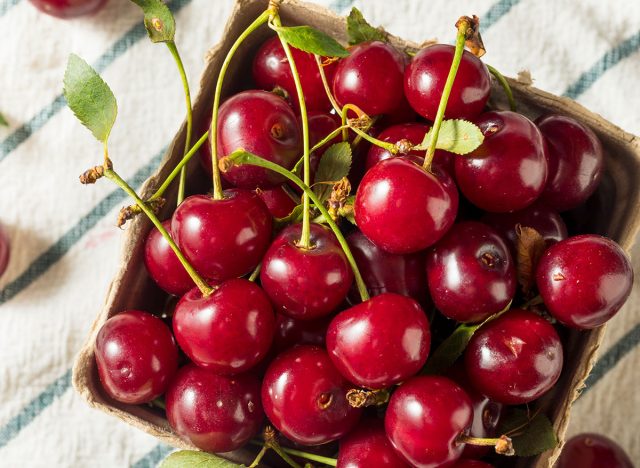
Sweet cherries are rich in fiber and potassium while being naturally low in calories, with just 100 calories per cup. Their deep red color comes from anthocyanins, powerful compounds that offer numerous health benefits. According to a review published in Nutrients, anthocyanins may help reduce pain and inflammation, improve sleep, lower markers associated with heart disease and type 2 diabetes, and combat inflammation throughout the body.
Eat This! Tip: Enjoy them fresh as a snack, or pit and add them to smoothies, yogurt, or oatmeal for natural sweetness. You can also bake them into pies, muffins, or crisps, or freeze them for a refreshing, icy treat on hot days.
RELATED: A Dietitian’s #1 High-Fiber Smoothie Recipe for Weight Loss
Cantaloupe
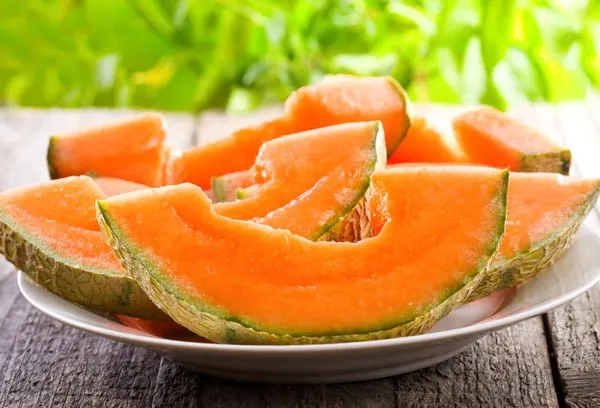
Cantaloupe is one of the healthiest fruits you can add to your diet. One cup has just 50 calories while providing fiber, potassium, vitamin C, folate, vitamin K, calcium, magnesium, lutein, zeaxanthin, and beta-carotene, according to the USDA. With about 90% water content, cantaloupe is hydrating and filling. It also delivers heart-healthy nutrients and contains lutein and zeaxanthin—carotenoids that may help protect against age-related macular degeneration, the leading cause of blindness in older adults.
Eat This! Tip: Cantaloupe is a hydrating snack or try blending cubes into smoothies for a naturally sweet boost. You can also pair cantaloupe with cottage cheese or Greek yogurt for a protein-packed snack, or toss it into fruit salads.
Bottom Line
Each of these fruits offers unique health benefits, making them an essential part of a balanced diet. Incorporate a variety of colorful fruits into your meals and snacks to obtain the most health and nutritional benefits.
The post The 10 Healthiest Fruits You Can Eat appeared first on Eat This Not That.
]]>The post 9 Healthiest Whole Grain Breads on Grocery Shelves appeared first on Eat This Not That.
]]>The key to enjoying wholesome and wonderfully satisfying slices is choosing the right loaf and being mindful of portion sizes and toppings.
This round-up highlights the best whole grain breads on grocery shelves, as recommended by dietitians. Whether you’re looking for higher protein, more fiber, or fewer added sugars, these breads stand out for their health benefits and great taste.
Use the following expert tips to find the most nutritious whole grain bread and explore the top dietitian-approved picks available at your grocery store. Read on, and for more healthy eating tips, check out 10 Healthiest Breads on Grocery Shelves, According to Dietitians.
How To Buy the Best Whole Grain Bread
- Check the label: Bread labels may have a lot of healthful sounding terms like “seven-grain,” “multi-grain,” “cracked wheat,” “unbleached flour,” “made with whole wheat” or “all-natural.” But these descriptors don’t ensure that your bread is made with whole-grain flour instead of enriched white flour. What you want to see on the ingredient list is “whole wheat flour,” “oatmeal,” “rye,” “sorghum,” or other whole grains as the first ingredient.
- Look for grainy options: Check the bread to see if there are visible grains or seeds throughout the loaf (not just on the top crust). Seeds and intact whole grains are slow-to-digest, and contribute protein, fiber, and unsaturated fats, which helps temper the blood-sugar response and helps you feel fuller longer.
- Aim for more fiber and protein: A serving of wholesome, whole-grain bread should have at least 2 grams of fiber and 2 grams of protein. More is better when it comes to the fiber and protein in bread.
- Look for lower sugar counts: The best whole grain breads will have no more than 4 grams (1 teaspoon) of added sugar.
- Try the “Squeeze Test”: How your loaf feels in your hands can tell a lot about its nutritional qualities. A wholesome whole-grain loaf should feel dense and heavier than a loaf made with enriched white flour. Give your loaf a gentle squeeze: If it’s squishy, it’s a sign that it’s mostly refined white flour and not sturdy whole grains.
- Opt for thin-sliced: Another way to keep portions (and calories) of whole-grain bread in check is to look for thin-sliced sandwich bread. Thin-sliced sandwich breads will have fewer calories per slice.
Dave’s Killer Bread Organic Thin-Sliced 100% Whole Wheat
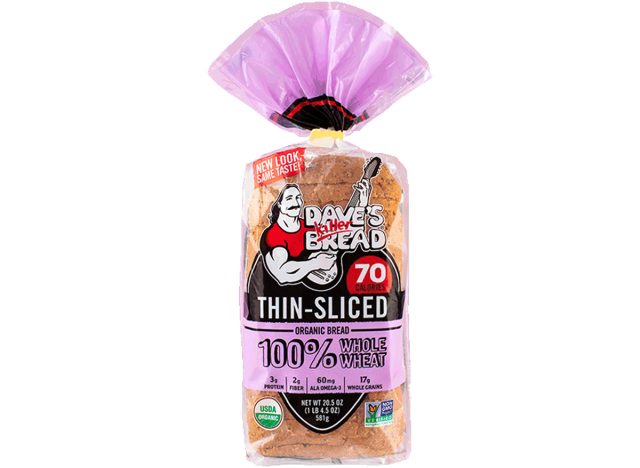
Calories: 70
Fat: 1 g (Saturated Fat: 0 g)
Sodium: 110 mg
Carbs: 14 g (Fiber: 2 g, Sugar: 2 g)
Protein: 3 g
“This 100% whole wheat bread is thinly sliced to shave off a few calories. It has 70 calories vs. about 110 calories in the average store-bought bread,” says Toby Amidor, MS, RD, CDN, FAND, an award-winning nutrition expert.
I love making avocado toast using 1/2 mashed avocado, Everything Bagel seasoning, and an over-easy egg on a slice of this delicious bread. It provides 16 grams of whole grains, and is organic, non-GMO verified, and kosher.
RELATED: Is Dave’s Killer Bread Healthy? What a Dietitian Want You To Know
OroWeat Whole Grains Double Fiber
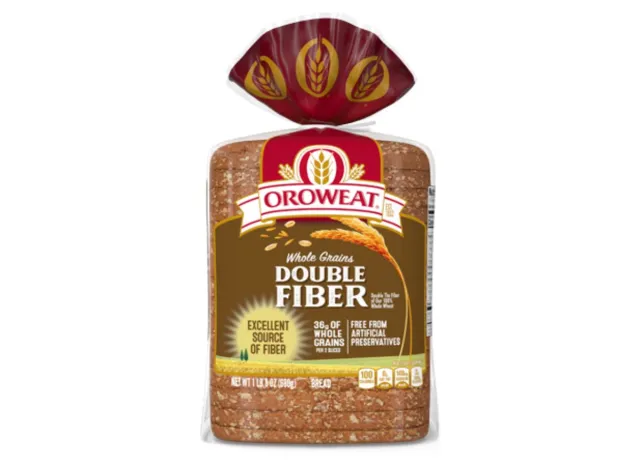
Calories: 100
Fat: 1.5 g (Saturated Fat: 0 g)
Sodium: 160 mg
Carbs: 21 g (Fiber: 6 g, Sugar: 2 g)
Protein: 4 g
This is a great option that has no artificial preservatives, colors, or flavorings. This bread is packed with fiber, thanks to the added wheat gluten and wheat bread, and it also has more protein than most slices, and just ½ teaspoon (2 grams) of sugar per slice.
RELATED: 10 Best High-Fiber Breads, According to Dietitians
Ezekiel 4:9 Sprouted Whole Grain Bread
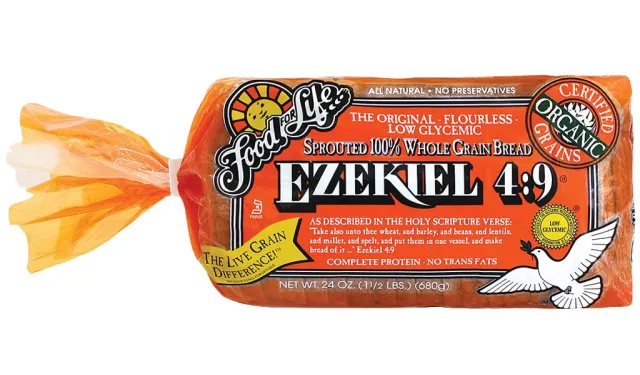
Calories: 80
Fat: 0.5 g (Saturated Fat: 0 g)
Sodium: 75 mg
Carbs: 15 g (Fiber: 3 g, Sugar: 0 g)
Protein: 5 g
“By combining six nutrient-packed grains and legumes, including barley, lentils, millet, soybeans, spelt, and wheat, each slice of this bread has 3 grams of fiber and 5 grams of complete protein for staying power,” says Patricia Bannan, MS, RDN, nationally recognized registered dietitian nutritionist and author of From Burnout to Balance.
Breakfasts and lunches should get around 20 grams of protein, so this bread coupled with eggs, nut butter, cheese, or lean chicken or turkey will help you meet your protein goals.
RELATED: 10 Healthiest Sprouted Breads on Grocery Shelves, According to Dietitians
Rudi’s Organic 100% Whole Wheat Bread
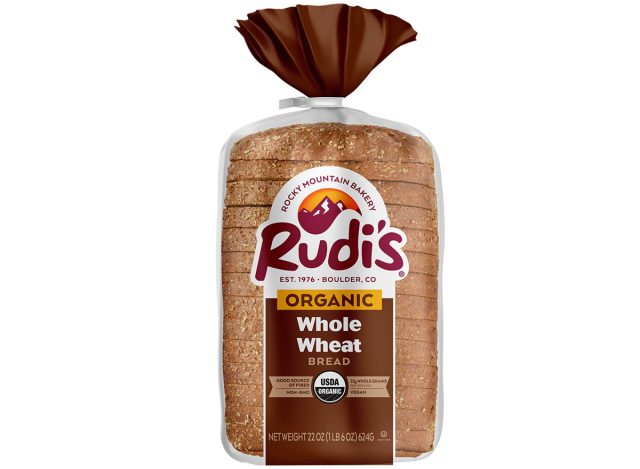
Calories: 110
Fat: 1 g (Saturated Fat: 0 g)
Sodium: 130 mg
Carbs: 20 g (Fiber: 3 g, Sugar: 2 g)
Protein: 4 g
This bread is a great choice because it’s made with organic whole wheat flour, organic crested wheat, wheat gluten, and wheat bread to get the fiber, protein, and beneficial nutrients in each slice. Plus, a slice only has 2 grams of sugar.
RELATED: 7 Healthiest Breads for Weight Loss, According to Dietitians
Food For Life 7 Sprouted Grains Bread
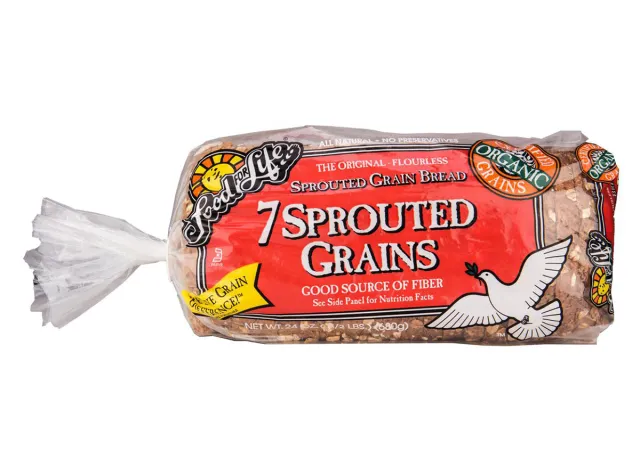
Calories: 80
Fat: 0.5 g (Saturated Fat: 0 g)
Sodium: 80 mg
Carbs: 13 g (Fiber: 3 g, Sugar: 0 g)
Protein: 4 g
“This sprouted whole grain bread has been around for years, but the makers were a bit ahead of their time,” says Sharon Palmer, MSFS, RDN, The Plant-Powered Dietitian.
Now we know the health benefits of whole grains, as well as sprouted grains. The bread is crunchy and delicious, and it provides important nutrients, like plant protein, fiber, B vitamins, iron, zinc, and selenium. And, it is low in sodium, calories, fat, and has no added sugars.
Dave’s Killer Bread Organic Powerseed
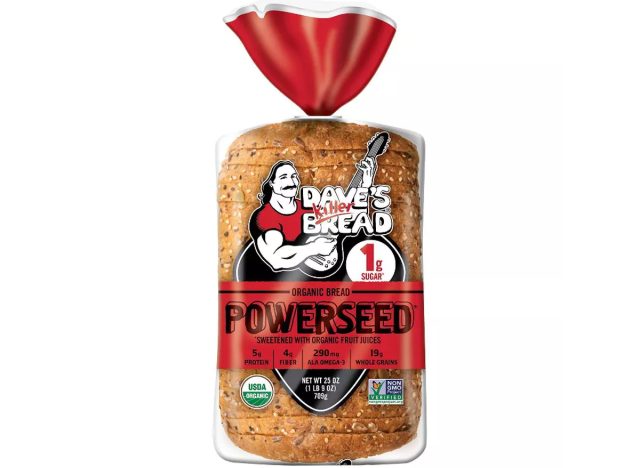
Calories: 100
Fat: 2.5 g (Saturated Fat: 0 g)
Sodium: 135 mg
Carbs: 18 g (Fiber: 4 g, Sugar: 1 g)
Protein: 5 g
This bread is a healthful buy due to the high fiber and protein counts, which will help to keep you satisfied. It’s made with organic whole wheat flour and a blend of six seeds and oats that adds to the texture and provides more essential nutrients, including plant-based omega-3s.
Mestemacher Whole Rye Bread
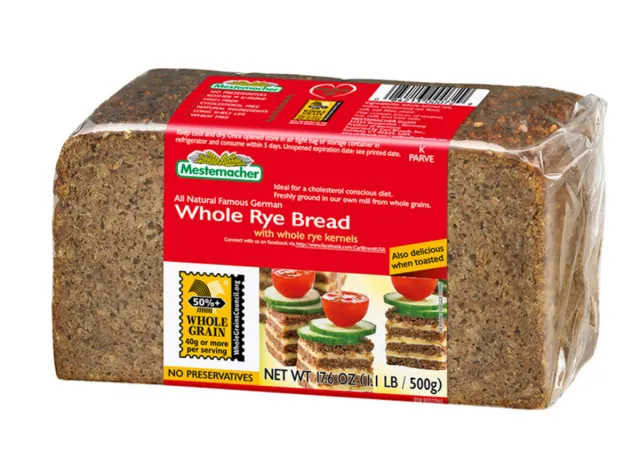
Calories: 180
Fat: 1 g (Saturated Fat: 0 g)
Sodium: 270 mg
Carbs: 40 g (Fiber: 8 g, Sugar: 0 g)
Protein: 4 g
This whole-grain bread is a wholesome, hearty loaf of German rye that’s made with whole-kernel rye, organic rye flour, salt, and yeast. The bread is dense so it’s higher in calories, but one slice has the significant density of two slices of most other whole grain breads.
Silver Hills The Big 16
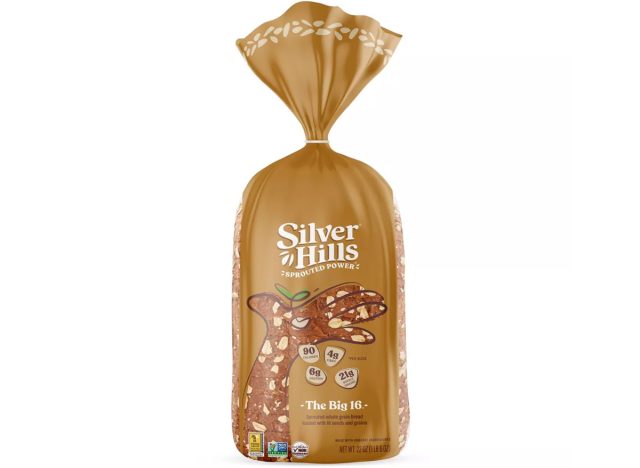
Calories: 95
Fat: 1 g (Saturated Fat: 0 g)
Sodium: 140 mg
Carbs: 16 g (Fiber: 4 g, Sugar: 1.5 g)
Protein: 6 g
The 16 stands for 16 different grains and seeds, which are the main ingredients in this healthy loaf. Some of the primary ingredients include whole grain wheat and oats, and it packs in millet, flaxseeds, quinoa, and more.
Due to the flaxseeds, this bread also delivers omega-3 fatty acids, which provide anti-inflammatory and heart health benefits. The bread is also certified organic.
RELATED: The 10 Unhealthiest Breads To Leave on Grocery Shelves
365 Organic Sprouted Wheat Honey & Oat
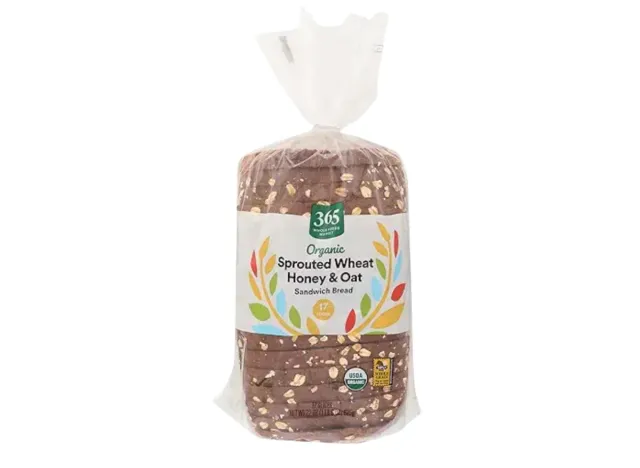
Calories: 90
Fat: 0.5 g (Saturated Fat: 0 g)
Sodium: 160 mg
Carbs: 18 g (Fiber: 3 g, Sugar: 3 g)
Protein: 5 g
This is a great option from Whole Foods’ 365 brand. The main ingredients include organic sprouted whole wheat, organic whole wheat flour, and organic whole grain rolled oats, among other wholesome ingredients.
Why Trust Eat This, Not That!?
Eat This, Not That! is committed to creating high-quality content that you can trust to be accurate, properly researched, routinely reviewed, and updated with the latest information. Our writers, editors, and medical and/or certified experts consider this to be an unwavering promise we make to our readers in the pursuit of delivering impactful and meaningful content.
The post 9 Healthiest Whole Grain Breads on Grocery Shelves appeared first on Eat This Not That.
]]>The post 20 Best High-Protein Costco Foods to Buy appeared first on Eat This Not That.
]]>As for how much protein you should eat daily, a good rule of thumb is to strive to get about 1 gram of protein per every pound of lean body mass. For example, if you weigh 130 pounds and your body fat is 25 percent, that means you have about 100 pounds of lean body mass. Your optimal protein intake would be 100 grams of protein per day. It’s also best to spread out protein evenly throughout the day, ideally with 20 to 30 grams at each main meal. Eating more than 40 grams of protein in one sitting is not beneficial, and those calories may be stored as body fat.
Costco has great, affordable protein finds in virtually every section of the grocery department. You can find plenty of the usual suspects like dairy, eggs, and meats, but a more thorough exploration of the aisles will reveal many other great high-protein foods—all at a major cost savings compared to ordinary grocery stores. Here are 20 of the best dietitian-recommended protein finds to score at Costco.
Dairy and Eggs
Kirkland Signature Organic Hard-Boiled Eggs
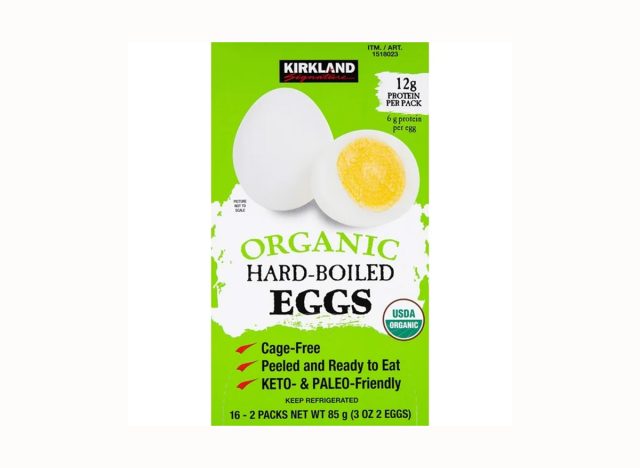
Calories: 68
Fat: 4 g (Saturated Fat: 1.5 g)
Sodium: 60 mg
Carbs: 0 g (Fiber: 0 g, Sugar: 0 g)
Protein: 6 g
Kirkland Signature is Cotsco’s house brand, and this convenience item is a bulk package of 16 two-pack servings of hard-boiled eggs. I love to take them to work or to the gym in the morning to ensure that I have high-quality protein post-workout. Eggs are the gold standard for high-quality protein as they provide all nine essential amino acids, not to mention more than 13 essential nutrients, including B vitamins, vitamin D, carotenoids, zinc, and selenium.
RELATED: 15 Best High-Protein Foods for Weight Loss
Kirkland Signature Egg Whites
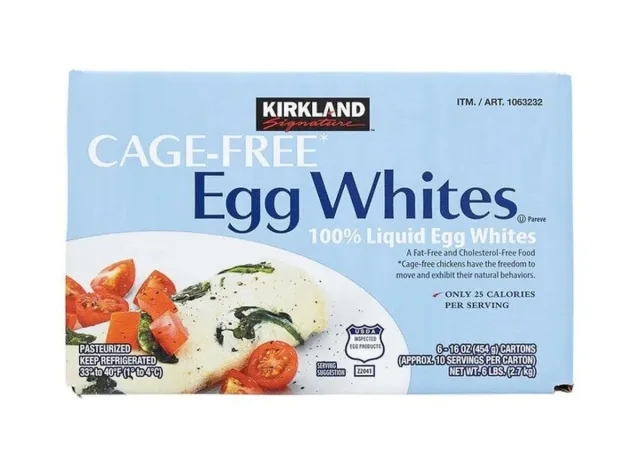
Calories: 25
Fat: 0 g (Saturated Fat: 0 g)
Sodium: 75 mg
Carbs: 0 g (Fiber: 0 g, Sugar: 0 g)
Protein: 5 g
This 100% liquid egg white product contains one ingredient: egg whites. A serving has just 25 calories and is fat-free, carb-free, and low in sodium. It provides 5 grams of high-quality egg protein. Need I say more?
Fairlife Chocolate Protein Shake
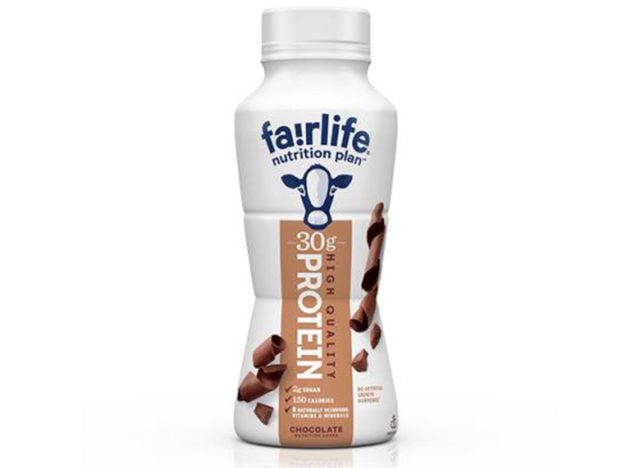
Calories: 150
Fat: 2.5 g (Saturated Fat: 1.5 g)
Sodium: 230 mg
Carbs: 4 g (Fiber: 1 g, Sugar: 2 g)
Protein: 30 g
This chocolate protein shake packs in 30 grams of protein from milk. It’s also low in total sugar and has just 2 grams (1/2 teaspoon) of natural sugars and no added sugar. The protein in Fairlife shakes comes from filtered cow’s milk. It’s also a great source of several other nutrients, including vitamin D, calcium, vitamin A, and zinc.
RELATED: Are Fairlife Protein Shakes Healthy? We Asked Dietitians
Fage Total 0% Milkfat Yogurt
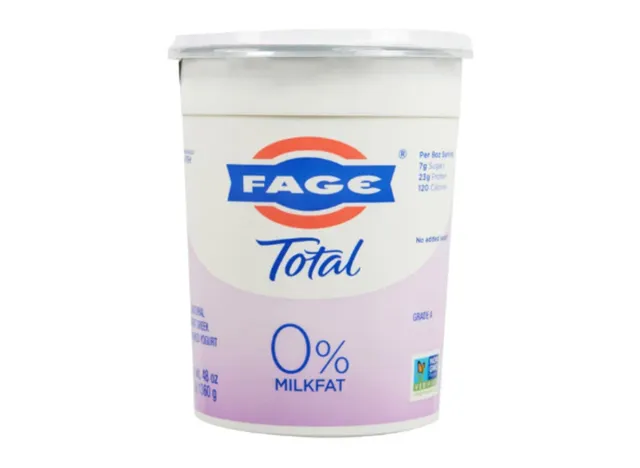
Calories: 120
Fat: 0 g (Saturated Fat: 0 g)
Sodium: 85 mg
Carbs: 7 g (Fiber: 0 g, Sugar: 7 g)
Protein: 23 g
This is 48 oz. container of strained Greek yogurt is a great option to use as an ingredient in recipes and to enjoy yogurt as part of your meals and snacks. A cup provides 23 grams of high-quality protein, which is similar to the protein you’d get from eating 3 ounces of chicken. It’s also low in fat and carbs and has no added sugar.
RELATED: The 6 Healthiest Greek Yogurts, According to Dietitians
Kirkland Signature Organic Plain Nonfat Yogurt
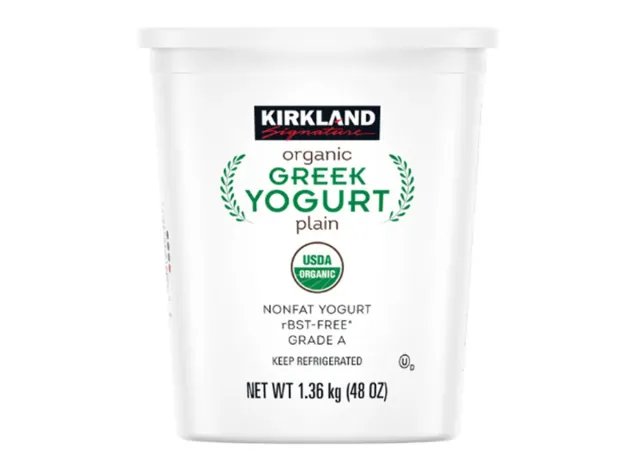
Calories: 100
Fat: 0 g (Saturated Fat: 0 g)
Sodium: 60 mg
Carbs: 7 g (Fiber: 0 g, Sugar: 3 g)
Protein: 18 g
Kirkland’s 48-oz. Organic Plain Nonfat Yogurt is similar to Fage’s—but it’s even more affordable since it’s Costco’s store brand. Other notable attributes include that it is Certified Organic, is a good source of calcium, and an excellent source of protein.
Meat, Poultry, and Seafood
Kirkland Signature Farm Raised Atlantic Salmon (Boneless + Skinless)
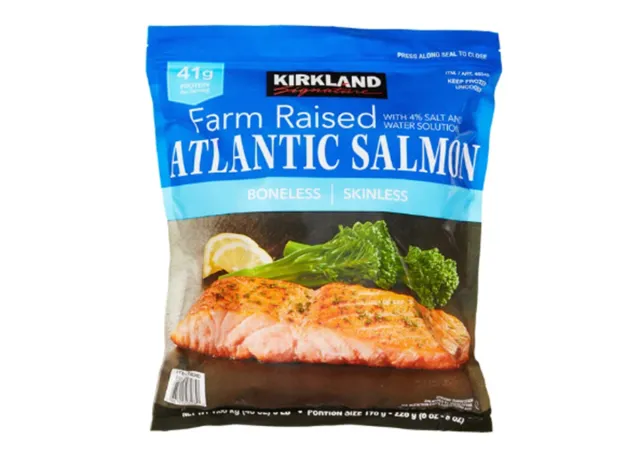
Calories: 400
Fat: 28 g (Saturated Fat: 4.5 g)
Sodium: 350 mg
Carbs: 0 g (Fiber: 0 g, Sugar: 0 g)
Protein: 35 g
Costco has so many options for more economical frozen fish and seafood, including salmon, cod, sea bass, shrimp, and tilapia. This Atlantic Salmon is a great option to get an ideal amount of protein in a main meal with a moderate number of calories.
RELATED: 11 Amazing Benefits of Eating More Fish
Kirkland Signature Farm Raised Tilapia Loins (Boneless + Skinless)
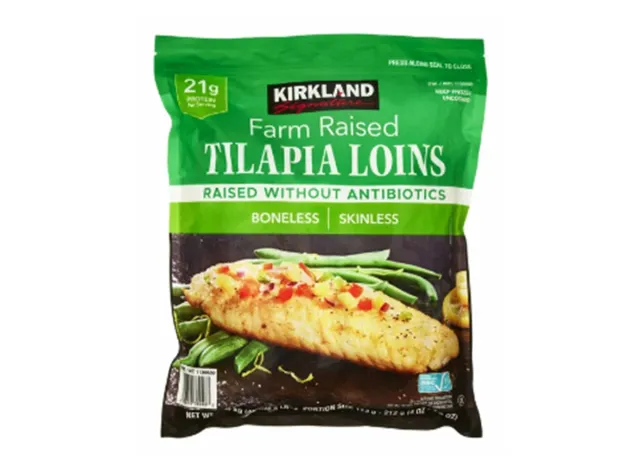
Calories: 110
Fat: 3 g (Saturated Fat: 1 g)
Sodium: 35 mg
Carbs: 0 g (Fiber: 0 g, Sugar: 0 g)
Protein: 21 g
Tilapia is an extremely lean seafood option that is rich in many other nutrients, including niacin, vitamin B12, selenium, and potassium. A serving of Kirkland’s Tilapia loins is just 110 calories and packs in 21 grams of protein. This is one of the best protein-to-calorie ratios of any food. However, it’s important to note that tilapia won’t provide the beneficial omega-3 fatty acids that are present in fatty fish like salmon, mackerel, and sardines.
Kirkland Sliced Oven Roasted Turkey Breast
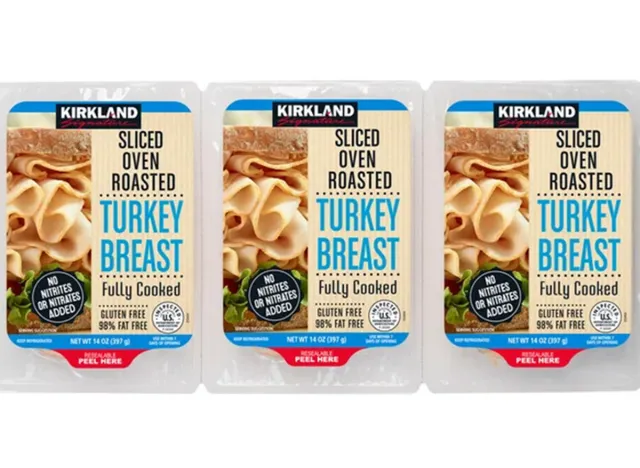
Calories: 60
Fat: 1g (Saturated Fat: 0 g)
Sodium: 460 mg
Carbs: 1 g (Fiber: 0 g, Sugar: 0 g)
Protein: 10 g
Turkey breast is one of the leanest animal proteins you can buy. This option from Costco’s house brand has just 60 calories but provides 10 grams of protein. It’s also extremely low in total fat and has no saturated fat.
RELATED: 12 Healthiest Deli Meats—and 9 To Avoid
Dietz & Watson Organic Roasted Turkey Breast
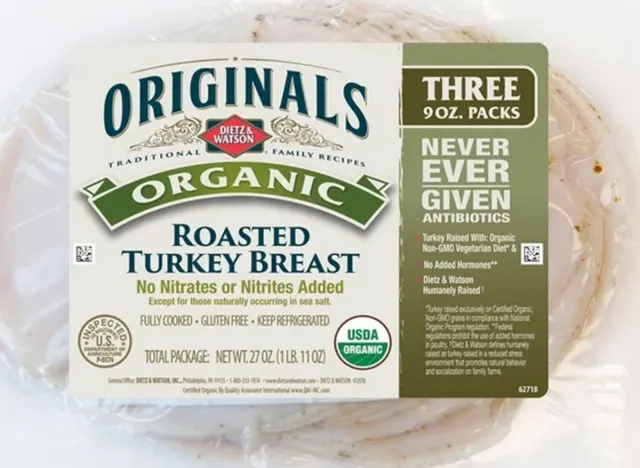
Calories: 60
Fat: 0.5 g (Saturated Fat: 0 g)
Sodium: 400 mg
Carbs: 1 g (Fiber: 0 g, Sugar: 0 g)
Protein: 12 g
For an organic version of turkey breast, this Dietz & Watson offering is a great choice. It’s certified USDA Organic and contains no nitrates or nitrites. It has a limited ingredient list, at least as processed deli meats go. Compared to the Kirkland turkey breast, it provides 2 grams more protein and less sodium. A win-win for your health.
Protein Snacks
Whisps Parmesan Cheese Crisps
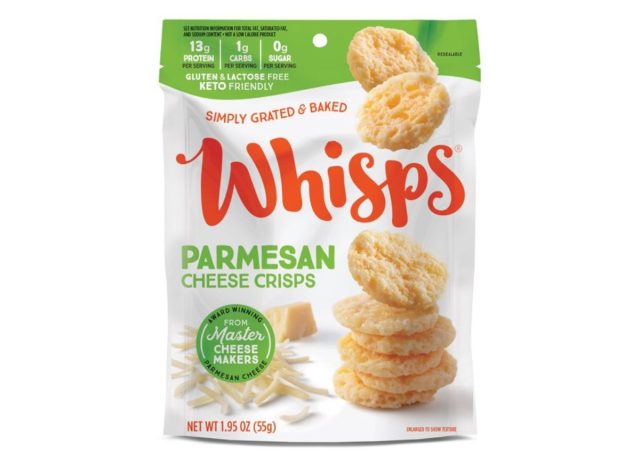
Calories: 150
Fat: 10 g (Saturated Fat: 7 g)
Sodium: 5 mg
Carbs: 1 g (Fiber: 0 g, Sugar: 0 g)
Protein: 13 g
Whisps are essentially parmesan cheese that is baked until it’s crispy to create a low-carb, protein-rich alternative to traditional chips and crackers. They’re also keto-friendly alternatives to traditional potato- or grain-based chips or crackers that tend to be high in carbs and low in protein.
RELATED: 10 Best High-Protein Chips, According to a Dietitian
Wonderful Pistachios No Shells Variety Pack
Calories: 120
Fat: 10 g (Saturated Fat: 1 g)
Sodium: 105 mg
Carbs: 6 g (Fiber: 2 g, Sugar: 0 g)
Protein: 5 g
This pistachio package contains 24 individual packages of different varieties of shelled pistachios—Roasted & Salted, Sea Salt & Vinegar, and Chili Roasted. Each individual package provides 5 grams of protein. (Calories, carbs, and sodium levels vary slightly by flavor.) Even though pistachios provide plant-based protein, it is considered a “complete” protein because it contains all nine essential amino acids, according to research. The combination of high-quality protein, fiber, and fats can work together to help keep you satisfied.
RELATED: The 6 Best High-Protein Nuts You Can Eat
Think! Creamy Peanut Butter Protein Bars
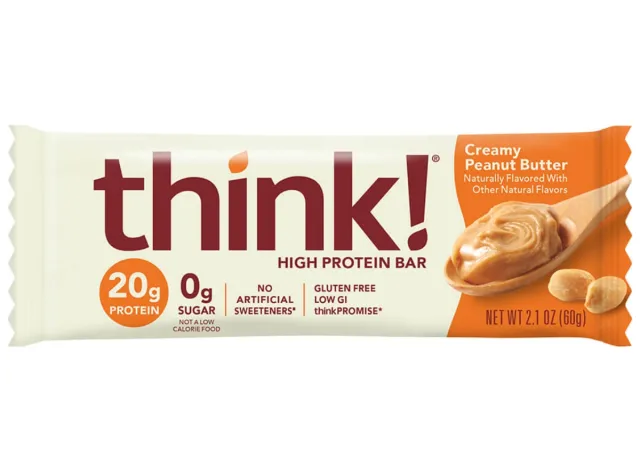
Calories: 230
Fat: 9 g (Saturated Fat: 3 g)
Sodium: 260 mg
Carbs: 22 g (Fiber: 1 g, Sugar: 0 g)
Protein: 20 g
This 18-bar variety pack includes two dreamy flavors: Creamy Peanut Butter and Brownie Crunch. The bars are almost equal nutritionally, each providing 20 grams of protein and 230 calories. The protein comes from soy protein isolate, calcium caseinate, and whey protein isolate. For a post-workout pick-me-up or a better option when on the go, these bars deliver a hefty dose of protein.
RELATED: The 10 Best Protein Bars, According to a Dietitian
Chomps Original Beef Sticks
Calories: 100
Fat: 7 g (Saturated Fat: 3 g)
Sodium: 380 mg
Carbs: 0 g (Fiber: 0 g, Sugar: 0 g)
Protein: 10 g
It’s usually impractical to have meat or poultry as a snack, but these meat sticks make it possible. This original version is made with grass-fed beef. Each stick has 100 calories and 10 grams of protein but zero grams of added sugar.
RELATED: 6 Healthiest Beef Jerky Brands—and 3 To Avoid
Simply Fuel Chocolate Coconut Peanut Butter Protein Balls
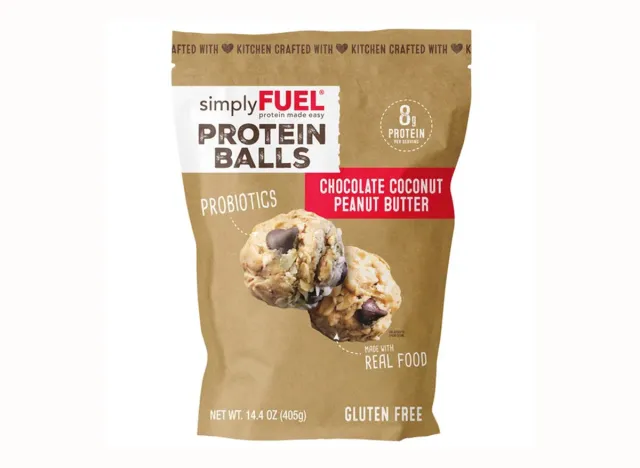
Calories: 200
Fat: 8 g (Saturated Fat: 2 g)
Sodium: 5 mg
Carbs: 25 g (Fiber: 3 g, Sugar: 10 g)
Protein: 8 g
This dietitian-created protein snack is great for adding high-quality protein to your diet, but they are also especially great for a post-workout snack. The protein comes from slow-releasing whey protein and as a bonus, each serving provides a billion probiotics, which are essential for a healthy gut.
RELATED: 30 Best High-Protein Snacks on Grocery Shelves
Kirkland Signature Chocolate Brownie Protein Bar
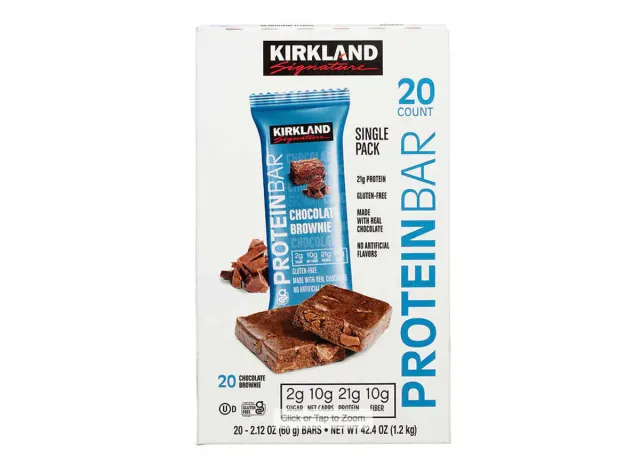
Calories: 190
Fat: 6 g (Saturated Fat: 2.5 g)
Sodium: 140 mg
Carbs: 22 g (Fiber: 10 g, Sugar: 1 g)
Protein: 21 g
This tasty protein bar is a between-meal snack, a post-workout recovery aid, or a great choice to pack when traveling. The protein comes from a blend of milk isolate and whey protein. The combo of protein and fiber in these bars will help keep you satisfied.
Pantry Staples
Kirkland Signature Creamy Almond Butter
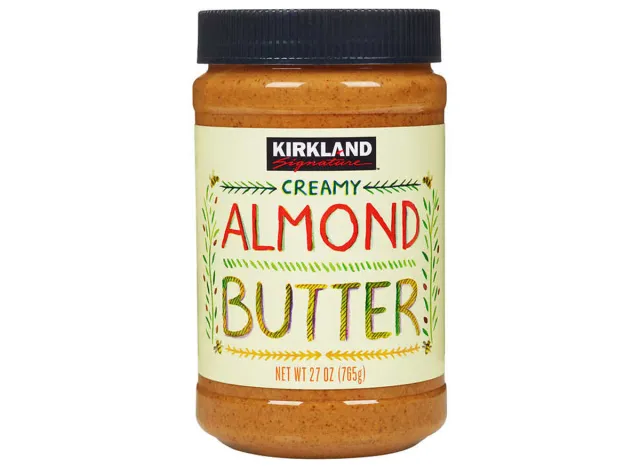
Calories: 210
Fat: 17 g (Saturated Fat: 1.5 g)
Sodium: 0 mg
Carbs: 7 g (Fiber: 2 g, Sugar: 1 g)
Protein: 6 g
Almond butter can be a pricey way to get more protein, but Costco makes this plant-based treat more affordable. This almond butter has just one ingredient: almonds (and zero added salt or sugars). Almond butter is low in overall carbs, packs in healthy unsaturated fat, and provides 6 grams of protein—the same as a medium-sized egg.
RELATED: The 12 Best & Worst Almond Butters, According to Dietitians
Kirkland Premium Chunk Chicken Breast
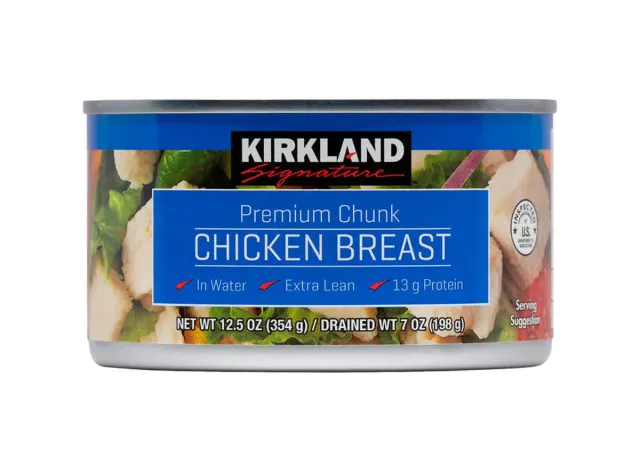
Calories: 60
Fat: 1 g (Saturated Fat: 0 g)
Sodium: 270 mg
Carbs: 0 g (Fiber: 0 g, Sugar: 0 g)
Protein: 13 g
This canned chicken breast product provides one of the best protein-to-calorie ratios out there. Plus, despite being a processed poultry option, the sodium content is lower than that of a similar serving of turkey or chicken breast deli meat. It doesn’t need to be refrigerated, so you can buy it in bulk without having to use it all up the same week.
RELATED: 10 Processed Foods That Are Actually Good for You
Health Warrior Grains & Seeds Variety Pack Oatmeal
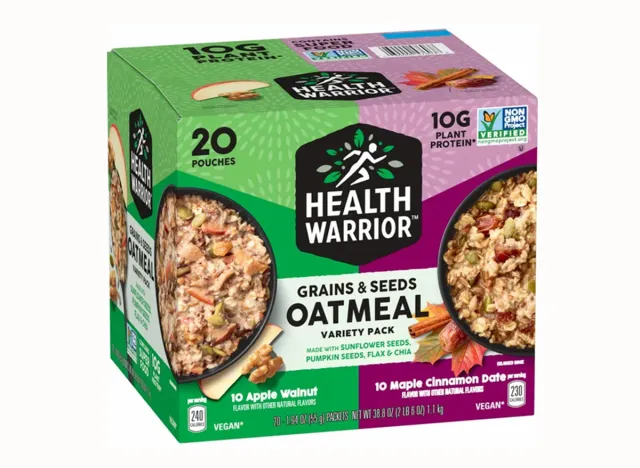
Calories: 230
Fat: 9 g (Saturated Fat: 1.5 g)
Sodium: 230 mg
Carbs: 30 g (Fiber: 6 g, Sugar: 9 g)
Protein: 10 g
This great breakfast or snack choice comes in a variety pack with 20 individual packets (10 packets of Maple Cinnamon Date and 10 Apple Walnut flavor). This hearty oatmeal is made with whole-grain oats, sunflower and pumpkin seeds, and other natural ingredients. Due to the addition of seeds, this oatmeal has more than twice the healthful plant-based protein compared to a traditional oatmeal.
RELATED: 8 Healthiest Oatmeal Brands—and 4 To Avoid
S&W Organic Garbanzo Beans
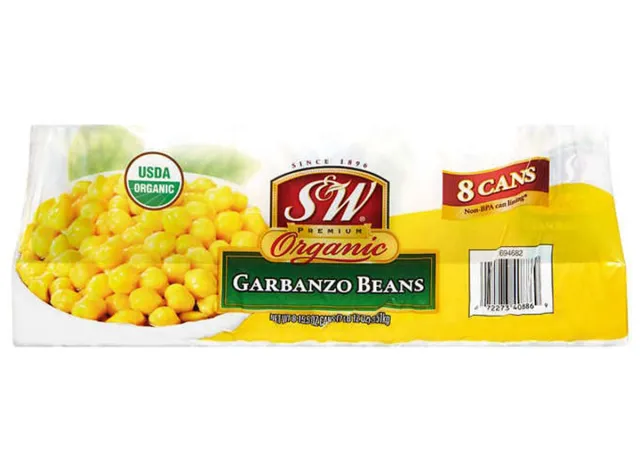
Calories: 120
Fat: 2 g (Saturated Fat: 0 g)
Sodium: 85 mg
Carbs: 20 g (Fiber: 6 g, Sugar: 1 g)
Protein: 6 g
Garbanzo beans (aka chickpeas) are the MVP of anyone’s pantry. It’s one of the most versatile and healthy plant-based proteins you can buy. Buying garbanzos in bulk from Costco can help ensure that you have this affordable protein to add to salads, soup, or to make fresh hummus. Try seasoning and roasting them until crunchy for a satisfying snack. The high fiber and protein counts of garbanzo beans can keep you satisfied for longer.
Kirkland Signature Albacore Solid White Tuna in Water
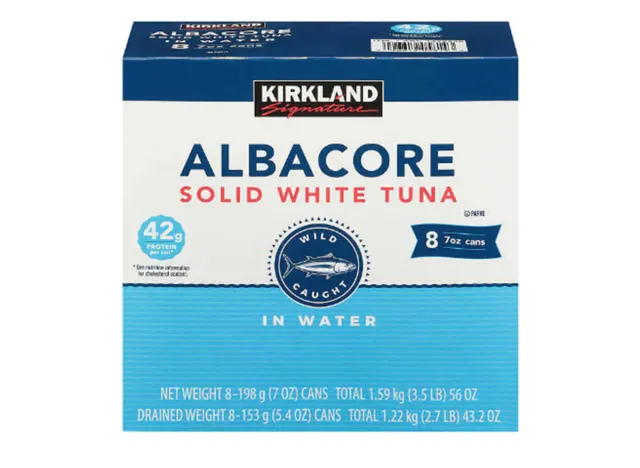
Calories: 190
Fat: 3 g (Saturated Fat: 0.5 g)
Sodium: 85 mg
Carbs: 0 g (Fiber: 0 g, Sugar: 0 g)
Protein: 42 g
This package contains eight 7-oz. cans of tuna. Tuna packed in water is one of the best ways to enjoy affordable, high-quality protein with moderate calories and minimal saturated fat. Tuna is also a great choice because it provides beneficial omega-3 fatty acids and vitamin B12, and studies confirm that tuna is a heart-healthy choice.
Why Trust Eat This, Not That!?
Eat This, Not That! is committed to creating high-quality content that you can trust to be accurate, properly researched, routinely reviewed, and updated with the latest information. Our writers, editors, and medical and/or certified experts consider this to be an unwavering promise we make to our readers in the pursuit of delivering impactful and meaningful content.
The post 20 Best High-Protein Costco Foods to Buy appeared first on Eat This Not That.
]]>The post What Happens to Your Body When You Eat Greek Yogurt appeared first on Eat This Not That.
]]>This versatile ingredient is packed with probiotics, calcium, potassium, and other essential nutrients, making it a healthy choice for high-protein snacks or as part of your main meals. What’s more, it’s versatile and can be incorporated into many of your favorite savory or sweet recipes.
In this article, we’ll explore its nutrition facts, health benefits, and potential drawbacks, answering the question: “Is Greek yogurt good for you?” Read on to learn more, and for the top options to try, check out The 6 Healthiest Greek Yogurts, According to Dietitians.
Greek Yogurt Nutrition Facts
According to the USDA, here are the nutrition facts for a 2/3 cup (about 5.5 ounces) of plain, nonfat Greek yogurt:
Fat: .6 g (Saturated Fat: 0)
Sodium: 56 mg
Carbs: 5.7 g (Fiber: 0 g, Sugar: 5 g)
Protein: 16 g
Greek yogurt is a nutritional powerhouse among dairy-based foods and beverages. Because the process of making Greek yogurt removes the watery whey protein, the result is a denser yogurt that provides more protein per serving. For example, nonfat plain Greek yogurt is low in calories, total fat, and saturated fat, yet delivers as much protein as 2.5 eggs per serving.
However, the fat and calorie content will increase if you opt for low-fat or full-fat varieties or choose flavored options with added sugars. In addition to its high protein content, Greek yogurt is an excellent source of calcium and provides essential nutrients like magnesium, potassium, zinc, selenium, and B vitamins.
Benefits of Greek Yogurt
It’s Packed with High-Quality Protein
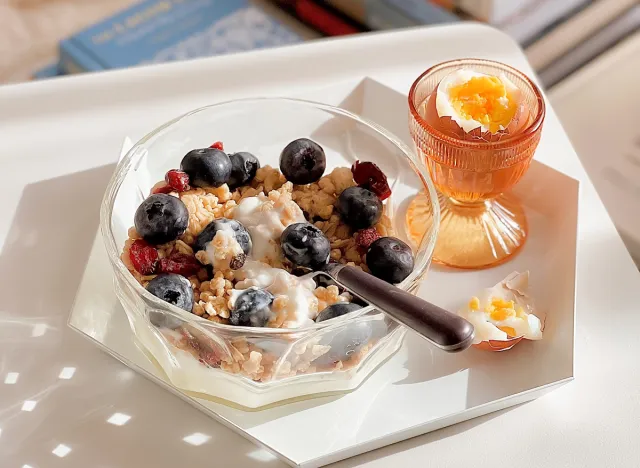
Greek yogurt is high in casein protein, which can help build muscle and can help you feel fuller for longer to aid with weight loss. For the most protein per calorie, choose nonfat, plain Greek yogurt in lieu of low-fat or full fat or flavored yogurt. Most servings of nonfat, plain Greek yogurt will provide 16-20 grams of protein per 2/3 cup serving.
RELATED: 10 Best High-Protein Yogurts, According to a Dietitian
It May Help Boost Your Muscle Mass

If you’re active, you know that having high-quality protein post-exercise can help your muscles recover more quickly and get stronger to enhance your strength. One study published in Frontiers in Nutrition reported that when nonfat, plain Greek Yogurt was eaten three times a day (total of 60 grams of additional protein from Greek yogurt) on resistance training days, the study participants had improved strength, muscle thickness and body composition compared to when the subjects were provided an equal calorie, carbohydrate-based placebo. The study suggests that incorporating Greek yogurt into your diet after you exercise is a good strategy to help you realize your fitness goals.
It May Have Anti-Cancer Properties
Casein protein in dairy products can exert a wide range of positive effects on the body, such as boosting the immune system, reducing inflammation and protecting against harmful bacteria, viruses, and yeasts, and supporting the growth and proper functioning of the digestive system. According to research published in Medical Oncology, laboratory studies are investigating the role that casein protein may have on inhibiting the growth of leukemia cells, breast, and ovary cancer cells. While more research is needed, this potential benefit of enjoying nutritious Greek yogurt is another reason to add Greek yogurt to your shopping list.
It Provides Beneficial Probiotics
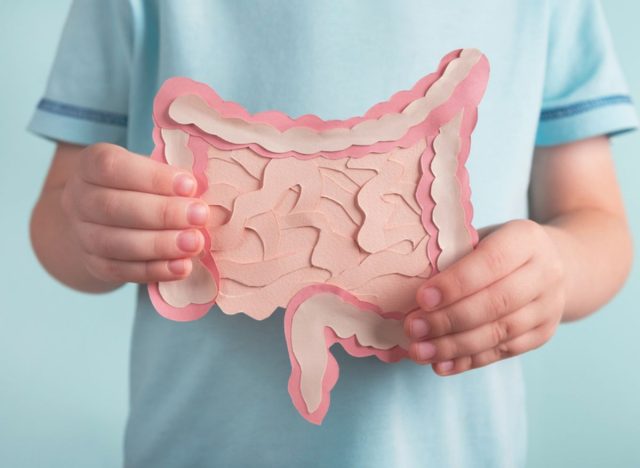
Greek yogurt provides a variety of lactic acid bacterium. If you look at the label of your Greek yogurt container, it will state that it contains live cultures or active cultures. Some of the most common lactic acid bacteria used in Greek yogurt include Lactobacillus acidophilus. Lactobacillus casei, Lactobacillus gasseri, Lactobacillus johnsonii and Bifidus.. The beneficial bacteria in Greek yogurt can help improve the balance of the healthy bacteria in your GI tract.
Research shows that a more “balanced” gut microbiome can help improve your immune health, aids digestion and metabolism, and may reduce risk for chronic diseases, according to research published in the journal Cells.
It May Help You Lose Weight

The casein protein in yogurt is slow to digest, which helps to keep your blood sugar levels stable and it also helps you feel fuller longer. Studies have shown that after eating yogurt, there is an increase in hunger-quashing hormones, glucagon-like peptide and peptide YY. The available relevant literature suggests that yogurt can help control your appetite to help you more easily lose weight and keep it off. The available relevant literature suggests that yogurt can help control your appetite to help you more easily lose weight—and keep it off.
It’s Good for Your Bones
A serving (about 2/3 cup) of Greek yogurt provides about 175 milligrams of bone-building calcium, making it one of the better sources of calcium of all foods. The calcium in dairy foods is also very absorbable, as opposed to calcium that is present in non-dairy foods like kale or nuts. According to research published in Archives of Osteoporosis, a study with more than 3,200 subjects found that older adults who reported eating milk and yogurt were associated with better bone mineral density and yogurt only showed a slight protection against hip fractures. Enjoying Greek yogurt is a great way to help enhance the resiliency of your bone health as you age.
It May Help Lower Risk for Diabetes
Recent studies are building the case that Greek yogurt may help reduce your risk for type 2 diabetes. While the exact mechanisms of action are not completely fleshed out, evidence suggests that yogurt is involved in the control of body weight and energy homeostasis and may play a role in reducing the risk for type 2 diabetes. The impact of some of the specific nutrients in Greek yogurt, like protein and calcium, and lactic acid bacteria’s impact on gut bacteria are known to help stabilize blood sugar, according to a review article on the subject in the Journal of the American College of Nutrition. When enjoying yogurt, be sure to avoid the sweetened varieties or choose zero-sugar options of Greek yogurt to obtain the blood sugar control benefits of Greek yogurt.
Potential Drawbacks of Eating Greek Yogurt
It Can Be Sugar-Rich
One of the major drawbacks with Greek yogurt (and traditional yogurt) is that some of the flavored options can be high in sugar. For example, a flavored Greek yogurt often has more than 20 grams of sugar, 15 grams (3.75 teaspoons) of which are from added sugars. The good news is that there are oodles of options in supermarkets for flavored Greek yogurts that are either low or no sugar added. For example, one of the options that I often purchase is the Chobani Low Sugar and Zero Sugar options. Most of the other national brands also have low and no added sugar options, so be sure to check out the Nutrition Facts to see how much sugar it contains.
RELATED: 6 Unhealthiest Greek Yogurts, According to Dietitians
Final Thoughts: Is Greek Yogurt Good for You?
When you choose the right Greek yogurt, it can be an excellent food to incorporate into your meals and snacks. It is very dependent upon the type and flavor that you purchase. If you partner Greek yogurt with sugary treats, like granola, then it’s not the best choice. I also recommend to most of my clients that they choose nonfat and low fat plain Greek yogurt as much as possible. Some of the brands that fit the bill include options from Chobani, The Greek Gods, Fage, Stonyfield, Oikos and Two Good.
RELATED: 13 Healthiest Granola Brands, According to Dietitians
The post What Happens to Your Body When You Eat Greek Yogurt appeared first on Eat This Not That.
]]>The post 8 Healthiest Cheeses You Can Eat, According to a Dietitian appeared first on Eat This Not That.
]]>While many consider cheese a healthy dairy food, some advise against it due to its saturated fat and sodium content. With over 1,500 varieties of cheese, nutritional content can vary significantly. Here’s a closer look at the health benefits of cheese and eight of the healthiest varieties to consider adding to your diet.
Is Cheese Healthy?
Yes, cheese is a nutrient-dense dairy food that can be a valuable part of a healthful diet. Cheese provides high-quality protein, calcium, potassium, magnesium, and B vitamins. Some varieties, particularly those aged but not pasteurized afterward, also contain beneficial probiotics that support digestive and overall health. Common probiotic-rich cheeses include Swiss, Provolone, Gouda, Cheddar, Edam, and cottage cheese, as noted by the Harvard School of Public Health.
However, moderation is key. While cheese has many health benefits, full-fat varieties can be high in saturated fat. The American Heart Association recommends keeping saturated fat to no more than 6% of daily calories—about 13.5 grams for a 2,000-calorie diet. An ounce of Cheddar cheese, for example, contains around 6 grams of saturated fat, so limiting daily intake to about one ounce may be best.
RELATED: Here’s What Happens to Your Body If You Eat Cheese Every Day
How Much Cheese Should You Eat Per Day?
While there are no strict rules for cheese consumption, a serving a day is a good rule of thumb. A serving typically equals ¼ cup of shredded cheese, one ounce of hard cheese, or ½ cup of cottage cheese. Since cheese can contribute to your daily saturated fat intake, it’s best to balance it with lean proteins and other foods low in saturated fat. When available, choose lower-fat versions of your favorite cheeses to help keep saturated fat levels within recommended limits.
RELATED: 5 Healthiest Cheeses You Can Eat With High Cholesterol
The Healthy Cheese Varieties To Add To Your Diet
- Mozzarella (Part-skim)
- Low-fat (2%) Cottage Cheese
- Feta
- Swiss Cheese
- Parmesan
- Goat
- Ricotta (Part-Skim)
- Aged Cheddar
Here are eight healthiest cheeses to add to your shopping list.
Mozzarella (Part-skim)

Calories: 83
Fat: 5.7 g (Saturated Fat: 3.3 g)
Sodium: 196 mg
Carbs: 1.2 g (Fiber: 0 g, Sugar: 0 g)
Protein: 6.6 g
Nearly half of mozzarella‘s weight is water, which helps to make it a best-bet option. Having so much water means that mozzarella has fewer calories, saturated fat, and sodium compared to many other “denser” varieties of cheese. Enjoy as part of your favorite Italian dishes or keep single-serve Mozzarella sticks on hand for a protein-packed snack.
RELATED: 23 Best High-Protein Cheeses You Can Eat
Low-fat (2%) Cottage Cheese
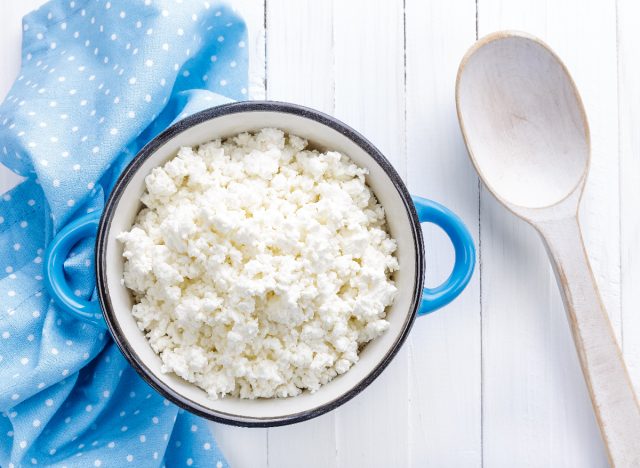
Calories: 90
Fat: 2 g (Saturated Fat: 1.3 g)
Sodium: 353 mg
Carbs: 4.5 g (Fiber: 0 g, Sugar: 0 g)
Protein: 12 g
Cottage cheese is one of the highest-protein, lowest-fat cheese varieties, making it a popular so-called “diet” food. It is made by fermenting milk and removing the watery whey, leaving primarily the slow-to-digest casein protein. Since cottage cheese isn’t aged, it has a mild flavor and offers great versatility compared to more flavor-packed aged cheese. In addition to being calcium-rich cottage cheese provides leucine, an essential amino acid for building and retaining muscle mass. Enjoy cottage cheese as a high-protein replacement for ricotta cheese in Italian dishes or blend it into smoothies, pancakes or waffles, or on top of your salads.
RELATED: 7 Healthiest Cottage Cheese Brands—and 4 To Skip
Feta
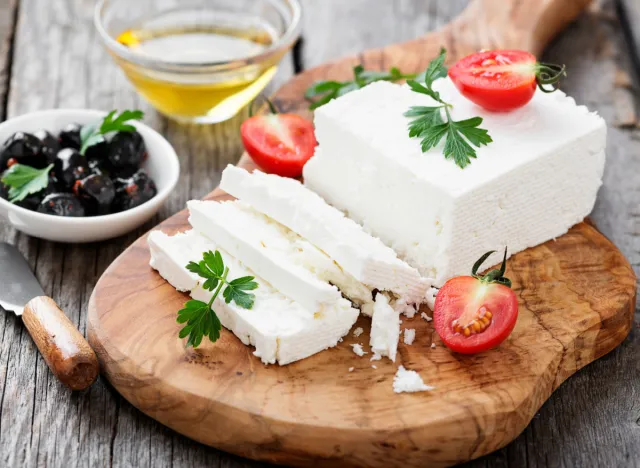
Calories: 76
Fat: 5.3 g (Saturated Fat: 3 g)
Sodium: 288 mg
Carbs: 1.6 g (Fiber: 0 g, Sugar: 0 g)
Protein: 5.5 g
Feta is a salty cheese made usually from sheep or goat’s milk. It is packaged in brine, which makes is saltier than most other types of cheese. It makes our list of the top eight healthy cheese varieties for your health because it is lower in calories and saturated fat than most. It also packs a flavorful punch, so a little feta can add a lot of flavor to your foods. Enjoy feta crumbled in salads, blended with scrambled eggs, or sprinkled on roasted veggies to add a flavorful punch.
Swiss Cheese
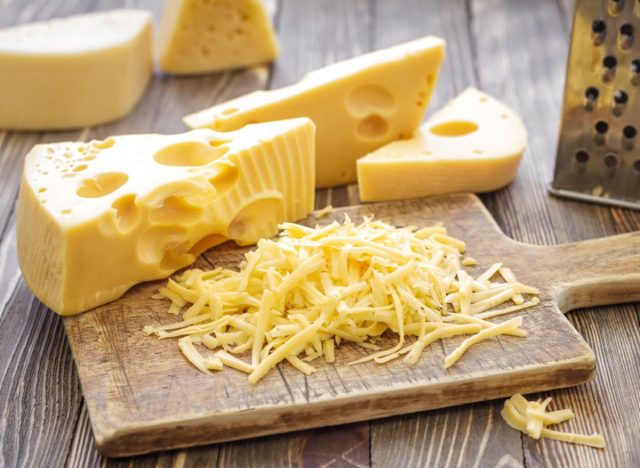
Calories: 76
Fat: 5.3 g (Saturated Fat: 3 g)
Sodium: 288 mg
Carbs: 1.6 g (Fiber: 0 g, Sugar: 0 g)
Protein: 5.5 g
High in protein, Swiss cheese is one of the healthiest cheeses because it contains more vitamin B12 than other cheeses, and it is one of the few cheeses with vitamin A, which is a nutrient important for your immune system and eyes. Interestingly, the holes in Swiss cheese are formed by carbon dioxide during the aging process and the larger the holes in the cheese, the stronger the flavor. Swiss cheese is a great flavor enhancer in salads, as a topper on chili or on top of a lean turkey burger.
Parmesan (Grated)
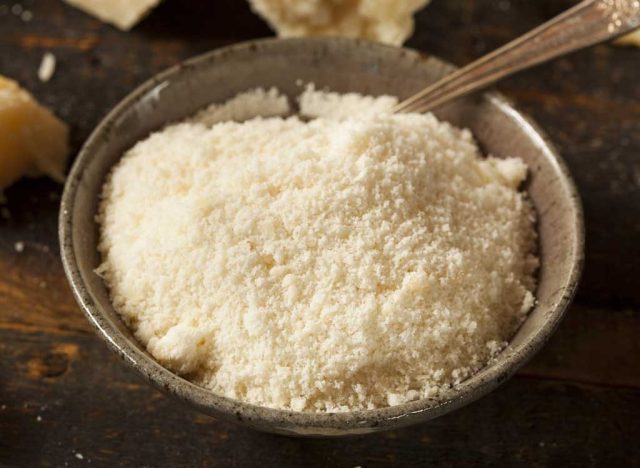
Calories: 117
Fat: 5.3 g (Saturated Fat: 4.3 g)
Sodium: 490 mg
Carbs: 3.4 g (Fiber: 0 g, Sugar: 0 g)
Protein: 8.2 g
This classic Italian hard cheese is usually enjoyed in pasta and other Italian dishes. It is higher in sodium than many other cheeses, but due to its high protein and moderate saturated fat, it makes our best bet list. For individuals who are lactose intolerant, Parmesan is lower in lactose than most other cheeses, so it may be an option in small amounts for those who are sensitive to lactose. Enjoy Parmesan sprinkled on roasted veggies, soups and stews or add it to your pasta dishes. Use freshly grated Parmigiano Reggiano instead of the more processed Parmesan cheese that comes in the tubs.
Goat

Calories: 103
Fat: 8.4 g (Saturated Fat: 5.8 g)
Sodium: 118 mg
Carbs: 0 g (Fiber: 0 g, Sugar: 0 g)
Protein: 6.1 g
Goat cheese, aka chevre, has six grams protein and essential nutrients like calcium and vitamin A. It also provides probiotics to promote GI health. Compared to cow’s milk cheese, goat cheese has lower lactose levels, making it gentler on the digestive system and a great choice for those with lactose sensitivities. Enjoy goat cheese crumbled on salads, spread on whole-grain toast, or melted into savory pasta dishes for a creamy, tangy boost of flavor and nutrition.
Ricotta (Part-Skim)

Calories: 164
Fat: 2.2 g (Saturated Fat: 1.4 g)
Sodium: 28 mg
Carbs: 1.4 g (Fiber: 0 g, Sugar: 0 g)
Protein: 3.2 g
Ricotta contains a lot of water, which helps keep its calories, fat and sodium lower than many other cheeses. It has more whey protein, the quick-to-digest dairy protein, rather than casein. It is a good source of calcium, vitamin A, B-vitamins and potassium. Mild in flavor, ricotta works well with sweet or savory foods. Spread it on whole grain toast with fresh berries, as a sandwich spread or with your favorite pasta dishes.
Aged Cheddar
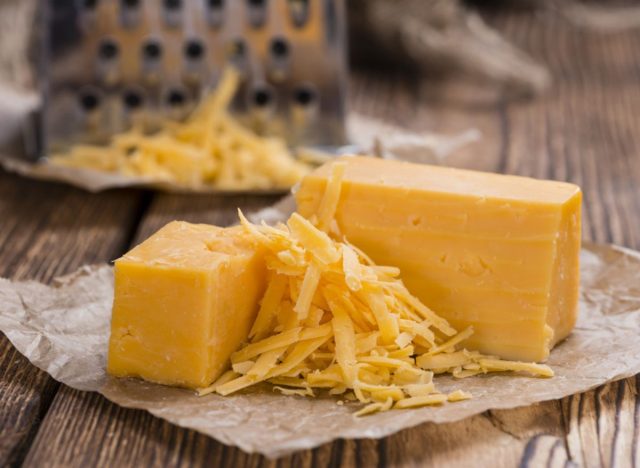
Calories: 115
Fat: 9.5 g (Saturated Fat: 5.4 g)
Sodium: 180 mg
Carbs: 0 g (Fiber: 0 g, Sugar: 0 g)
Protein: 6.8 g
Sharp or aged cheddar has lower lactose and can be easier on digestion. During the aging process, lactose levels decrease, making aged cheddar easier to digest for those with lactose sensitivity. Additionally, aged cheddar is rich in vitamin K2, an essential vitamin for bone density. It also contains beneficial probiotics, which support GI health and your overall immune system. Enjoy cheddar cheese shredded in your salads, on top of soups and stews or in whole grain salads, or partner with sliced apples or pears.
RELATED: 10 Best & Worst Cheddar Cheeses, According to a Dietitian
The post 8 Healthiest Cheeses You Can Eat, According to a Dietitian appeared first on Eat This Not That.
]]>The post The Healthiest In-N-Out Burger Orders—and What To Skip appeared first on Eat This Not That.
]]>Despite its remarkable growth, In-N-Out’s small menu has barely changed in 76 years. This commitment to simplicity is central to the brand’s ethos which emphasizes high-quality, fresh ingredients and “handmade” burgers—a dedication that has earned praise from award-winning chefs. Along with its craveable flavors, In-N-Out’s popularity is driven by affordable prices, made possible by a streamlined menu, company-owned locations, and wholesale ingredient sourcing.
While everyone knows In-N-Out for its mouthwatering burgers, let’s take a closer look at what’s going on between the bun from a nutritional perspective.
Is In-N-Out Healthy?
Compared to other popular burger chains like Burger King or McDonald’s, In-N-Out can be a healthier fast-food option, but it ultimately depends on how you order.
In-N-Out’s commitment to using fresh ingredients—like 100% pure beef and hand-cut fries—gives it an edge in terms of food quality. Because it offers customizations like Protein Style burgers, which replace the bun with lettuce, and simple condiments such as ketchup and mustard, there are plenty of ways you can make your meal at In-N-Out lower in calories and fat than many offerings from other chains.
However, when it comes to sodium and saturated fat, In-N-Out’s menu isn’t necessarily better across the board. Certain menu items like the Quad-Quad or Animal Style burgers can be just as indulgent as a Big Mac or Whopper.
So, while In-N-Out has healthier options, it’s all about how you customize your order to make it a better choice compared to other fast-food burgers.
How To Order Healthy In-N-Out Menu Items
Since the menu is basic, it’s quite easy to order better options at the chain. Here are three tips for how to order the healthiest choices when at the chain.
- Opt for Protein Style, where the bun is replaced with lettuce.
- Skip the Animal Style options, which means it has mustard in each patty plus pickles, grilled onion, and extra special sauce. More extra special sauce adds too much low-calorie
- Skip the special spread and ask for just ketchup and mustard to shave calories and fat. The special sauce is estimated to contain 80 calories and 9g fat.
- Avoid the not-so-secret menu. The options on this menu tend to be higher in calories, sat fat, sodium and added sugar.
The Healthiest In-N-Out Orders
- Protein Style Cheeseburger
- Protein Style Hamburger with Ketchup and Mustard (No Spread)
- Hamburger with Ketchup and Mustard (No Spread)
- Double-Double Protein Style with Ketchup and Mustard (No Spread)
- French Fries
- Vanilla Shake
Protein Style Cheeseburger

Calories: 270
Fat: 19 g (Saturated Fat: 8 g)
Sodium: 800 mg
Carbs: 10 g (Fiber: 2 g, Sugar: 6 g)
Protein: 16 g
This core menu item is the regular cheeseburger (1 all-beef patty and 1 slice American Cheese) wrapped in lettuce rather than on a bun. This option makes our best bet due to its modest calories, and better saturated fat and sodium counts compared to other burger choices on the menu.
Protein Style Hamburger with Ketchup and Mustard (No Spread)

Calories: 200
Fat: 14 g (Saturated Fat: 4.5 g)
Sodium: 390 mg
Carbs: 8 g (Fiber: 2 g, Sugar: 5 g)
Protein: 12 g
This is the best option if you’re managing your calories and want to eat a fast-food burger. Even ordering two protein style burgers would be better than many of the other menu items at In-N-Out.
Hamburger with Ketchup and Mustard (No Spread)
Calories: 300
Fat: 9 g (Saturated Fat: 3.5 g)
Sodium: 610 mg
Carbs: 37 g (Fiber: 2 g, Sugar: 8 g)
Protein: 16 g
This menu item is a great option because it has a modest number of calories, is relatively low in saturated fat and provides 16 grams fiber. The sodium is high but is lower than many other main items on the menu.
Double-Double Protein Style with Ketchup and Mustard (No Spread)

Calories: 450
Fat: 32 g (Saturated Fat: 15 g)
Sodium: 1380 mg
Carbs: 12 g (Fiber: 2 g, Sugar: 6 g)
Protein: 30 g
This burger has two patties, two slices of cheese, and lettuce in place of a bun. The sodium is high, but the calories, carbs, and protein are all appropriate amounts.
French Fries
Calories: 360
Fat: 15 g (Saturated Fat: 1.5 g)
Sodium: 150 mg
Carbs: 49 g (Fiber: 6 g, Sugar: 0 g)
Protein: 6 g
The French fries on In-N-Out’s menu are better than those from many other chains. They use 100% sunflower oil, which is a highly unsaturated fat. This helps keep the saturated fat content of their fries lower than the fries at other national chains.
Vanilla Shake
Calories: 590
Fat: 31 g (Saturated Fat: 20 g)
Sodium: 360 mg
Carbs: 66 g (Fiber: 0 g, Sugar: 55 g)
Protein: 16 g
Even though this shake is the “healthiest” milkshake option, it’s not a recommended menu item. However, if you are going to order a shake, vanilla is marginally better than either the chocolate or strawberry options. The best bets for beverages on the menu include unsweetened tea, water, or a diet soda.
The Unhealthiest In-N-Out Orders
- 4×4 (‘Quad Quad’) Animal-Style
- Double-Double with Spread
- 3×3 (‘Triple Triple’) with Spread
- Cheeseburger with Spread
- Animal Style Fries
- Chocolate Shake
- Strawberry Shake
Worst: 4×4 (‘Quad Quad’) Animal-Style
Calories: 1,100
Fat: 69 g (Saturated Fat: 34 g)
Sodium: 2300 mg
Carbs: 41 g (Fiber: 3 g, Sugar: 9 g)
Protein: 70 g
(Nutritional information is estimated from online sources.)
Also called the Quad Quad, this not-so-secret menu option is as its name suggests: four all-beef patties, four slices of American cheese, and all the standard condiments on a fresh-baked bun. Think of it as a double Double-Double. While the nutritionals are not readily available from In-N-Out, our best estimates show how horrific this option is for your health. It packs in more than half the calories you need in a day, more than a day’s worth of saturated fat, all the sodium you should have in a day, and an excessive amount of protein that can be harmful to your kidneys.
RELATED: The #1 Unhealthiest Burger at Every Major Fast-Food Chain
Worst: Double-Double with Spread
Calories: 610
Fat: 34 g (Saturated Fat: 15 g)
Sodium: 1660 mg
Carbs: 41 g (Fiber: 2 g, Sugar: 6 g)
Protein: 34 g
This burger is a mainstay on the regular In-N-Out menu and it’s one to avoid. It packs in excessive saturated fat and sodium. The saturated fat is the same as you’d get from eating 3 tablespoons of butter and the sodium would be equal to what you’d get from two servings of canned soup!
Worst: 3×3 (‘Triple Triple’) with Spread

Calories: 860
Fat: 55 g (Saturated Fat: 26 g)
Sodium: 1880 mg
Carbs: 39 g (Fiber: 3 g, Sugar: 10 g)
Protein: 52 g
(Nutritional information is estimated from online sources.)
This is an option on the not-so-secret menu that includes three beef patties and three slices of American cheese on a bun with all the standard condiments. This heart-stopping burger has about 1.5 times the saturated fat you need in a day, half most adult’s daily calories, and nearly all the sodium you should have in a day.
Worst: Cheeseburger with Spread
Calories: 430
Fat: 21 g (Saturated Fat: 8 g)
Sodium: 1070 mg
Carbs: 39 g (Fiber: 2 g, Sugar: 8 g)
Protein: 20 g
This burger is considered the best of the worst. It has moderate calories and saturated fat but sodium is quite high. Tweak this choice by skipping the spread and have ketchup and mustard and you’ll shave some calories and sodium. For a bigger transformation, order a protein-style cheeseburger.
RELATED: How Many Calories Are In A Cheeseburger?
Worst: Animal Style Fries
Calories: 750
Fat: 42 g (Saturated Fat: 17 g)
Sodium: 1,105 mg
Carbs: 54 g (Fiber: 2 g, Sugar: 0 g)
Protein: 19 g
This not-so-secret option is a larger order of fries topped with melted cheese, In-N-Out spread and grilled onions. It exceeds the calories, fat, saturated fat, sodium, and carbs that you’d want to have in an entire meal.
Worst: Chocolate Shake
Calories: 610
Fat: 30 g (Saturated Fat: 19 g)
Sodium: 370 mg
Carbs: 74 g (Fiber: 0 g, Sugar: 61 g)
Protein: 16 g
This is by far one of the worst In-N-Out menu items, based on calories, saturated fat, and added sugar. This shake packs in just over 15 teaspoons of added sugar and nearly a day’s worth of artery-clogging saturated fat.
RELATED: The 9 Worst Fast-Food Milkshakes of All Time, Says Dietitian
Worst: Strawberry Shake

Calories: 610
Fat: 30 g (Saturated Fat: 19 g)
Sodium: 350 mg
Carbs: 74 g (Fiber: 0 g, Sugar: 63 g)
Protein: 15 g
Like the chocolate shake, the strawberry shake has all the same nutritional flaws: excessive calories, saturated fat, sodium, and added sugar. The vanilla shake is only modestly better than the strawberry or chocolate flavors.
The post The Healthiest In-N-Out Burger Orders—and What To Skip appeared first on Eat This Not That.
]]>